




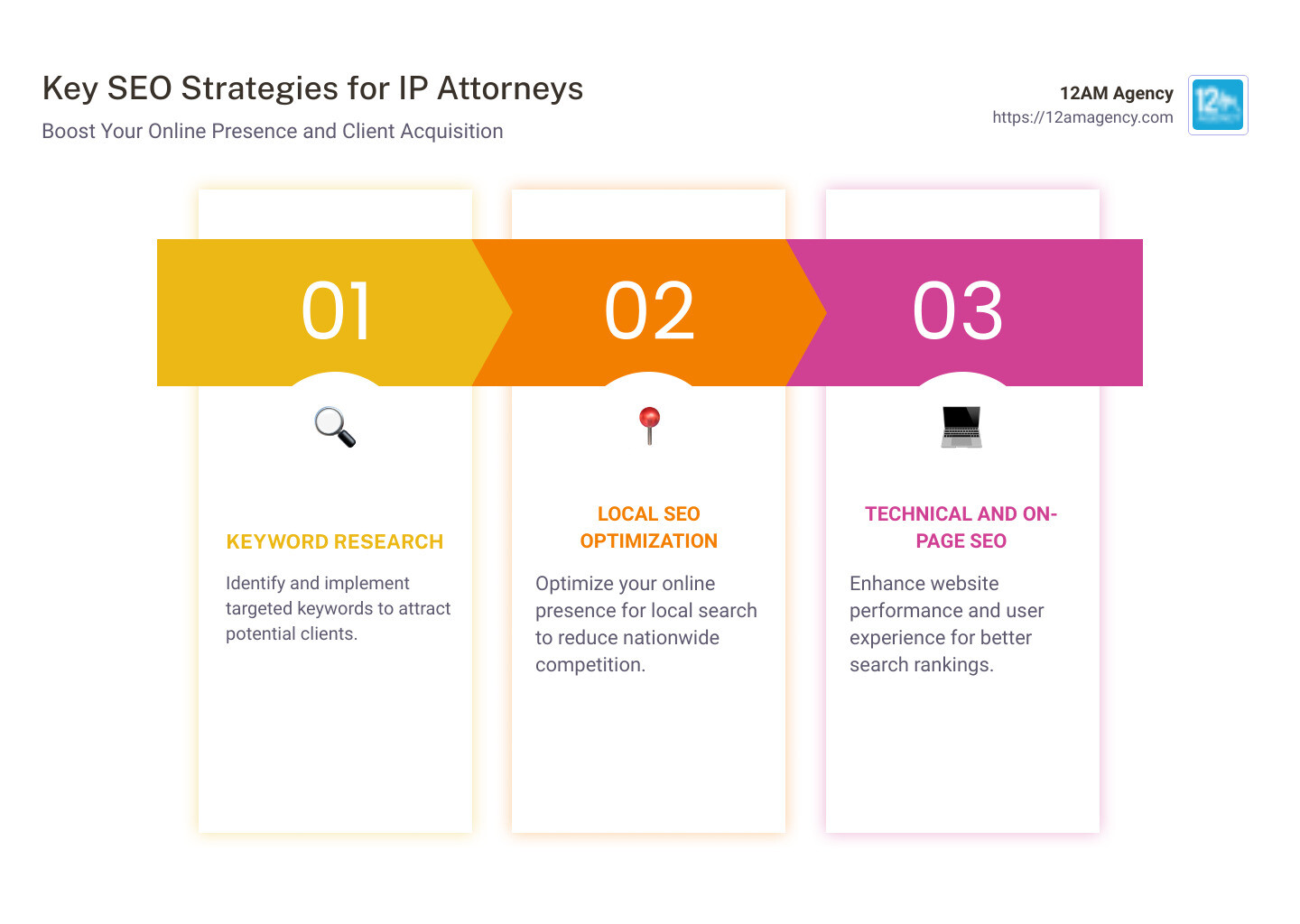
SEO for intellectual property attorneys is crucial for building a strong online presence, boosting visibility, and ultimately maximizing revenue. Without effective SEO strategies, even the most talented IP attorneys can find themselves lost in the digital noise, unable to reach potential clients who are actively searching for their expertise. To immediately lift your IP law firm’s digital standing, focus on these key tactics:
- Conduct thorough keyword research and implementation.
- Optimize for local search to reduce nationwide competition.
- Improve technical and on-page SEO to ensure a seamless user experience.
- Build high-quality backlinks to establish authority and trust.
In intellectual property law, having a strong online profile isn’t just beneficial—it’s essential for growth and success.
I’m Robert Portillo, a seasoned expert in digital marketing with a passion for enabling businesses, especially law firms, to thrive online. My journey from an engineering career to mastering SEO for intellectual property attorneys has been driven by a desire to help law practices leverage the internet for client acquisition and revenue growth.
Common SEO for intellectual property attorneys vocab:
– SEO for family law attorneys
– SEO strategies for lawyers
Understanding SEO for Intellectual Property Attorneys
Search engine optimization (SEO) is the backbone of a successful online strategy for any business, and law firms are no exception. For intellectual property attorneys, embracing SEO is crucial to standing out in a crowded marketplace and connecting with clients who need their specialized services.
What is SEO for Law Firms?
At its core, SEO for law firms involves optimizing a website to rank higher in search engine results, making it easier for potential clients to find you. For intellectual property attorneys, this means tailoring your SEO efforts to the unique challenges and opportunities in the IP field.
Why is SEO Important for Intellectual Property Attorneys?
- Visibility and Reach
The internet is often the first place people go when they need legal services. By optimizing your website, you ensure that your firm appears prominently in search results. This increased visibility translates to more inquiries and, ultimately, more clients.
- Authority and Trust
A well-optimized website, with high-quality content and authoritative backlinks, builds trust with both search engines and users. This credibility is crucial in a field like intellectual property, where clients are looking for experts.
- Competitive Edge
Many law firms are still catching up with digital marketing trends. By investing in SEO for intellectual property attorneys, you can gain a competitive edge over firms that rely solely on traditional marketing methods.
Key Components of SEO for IP Attorneys
- Keyword Research
Understanding what potential clients are searching for is the first step. Use tools to identify relevant keywords and phrases, such as “patent attorney” or “trademark protection.” This helps tailor your content to match search intent.
See exactly where your profile stands right now.
Our GBP audit shows your current rank position across your market, how your profile completeness scores against competitors, and the specific gaps holding you back from the Map Pack.
- Content Creation
Develop content that addresses common questions and concerns in IP law. Topics might include “IP protection for startups” or “trade secret protection.” High-quality content not only boosts SEO rankings but also positions your firm as a thought leader.
- Technical SEO
Ensure your website is technically sound. This includes fast loading times, mobile optimization, and secure connections (HTTPS). A seamless user experience is vital for both SEO and client satisfaction.
- Link Building
Build relationships with other websites in the legal and IP sectors. Quality backlinks from reputable sources improve your site’s authority and improve search engine rankings.
- Local SEO
Optimize your site for local searches. Claim your Google Business Profile and ensure your firm’s name, address, and phone number are consistent across all directories. Encourage satisfied clients to leave positive reviews, boosting your local search presence.
By understanding and implementing these SEO strategies, intellectual property attorneys can significantly improve their online presence, attract more clients, and ultimately increase their revenue.
Key Strategies for Effective SEO
To maximize your online presence as an intellectual property attorney, you need to focus on several key SEO strategies. Here’s how you can effectively leverage SEO for intellectual property attorneys:
Content Creation
Creating high-quality content is the cornerstone of effective SEO. Your potential clients are searching for answers, not just services. By providing valuable information, you position your firm as an authority in the field.
- Blog Posts: Write about current issues in IP law, such as “Artificial Intelligence and Intellectual Property” or “Trademark Protection for Startups.” Regular blog posts keep your site fresh and engaging.
- White Papers and Webinars: Offer in-depth insights into complex topics. These resources can attract backlinks and establish your firm as a thought leader.
- Infographics: Visual content is highly shareable and can simplify complex legal concepts.

Keyword Research
Keywords are the bridge between your content and potential clients. You must understand the terms your audience is using.
- Use tools like Google Keyword Planner to find high-volume, relevant keywords. Phrases like “patent litigation attorney” or “IP law firm in [Your City]” can guide your content strategy.
- Focus on long-tail keywords that capture specific search intents, such as “how to file a trademark for a startup.”
Link Building
Link building is about earning the trust of search engines through quality endorsements from other sites.
- Guest Blogging: Write articles for reputable legal websites. This not only provides backlinks but also introduces your expertise to a broader audience.
- Partnerships: Collaborate with other professionals in related fields, such as tech firms or business consultants, for mutual referrals and links.
User Experience
User experience is a critical aspect of SEO. A user-friendly website keeps visitors engaged and encourages them to reach out.
- Mobile Optimization: Ensure your website looks great and functions well on all devices. Google prioritizes mobile-friendly sites in its rankings.
- Page Speed: Fast-loading pages improve user satisfaction and reduce bounce rates. Tools like Google PageSpeed Insights can help identify areas for improvement.
- Clear Navigation: Simplify your website’s structure, making it easy for users to find the information they need quickly.
By focusing on these strategies, you can effectively improve your SEO for intellectual property attorneys, driving more leads and increasing your firm’s revenue.
Local SEO Best Practices for IP Attorneys
When it comes to attracting clients in your area, local SEO is crucial. Here are some best practices to help your intellectual property law firm stand out locally:
Google Business Profile
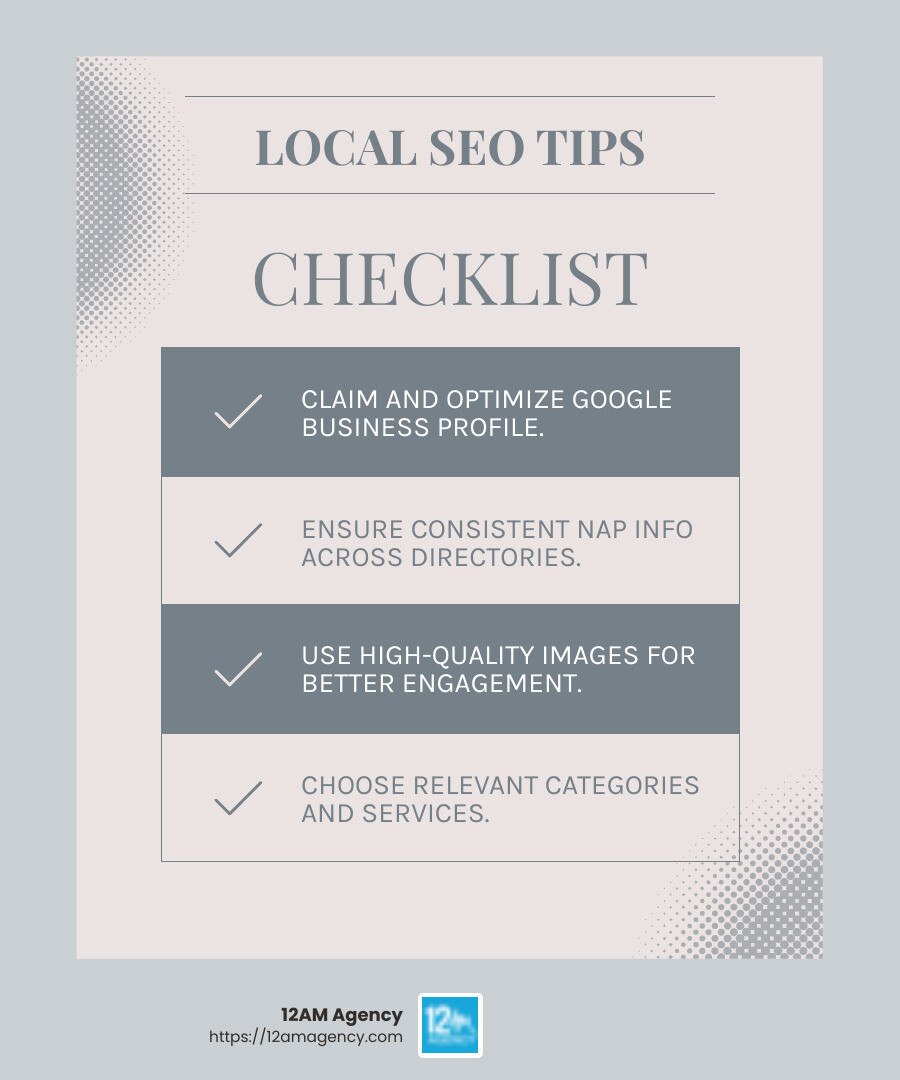
Claiming and optimizing your Google Business Profile (GBP) is a must. This free tool helps your firm appear in Google Maps and local search results, making it easier for potential clients to find you.
- Complete Your Profile: Ensure all information is accurate, including your address, phone number, and business hours. Add high-quality photos of your office and team to make a great first impression.
- Categories and Services: Select relevant categories and services that reflect your expertise in intellectual property law.
Local Citations
Consistency is key when it comes to local citations. Make sure your firm’s name, address, and phone number (NAP) are the same across all online directories.
- Directories: List your firm on legal directories like Avvo, as well as general ones like Yelp and Yellow Pages.
- Check for Consistency: Regularly audit your listings to ensure consistency, which boosts your credibility with search engines.
Reviews
Encourage satisfied clients to leave positive reviews on your GBP and other review platforms. Reviews not only improve your online reputation but also influence potential clients’ decisions.
- Respond to Reviews: Engage with clients by responding to reviews, both positive and negative. Show appreciation for positive feedback and address any concerns in negative reviews professionally.
- Request Feedback: After successfully closing a case, ask clients for feedback. A simple request can go a long way in building your online presence.
Local Content
Creating content that resonates with your local audience can significantly boost your local SEO efforts.
- Local Events and News: Write blog posts about local IP law events or changes in local regulations. This positions your firm as a go-to resource for regional legal updates.
- Case Studies: Share success stories of cases you’ve handled locally. Prospective clients appreciate real-world examples of your expertise.
By implementing these local SEO best practices, you can improve your firm’s visibility in your area, attract more local clients, and effectively leverage SEO for intellectual property attorneys.
Next, we’ll explore how leveraging social media can further amplify your SEO efforts and connect you with potential clients.
Leveraging Social Media for SEO Success
Social media isn’t just about likes and shares—it’s a powerful tool for SEO for intellectual property attorneys. Here’s how you can use it to boost your brand awareness and engage with clients:
Brand Awareness
Social media platforms like LinkedIn, Facebook, and Twitter can help your law firm become a recognizable name in the IP law space.
- Consistent Branding: Use your firm’s logo, colors, and tone consistently across all platforms. This helps create a unified brand image that clients can easily recognize.
- Regular Updates: Share updates about your firm, such as recent case wins, team achievements, or changes in IP law. This keeps your audience informed and engaged.
Client Engagement
Engagement is key to building relationships with potential clients. Social media allows for direct interaction, making it easier to connect with your audience.
- Interactive Content: Post polls, Q&A sessions, or live webinars to engage with your audience. Encourage participation by asking questions or seeking opinions.
- Respond Promptly: Quick responses to comments and messages show that you value client interaction, which can build trust and encourage further engagement.
Social Media Platforms
Each platform has its strengths. Choose the ones that align best with your goals and audience.
- LinkedIn: Ideal for professional networking. Share industry insights, connect with other professionals, and participate in relevant groups to expand your reach.
- Facebook: Great for building a community. Create a business page, share client testimonials, and post about IP law topics that interest your audience.
- Twitter: Perfect for quick updates and real-time interaction. Use hashtags to join conversations on IP law and connect with a broader audience.
By leveraging these social media strategies, you can improve your firm’s online presence, improve SEO rankings, and attract more clients.
Next, we’ll dive into creating high-quality content that resonates with your audience and boosts your firm’s credibility.
Creating High-Quality Content for IP Law Firms
Creating high-quality content is crucial for SEO for intellectual property attorneys. Let’s explore different content types that can help your law firm stand out:
Blog Posts
Blog posts are a staple for any SEO strategy. They allow you to share valuable insights and keep your audience informed about IP law trends.
- Informative Topics: Write about common IP issues like patent application processes or trademark registration steps. This can attract readers seeking specific legal advice.
- Regular Updates: Consistently publish new blog posts to keep your content fresh and engaging. Regular updates also signal search engines that your site is active.
White Papers
White papers are excellent for delving into complex IP topics. They position your firm as an authority in the field.
- In-Depth Analysis: Discuss intricate subjects like the impact of AI on IP law or trade secret protection. Provide detailed insights and data to back up your claims.
- Professional Presentation: Ensure your white papers are well-organized and professionally designed. This improves credibility and encourages sharing among peers.
Infographics
Infographics make complex information easy to digest. They can boost engagement and are highly shareable, enhancing your SEO efforts.
- Visual Appeal: Use infographics to simplify legal concepts. For instance, illustrate the steps in a patent application process.
- Shareability: Infographics are perfect for sharing on social media. They can attract attention and drive traffic back to your website.
Webinars
Webinars offer a platform for interactive learning and engagement. They showcase your expertise and can lead to direct client interactions.
- Educational Sessions: Host webinars on topics like IP litigation strategies or recent changes in IP law. This provides value to your audience and demonstrates your knowledge.
- Interactive Features: Use Q&A sessions during webinars to engage directly with participants. This interaction can build trust and encourage potential clients to reach out.
By incorporating these content types into your strategy, you can improve your firm’s online presence, attract more clients, and establish authority in the IP law space.
Next, we’ll address some frequently asked questions about SEO for intellectual property attorneys.
Frequently Asked Questions about SEO for Intellectual Property Attorneys
Does SEO work for law firms?
Absolutely! SEO is a powerful tool for law firms, including those specializing in intellectual property. By optimizing your website for search engines, you can significantly improve your firm’s visibility and attract more potential clients. This is particularly important in a competitive field like IP law, where many firms are vying for the same clients.
Law firm rankings can greatly benefit from SEO. When your site appears higher in search results, it increases the likelihood of attracting clicks and inquiries. This means more leads and, ultimately, more clients for your firm. According to the 12AM Agency, SEO can be the difference between landing a new client and having to work harder to get that same lead.
How much does SEO for lawyers cost?
This is the work we do for you. Every week, without exception.
Managing GBP at this level takes 6–8 hours a week when done right. Nova handles the entire system — posts, photos, reviews, Q&A, citations, heatmap tracking — so you can focus on running your business.
The cost of SEO for lawyers varies depending on several factors. These include the size of your firm, the competitiveness of your market, and the specific services you need. Generally, SEO pricing can range from a few hundred to several thousand dollars per month.
Cost factors include:
- Keyword competitiveness: More competitive keywords cost more to rank for.
- Content creation: Developing high-quality content like blog posts and white papers can drive up costs.
- Link building: Acquiring quality backlinks is often a paid service.
- Ongoing optimization: SEO is not a one-time task; continuous optimization is crucial for maintaining rankings.
Investing in SEO is often more cost-effective in the long run compared to other marketing strategies like PPC, which requires ongoing payments to maintain visibility.
What is SEO in law?
SEO, or search engine optimization, is the process of improving your law firm’s online visibility in search engine results. For intellectual property attorneys, this means optimizing your website to attract clients looking for IP legal services.
Law firm strategies for SEO include:
- Keyword research: Identifying and using relevant keywords that potential clients are searching for.
- Content creation: Developing valuable content that answers common IP law questions and showcases your expertise.
SEO helps ensure that when someone searches for terms like “patent law firm” or “trademark attorney,” your firm is prominently featured in the search results. By implementing these strategies, law firms can effectively use SEO to boost their online presence and attract more clients.
Next, we’ll explore how 12AM Agency can provide personalized strategies to maximize your firm’s digital marketing efforts.
Conclusion
Having a robust online presence is crucial for intellectual property attorneys. At 12AM Agency, we specialize in crafting personalized strategies that cater to the unique needs of law firms. Our approach ensures that your firm not only stands out in search results but also connects with potential clients effectively.
Personalized Strategies for Success
Every law firm is different, and that’s why we don’t believe in one-size-fits-all solutions. Our team takes the time to understand your firm’s specific goals, challenges, and target audience. By doing so, we can tailor an SEO strategy that aligns perfectly with your objectives. Whether it’s optimizing your Google Business Profile or creating engaging content for your audience, our strategies are designed to drive results.
Comprehensive Digital Marketing
Our expertise extends beyond just SEO. We offer a full suite of digital marketing services to help your firm grow. From pay-per-click advertising to social media marketing, we ensure that all facets of your online presence are working together to maximize your reach and revenue. Our team stays updated with the latest trends and technologies, ensuring your firm remains competitive in a rapidly evolving digital landscape.
By partnering with us, you’ll have access to a team dedicated to your success. We provide ongoing support and optimization to ensure your strategies remain effective over time. Our commitment is to help your firm achieve its full potential online.
Ready to take your firm’s digital marketing to the next level? Explore our law firm SEO services in Texas and see how we can help you maximize revenue and drive more leads. Let’s open up the power of SEO together!

