


Most conversations about AI video tools focus on volume — how many clips a team can push out per week, how fast a script becomes a finished post. That’s the wrong frame for one specific category of content: the brand story video. A founder explaining why a business exists, a company walking through what actually makes its process different, a service brand putting a real person behind the name on the website — this content doesn’t succeed by being fast. It succeeds by being believable, and that’s a harder bar for AI-generated video to clear than a quick social clip.
Why Brand Story Content Behaves Differently Than Everything Else in the Content Calendar
Video adoption has effectively plateaued at saturation. 91% of businesses now use video as a marketing tool, matching the all-time high first reached in 2023, which means having video at all stopped being a differentiator years ago. What still separates brands is whether the video actually builds trust, and that’s where brand story content carries more weight than a routine product demo or a trending sound paired with a logo. 89% of consumers say video quality directly impacts their trust in a brand — and quality here isn’t just resolution or lighting, it’s whether the story feels like it’s coming from a real business rather than a templated marketing department.
This is exactly the gap most generic AI video generators aren’t built to close. They’re optimized for speed and volume — turning a blog post into five social clips, repurposing a webinar into shorts — which is a genuinely useful function, just not the same job as making a founder’s story land the way it would in person.
See exactly where your profile stands right now.
Our GBP audit shows your current rank position across your market, how your profile completeness scores against competitors, and the specific gaps holding you back from the Map Pack.
Where a Purpose-Built Tool Changes the Calculation
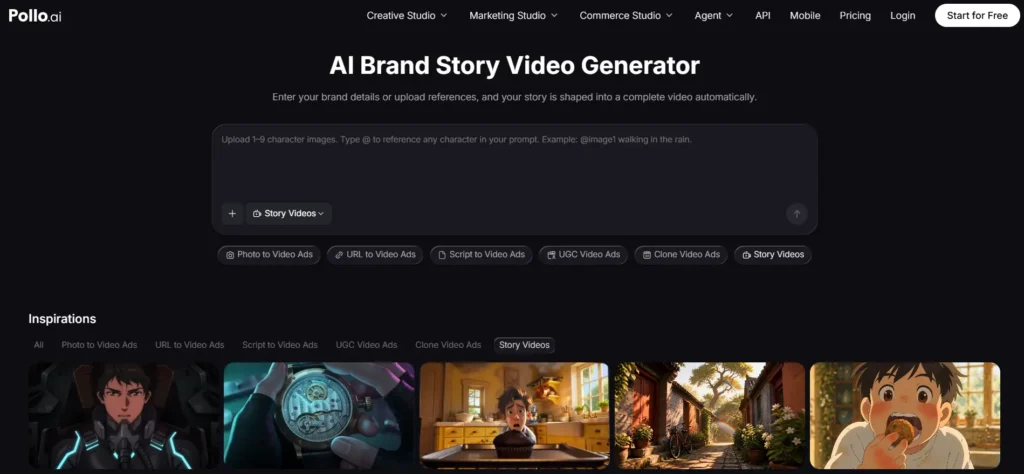
An AI Brand Story Video Generator is built around a narrower problem than general-purpose video generation: taking a business’s actual story — a founder narrative, a process explanation, the reasoning behind a product decision — and producing something that holds up as a legitimate piece of brand content rather than a generic explainer with the company name swapped in. Pollo AI’s version of this handles the assembly directly from a written narrative, existing photos, or raw footage, which matters for small and mid-sized brands specifically, since a proper brand story shoot with a production team was never realistically in budget for most of them.
The distinction worth making here is the same one that applies to any AI creative tool: the software executes faster, but someone still has to decide what the story actually is. A brand story video generated from a vague, generic input produces a vague, generic result — the tool doesn’t manufacture authenticity on its own. It removes the production bottleneck standing between a business that has a genuine story and one that’s actually gotten it in front of customers.
The Practical Reason This Keeps Coming Up: AI Adoption in Video Is Already Mainstream
This isn’t a fringe use case anymore. 63% of video marketers already use AI tools to create or edit videos</cite>, which means the question for most marketing teams isn’t whether to use AI in video production — it’s which parts of the pipeline actually benefit from it. Brand story content is a reasonable place to draw a line: use AI to compress the production timeline and handle technical assembly, while keeping the actual narrative decisions — what story to tell, what to leave out, what tone fits the brand — firmly in human hands.
Sourcing Audio That Doesn’t Undercut the Story
This is the work we do for you. Every week, without exception.
Managing GBP at this level takes 6–8 hours a week when done right. Nova handles the entire system — posts, photos, reviews, Q&A, citations, heatmap tracking — so you can focus on running your business.
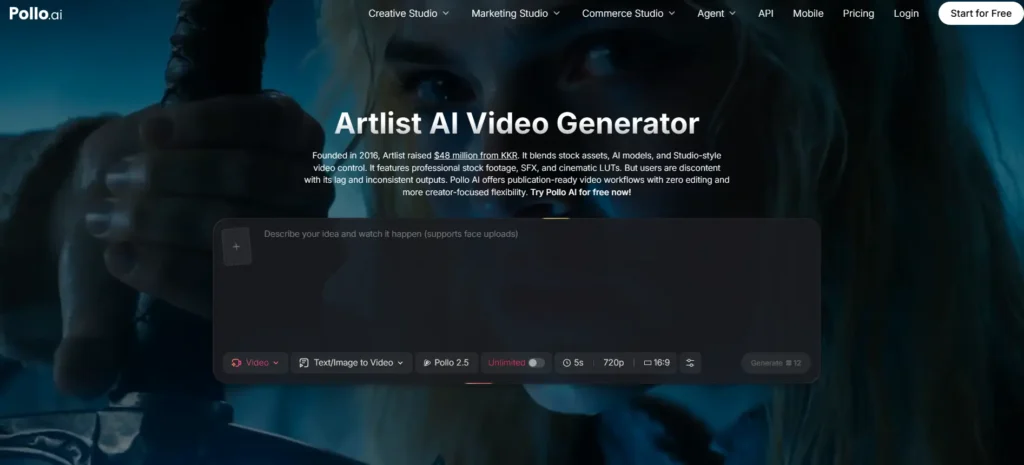
One detail that quietly undermines a lot of brand story videos is mismatched or obviously stock-sounding background music — it’s a small thing, but it’s exactly the kind of detail that signals “generic” to a viewer even when the story itself is genuine. Artlist AI is a well-established resource for commercially licensed music and sound built for this kind of brand content specifically, and Pollo AI connects directly into it, letting a team pull Artlist AI tracks into a generated brand story without leaving the workflow to license something separately.
The Actual Takeaway for Marketing Teams
AI video tools have earned their place in the content calendar for volume and repurposing — that argument is settled. The more interesting question in 2026 is where AI tools built for a narrower, higher-stakes job like brand storytelling fit into that same stack, since Pollo AI and similar purpose-built tools solve a different problem than a generic clip generator. For teams that already have a real story worth telling and have been putting off producing it because the traditional route felt disproportionate to the payoff, that’s the gap actually worth closing first — before adding another five generic social clips to a calendar that already has plenty of them.

