




As a small business owner, your time is your most valuable asset. Every minute and every dollar you spend needs to generate a tangible return. So when someone talks about “SEO,” the first question that pops into your mind is probably, “Is SEO even worth it for a small business?”
The short answer is a resounding yes—but with a critical caveat.
For most small businesses, the focus shouldn’t be on competing with multinational corporations for national keywords. The real treasure is in local SEO. This strategy, when executed correctly, is one of the most powerful and cost-effective ways to attract new customers, build a defensible brand, and grow your revenue.
In this guide, we’ll break down the data-backed reasons why SEO is not just a nice-to-have, but a must-have for small businesses, and provide a clear, actionable roadmap to get you started.
See exactly where your profile stands right now.
Our GBP audit shows your current rank position across your market, how your profile completeness scores against competitors, and the specific gaps holding you back from the Map Pack.
Key Takeaways
| Topic | Key Insight |
| The “Why” | Local SEO is a high-ROI strategy that targets customers in your immediate service area. |
| Google Business Profile | Your GBP is your most powerful local SEO asset. A complete, optimized profile is non-negotiable. |
| Reviews & Reputation | High-quality, text-rich reviews are a top-tier ranking signal and a key driver of trust. |
| On-Page SEO | Your website must be structured and optimized to support your GBP and local search goals. |
| Off-Page SEO | Backlinks and citations from local sources validate your business to Google and customers alike. |

The Top Three Reasons Why Local SEO is a Game-Changer
1. It’s a High-Return, Low-Cost Marketing Channel
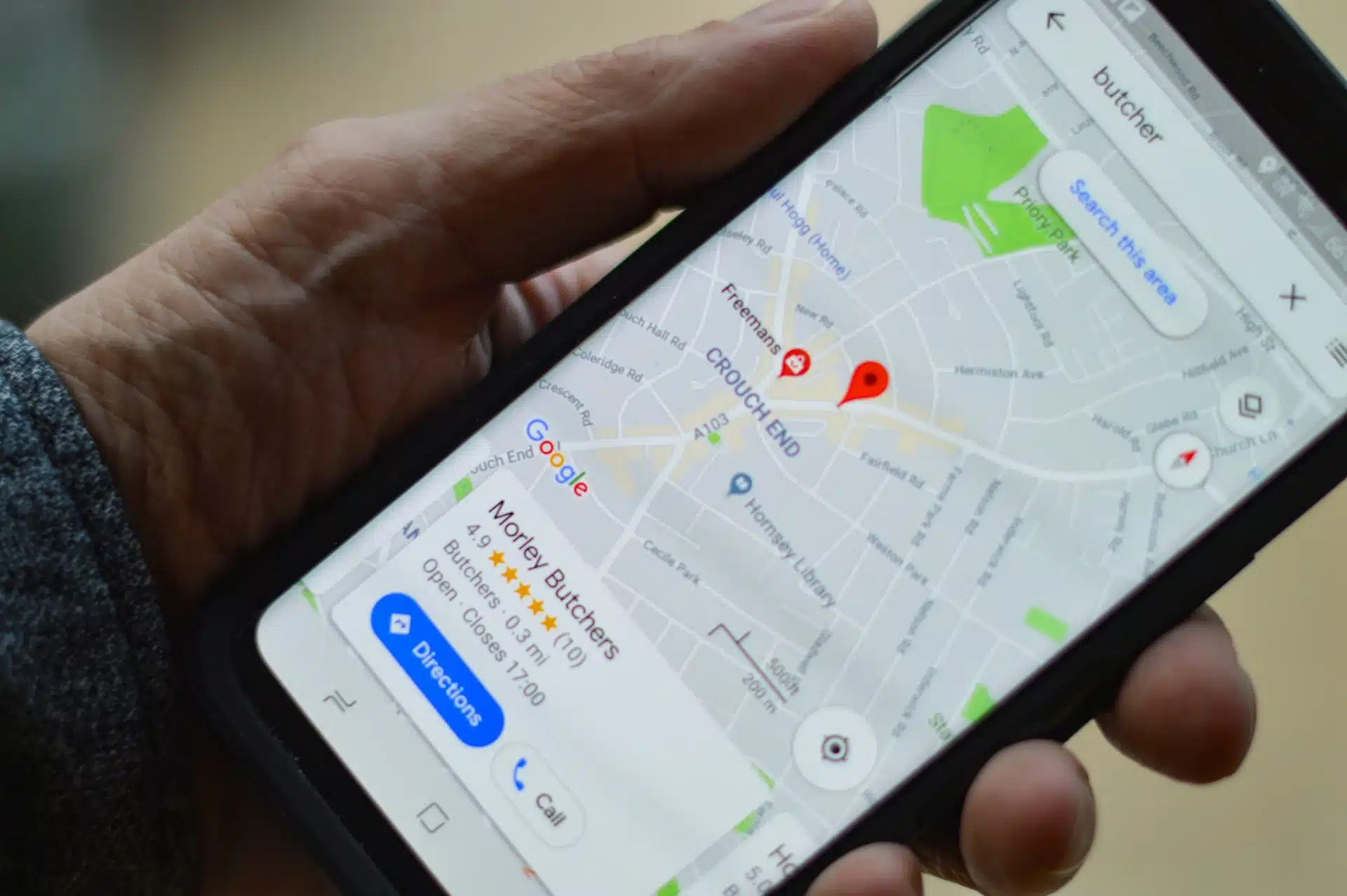
Compared to traditional advertising (like print ads or direct mail) or even paid search (PPC), a well-executed SEO strategy offers a higher return on investment over the long term. Why? Because once you rank, the traffic is essentially free. You’re not paying for every click. You’re building a sustainable asset that continues to generate leads and sales long after the initial effort. The data shows that a complete and optimized Google Business Profile can increase inbound calls and website clicks by hundreds of percent.
2. You’re Competing Against Your Neighbors, Not the World
Local SEO levels the playing field. Google’s algorithm prioritizes proximity, meaning a small, local business can outrank a national chain for a search like “best coffee shop near me” simply by being closer and having a more relevant, optimized profile. Your competition is local, and with a strategic approach, you can dominate the local search results.
3. It Builds Trust and Authority
A prominent presence in Google’s local pack or on the first page of search results signals to potential customers that you are a legitimate, trusted business. This trust is further reinforced by a strong collection of positive reviews. When a customer searches for a service and sees your business appear with a 5-star rating, they are far more likely to click on your result than a competitor’s.
Your 3-Step Roadmap to Local SEO Success
Step 1: Optimize Your Google Business Profile (GBP) – The Foundation of Your Strategy
Your GBP is the most critical element of local SEO. If you take away just one thing from this guide, it’s this: optimize your GBP.
- Primary Category: Choose the most accurate and specific primary category for your business. This tells Google exactly what you do.
- Business Name: Use your exact, legal business name. While having a keyword here can help, Google penalizes keyword stuffing. Be honest.
- Complete Information: Fill out every section. This includes your business hours, phone number, website, and a detailed, benefit-driven description of what you offer.
- Photos & Video: Add high-quality images of your location, team, and services. Google’s AI can analyze these visuals, and they significantly increase customer engagement.
For a deeper dive into this, check out our comprehensive guide to Google Business Profile and local citations.
Step 2: Start Building a Review Engine
Reviews are a massive ranking factor and a direct driver of customer trust. They are, quite simply, the social proof that proves you’re a business worth buying from.
- Make it Easy: Create a direct link for customers to leave a review and share it via text or email immediately after a positive service.
- Respond to Everything: Respond to every single review—the good, the bad, and the ugly. A thoughtful response to a negative review can often build more trust than a dozen positive ones.
- Bury the Negative: Don’t let a bad review sit at the top. The best way to push it down is to get more positive reviews.
Step 3: Get Your Website and Content in Order
Your website and content marketing efforts are an essential complement to your GBP. They provide the detailed information and authority that your GBP can only hint at.
- On-Page Optimization: Ensure your website’s service pages are optimized with relevant keywords. Your page title, main headline (H1), and body copy should all naturally incorporate your target keyword. For a quick check on your current setup, our 10-step DIY SEO audit guide is a great starting point.
- Backlinks: Quality backlinks from other local, reputable businesses are a key trust signal for Google. Find local directories, partner with complementary businesses, or even create a comprehensive, linkable guide that others in your industry would want to cite.
- The NAP: Make sure your business’s Name, Address, and Phone number are consistent and visible on every page of your site, preferably in the footer.
Frequently Asked Questions (FAQ)
Q: How long does it take to see results from SEO?
A: Unlike paid advertising, SEO is a long-term strategy. You can often see initial improvements in rankings within 3-6 months, but significant traffic and revenue growth typically take 6-12 months or longer. It’s a marathon, not a sprint.
Q: Do I need a website to do SEO?
This is the work we do for you. Every week, without exception.
Managing GBP at this level takes 6–8 hours a week when done right. Nova handles the entire system — posts, photos, reviews, Q&A, citations, heatmap tracking — so you can focus on running your business.
A: While having a website is highly recommended and a crucial component of a comprehensive strategy, you can achieve significant results with just an optimized Google Business Profile. For most businesses, however, a website is essential for providing credibility and a place to showcase your work and services.
Q: Can I do SEO myself, or do I need to hire an agency?
A: Many of the foundational steps, such as optimizing your GBP and soliciting reviews, can be done yourself. Our DIY SEO audit guide is a great resource. However, for more advanced strategies like technical SEO, content marketing, and backlink acquisition, hiring a dedicated team can accelerate your growth and provide a substantial ROI.
The Final Verdict: A Must-Have, Not a Maybe
For small business owners, SEO isn’t a luxury—it’s a necessity. By focusing on a smart, local-first strategy, you can attract customers, build trust, and establish a sustainable channel for growth.
Ready to see how a strategic SEO plan can transform your business? Check out our case studies and client results or learn more about our SEO management services.


