



Getting to the top of Google is the ultimate goal for any business, but the path to that coveted #1 spot often feels shrouded in mystery and complex algorithms. Many marketers throw everything at the wall, hoping something sticks, only to be met with disappointing results.
But what if you could follow a proven, step-by-step roadmap?
Drawing from over two decades in the trenches of digital marketing, I can tell you that ranking on Google isn’t about secret tricks; it’s about a sustained, strategic effort built on a foundation of E-E-A-T: Experience, Expertise, Authoritativeness, and Trustworthiness. Google’s core mission is to provide users with the most relevant and reliable answers. By aligning your strategy with this principle, you’re not just chasing an algorithm—you’re building a genuine connection with your audience.
This guide will break down the exact 8-step process you need to dominate the search rankings in 2025. We’ll move beyond theory and give you a detailed, actionable plan to implement today.
Step 1: How Do You Find and Fix Your Website’s Hidden Errors?
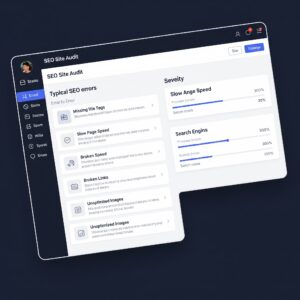 Before you can build a skyscraper, you need a flawless foundation. Your website’s technical health is that foundation. You could have the most brilliant content in the world, but if Google’s crawlers can’t access or understand your site properly, you’re invisible. This is where a thorough SEO site audit becomes your most critical first step.
A Step-by-Step Guide to Your First Site Audit
- Choose Your Tool: While there are many options, a tool like UberSuggest is excellent for beginners and experts alike because it doesn’t just show you problems; it prioritizes them based on their potential impact on your traffic.
- Run the Audit: Simply enter your website’s URL into the tool’s site audit function. It will crawl your site, simulating how a search engine sees it.
- Analyze the Report: The report will highlight critical errors. Don’t get overwhelmed. Focus on these key areas first:
- Broken Pages (404 Errors): These are dead ends for both users and search engines. Fix them immediately by redirecting them to a relevant, live page.
- Site Speed: If your site takes more than a few seconds to load, visitors will leave. The audit will identify images that are too large or code that is slowing you down.
- Duplicate Title Tags or Meta Descriptions: These confuse Google about which page is the most important for a given topic, effectively cannibalizing your own rankings.
- Low Word Count Pages: Thin content signals low value. Plan to either expand these pages with useful information or remove and redirect them.
Think of this audit as a health check-up for your website. Addressing these foundational issues is often the fastest way to see a tangible improvement in your rankings.
See exactly where your profile stands right now.
Our GBP audit shows your current rank position across your market, how your profile completeness scores against competitors, and the specific gaps holding you back from the Map Pack.
Step 2: How Can You Ethically Spy on Your Competition?
 Success leaves clues. Your top competitors are already ranking for a reason, and your job is to figure out why. Reverse-engineering their strategy gives you a massive competitive advantage.
Building a Competitive Analysis Dashboard
When you set up a project in a tool like UberSuggest, add your top 3-5 competitors. This will create a live dashboard that monitors:
- Their Top Keywords: See which keywords are driving the most traffic to their site. Are there opportunities you’re missing?
- Their Backlinks: The tool will show you every new backlink your competitors acquire in real-time. This is a goldmine for your own link-building efforts (more on that in Step 5).
- Their New Content: Get alerts whenever they publish a new blog post. This allows you to identify content trends and ensure your own content remains fresher and more comprehensive.
Monitoring the competition isn’t about copying them; it’s about understanding the battlefield so you can move faster, be smarter, and fill the gaps they’ve left open.
Step 3: What Keywords Should You Actually Target?
 Not all keywords are created equal. Many businesses make the mistake of targeting highly competitive, broad keywords, which is like trying to win a shouting match in a stadium. The smarter approach is to find keywords that signal strong commercial intent and have a clear path to ranking.
Finding High-Value, Low-Difficulty Keywords
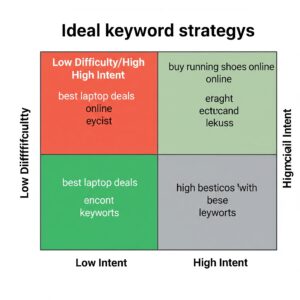
Your goal is to find the sweet spot: keywords with a low SEO Difficulty score and a high Cost-Per-Click (CPC).
- Low SEO Difficulty: This means there’s less competition, giving your site a realistic chance to rank on the first page.
- High CPC: Even if you aren’t running ads, a high CPC is a powerful signal. It tells you that other businesses are willing to pay good money for traffic from that keyword. Why? Because it converts. People searching these terms are often further along in the buying journey.
Use your keyword research tool to filter for keywords with an SEO difficulty score under 40 and a CPC over $1. This will give you a list of high-potential keywords that can drive not just traffic, but revenue.
Step 4: Should You Use AI for Your SEO Content?
 The rise of AI has led to a content explosion, but more is not always better. In a recent experiment, we pitted 100% human-written content against content that was AI-generated and human-edited. The human-written content received five times more traffic.
Why E-E-A-T Is Your Moat (and AI’s Weakness)
Google’s algorithm is designed to reward E-E-A-T. AI, by its nature, struggles with this. It can’t have real-life Experience. It often regurgitates existing information, lacking true Expertise. This is why human oversight and genuine insight are irreplaceable.
Where AI is useful:
- Content Ideation: Brainstorming topics, headlines, and angles.
- Adjusting Tonality: Rewriting a paragraph to be more professional or more casual.
- Translation & Transcription: Making your content accessible to a global audience.
The Golden Rule: Use AI as an assistant, not a replacement. Your unique insights, stories, and expertise are what will ultimately earn the trust of your audience and Google.
Step 5: How Do You Get High-Quality Backlinks?
 Backlinks are one of Google’s most important ranking factors. They act as “votes of confidence” from other websites, signaling that your content is authoritative and trustworthy.
The Competitor Backlink Gap Strategy
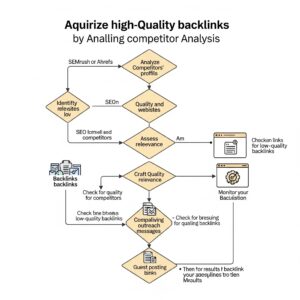
The most efficient way to build high-quality links is to find sites that link to your competitors but not to you. Here’s how:
- Use the Backlinks Opportunity report in your SEO tool.
- Enter your URL and the URLs of your top competitors.
- The tool will generate a list of websites that link to two or more of your competitors. This is your target list. If a site is willing to link to multiple competitors, they are clearly interested in content within your niche.
- Your job is to create a piece of content that is demonstrably better than what your competitors have published. Is theirs outdated? Make yours more current. Is theirs just text? Add custom graphics, charts, or a video.
- Reach out with a personalized email. A simple tool like ChatGPT can help you draft a compelling, non-spammy outreach message.
Step 6: How Do You Build a Brand That Google Loves?
 A powerful, often-overlooked ranking factor is branded search. When people specifically search for your brand name (“YourBrand SEO tips” instead of just “SEO tips”), it sends a massive signal of authority to Google.
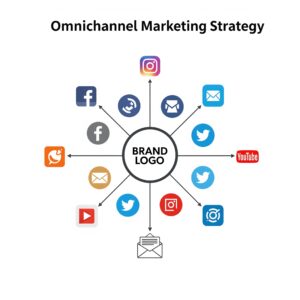
This happens when you stop thinking of your website as an island and start being omnichannel. Distribute your content across every relevant platform: LinkedIn, X (Twitter), Facebook, YouTube, and email newsletters. The more people who see your brand in different places, the more they will remember you and search for you directly. This builds brand equity, which directly translates into higher SEO traffic over time.
Step 7: How Do You Get More Traffic from Old Content?
This is the work we do for you. Every week, without exception.
Managing GBP at this level takes 6–8 hours a week when done right. Nova handles the entire system — posts, photos, reviews, Q&A, citations, heatmap tracking — so you can focus on running your business.
 Your old blog posts are not dead; they are sleeping assets. One of the easiest SEO wins is to refresh and update your existing content.
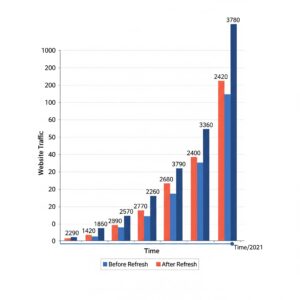
Go to Google Search Console and look at your performance report. Find pages whose traffic has been declining over the last 6-12 months. These are your top candidates for a refresh. Update them by:
- Adding new, relevant statistics.
- Improving the formatting for better readability.
- Answering new questions that have emerged on the topic.
- Adding new internal links to your more recent content.
Google favors fresh content. By simply updating a post, you can often see it jump back to the first page of the search results.
Step 8: What Are the Biggest SEO Mistakes to Avoid?
 Finally, ranking higher is also about what you don’t do. Avoid these common mistakes:
The Problem of Keyword Cannibalization
This happens when you have multiple pages on your site competing for the same keyword. It confuses Google, and as a result, none of the pages rank well. Instead, create a single, definitive “pillar page” on a broad topic.
The Importance of a Clear Website Structure
Organize your content into logical topic clusters. Have a main pillar page (e.g., “The Ultimate Guide to Digital Marketing”) and then create more specific “cluster” articles (e.g., “How to Start with Email Marketing,” “A Guide to Social Media Ads”) that all link back to the main pillar. This clear hierarchy shows Google that you have covered a topic thoroughly, establishing your expertise.

