




Online reviews shape how people see your business before you ever meet them. Even a single negative comment can cause more than 90 percent of shoppers to look elsewhere. That sounds brutal. Yet most companies treat online reviews like an afterthought, missing a huge chance. What if you could turn every review into a secret weapon for growth instead of just damage control?
Table of Contents
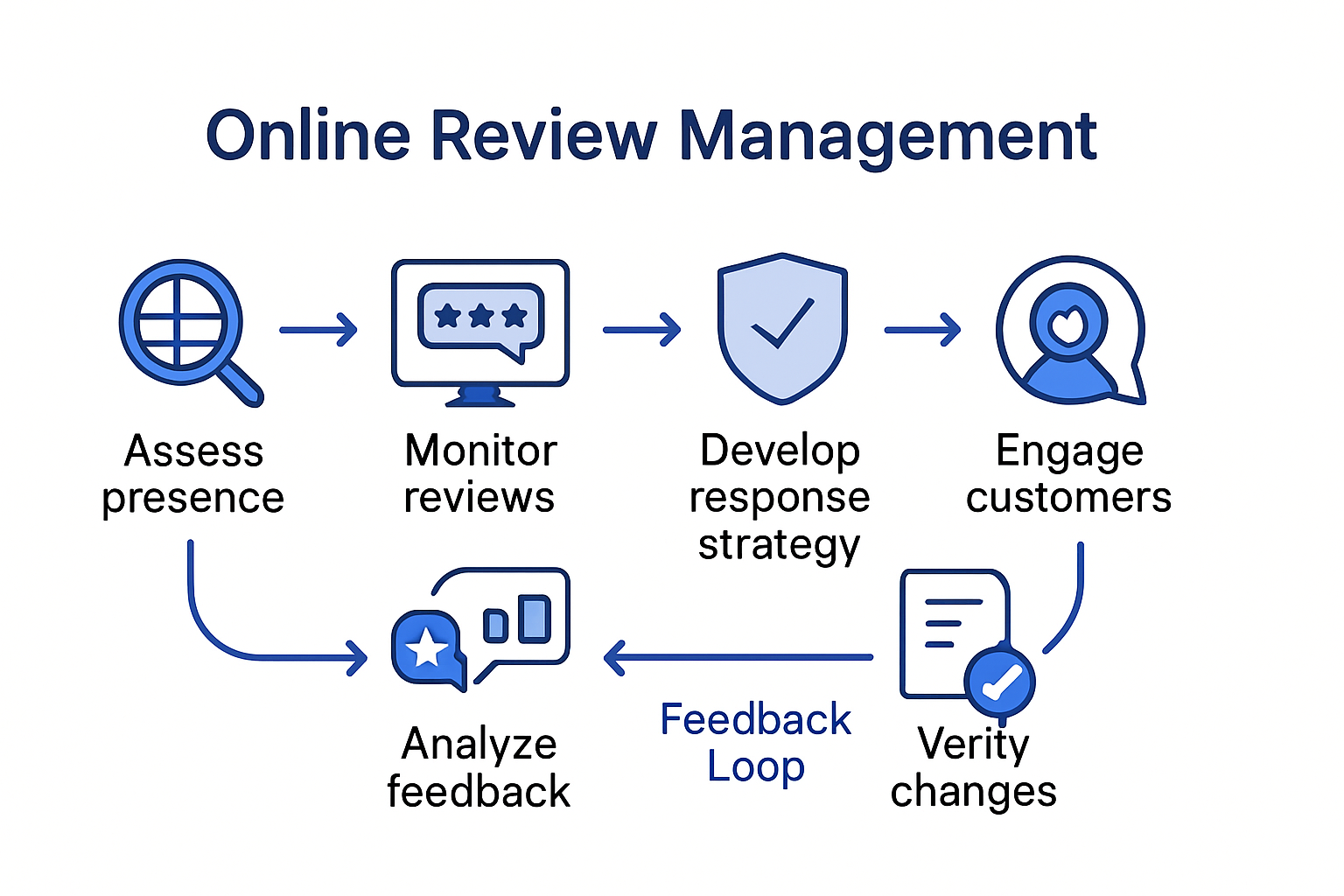
- Step 1: Assess Your Current Online Presence
- Step 2: Set Up Review Monitoring Tools
- Step 3: Develop a Response Strategy
- Step 4: Engage with Customers Regularly
- Step 5: Analyze Feedback for Improvement
- Step 6: Verify Changes and Optimize Approach
Quick Summary
| Key Point | Explanation |
|---|---|
| 1. Assess Your Current Online Presence | Conduct a thorough audit of your online reviews to understand your reputation across platforms. |
| 2. Set Up Review Monitoring Tools | Implement monitoring tools for real-time alerts regarding new reviews and customer feedback. |
| 3. Develop a Response Strategy | Create a standardized, thoughtful approach to responding to various types of reviews. |
| 4. Engage with Customers Regularly | Plan consistent interactions that show appreciation for customer feedback and foster strong relationships. |
| 5. Analyze Feedback for Improvement | Systematically categorize and analyze reviews to derive actionable insights for business enhancements. |
Step 1: Assess Your Current Online Presence
Understanding your current online review landscape is the critical first step in strategic reputation management. Before you can effectively manage online reviews, you need a comprehensive snapshot of your digital reputation across multiple platforms. This initial assessment will reveal your strengths, expose potential vulnerabilities, and provide a strategic foundation for improvement.
Start by conducting a thorough audit of your online presence. Search your business name on major review platforms like Google, Yelp, Facebook, and industry-specific review sites. Systematically document every review you find, noting both positive and negative feedback. Pay special attention to the frequency, tone, and specific details mentioned in these reviews. Are customers consistently praising certain aspects of your service? Are there recurring complaints that suggest systemic issues?
Discover actionable strategies for digital presence optimization to enhance your review management approach. Utilize free tools like Google Alerts to track mentions of your business across the web. Consider professional reputation monitoring services that can provide comprehensive tracking and insights. Your goal is to create a detailed inventory of your current online reputation, which will serve as the baseline for future improvement.
The key metrics to track during this assessment include:
- Total number of reviews across platforms
- Average rating on each review site
- Percentage of positive versus negative reviews
- Response rate to existing reviews
- Frequency of new reviews
Don’t just collect data passive ly. Analyze the patterns and themes emerging from your review audit. Look for common language, repeated compliments or complaints, and potential areas for immediate improvement. This comprehensive assessment transforms raw data into actionable intelligence, setting the stage for a targeted reputation management strategy that will help your business build trust and credibility online.
Step 2: Set Up Review Monitoring Tools
With your initial review landscape assessment complete, the next critical step is establishing a robust monitoring system that captures real-time insights about your online reputation. Review monitoring tools transform the complex task of tracking digital feedback into a streamlined, manageable process. Your goal is to create an early warning system that alerts you to new reviews across multiple platforms instantly.
See exactly where your profile stands right now.
Our GBP audit shows your current rank position across your market, how your profile completeness scores against competitors, and the specific gaps holding you back from the Map Pack.
Choose a combination of free and paid monitoring tools to create a comprehensive tracking strategy. Google Alerts provides a basic foundation, sending email notifications when your business name appears online. For more advanced tracking, platforms like reputation management solutions for small businesses offer integrated dashboards that aggregate reviews from Google, Yelp, Facebook, and industry-specific sites. Professional tools typically provide features like sentiment analysis, response tracking, and automated notifications.
When selecting monitoring tools, prioritize platforms that offer:
- Real-time review alerts
- Cross-platform tracking
- Sentiment analysis capabilities
- Easy response management interfaces
- Reporting and analytics features
Consider your business size, budget, and technical comfort when choosing tools. Small businesses might start with free options like Google Alerts and gradually transition to more comprehensive paid services. Large enterprises might require enterprise-grade solutions with advanced analytics and integration capabilities. Regardless of your choice, consistent monitoring is key. Set up notifications to reach multiple team members, ensuring no review goes unnoticed or unaddressed.
To help you choose the right review monitoring tools for your business needs, here is a comparison table summarizing features and options mentioned in the article.
| Monitoring Tool Option | Type | Key Features | Best for |
|---|---|---|---|
| Google Alerts | Free | Basic alerts, monitors mentions, email notifications | Small businesses, beginners |
| Reputation Mgmt Platforms | Paid | Real-time alerts, sentiment analysis, dashboards | Growing businesses, advanced |
| Enterprise Solutions | Paid | Cross-platform, analytics, integration capabilities | Large organizations |
This table allows you to quickly compare the main options and match them to your business scale and monitoring needs.
Configure these tools to send instant alerts to designated email addresses or mobile devices, creating a responsive review management workflow that demonstrates your commitment to customer feedback and continuous improvement.
Step 3: Develop a Response Strategy
Developing a strategic approach to online review responses transforms customer feedback from a potential threat into a powerful opportunity for brand reputation enhancement. A well-crafted response strategy demonstrates your commitment to customer satisfaction and turns every review into a chance to showcase your business’s values and customer service excellence.
According to research from the Harvard Business Review, 89% of consumers read business responses to online reviews, making each interaction critically important. Create a standardized response framework that provides flexibility while maintaining a consistent tone and approach. Establish clear guidelines for addressing different types of reviews, differentiating between positive feedback, constructive criticism, and potentially inflammatory comments.
Your response strategy should include specific protocols for various review scenarios:
- Positive reviews: Express genuine gratitude and highlight specific aspects of the customer experience
- Neutral reviews: Acknowledge concerns and invite further dialogue
- Negative reviews: Demonstrate empathy, offer a solution, and take the conversation offline when appropriate
Timing is crucial in review management. Aim to respond within 24-48 hours of a review being posted. Develop templates for different review types, but always personalize the response to show you’ve carefully read the specific feedback. Avoid generic, copy-paste responses that feel impersonal. Instead, reference specific details mentioned in the review to demonstrate that you’re truly listening.
Create a clear escalation process for handling complex or particularly sensitive reviews. Assign specific team members to manage different types of feedback, ensuring that someone with the appropriate expertise and authority can address customer concerns quickly and effectively. Regularly review and refine your response strategy, tracking the impact of your approach on overall customer sentiment and review ratings. Remember, the goal is not just to respond, but to turn each review into an opportunity to build trust, demonstrate your commitment to customer satisfaction, and potentially convert a negative experience into a positive long-term relationship.
Step 4: Engage with Customers Regularly
Customer engagement transcends simple review responses, transforming your online reputation into an active, dynamic conversation. Regular interaction demonstrates that your business values customer feedback and is committed to continuous improvement. This proactive approach not only builds trust but also creates opportunities to showcase your brand’s responsiveness and customer-centric philosophy.
Learn more about strategic customer engagement techniques that can elevate your reputation management efforts. Develop a systematic approach to customer interaction that goes beyond reactive review responses. Schedule regular follow-ups with customers who have recently purchased your product or service. Send personalized thank-you emails, request feedback through surveys, and create multiple touchpoints that invite genuine dialogue.
Establish a comprehensive engagement strategy that includes:
- Quarterly customer satisfaction surveys
- Monthly email newsletters with personalized content
- Social media interactions and community building
- Direct outreach to customers who have shared detailed feedback
Consistency is key in customer engagement. Create a structured communication calendar that ensures regular, meaningful interactions across multiple channels. This might involve setting up automated email sequences, creating social media engagement protocols, or developing a customer feedback loop that continuously solicits and incorporates customer insights. Train your team to view every customer interaction as an opportunity to build long-term relationships, not just resolve immediate concerns.
Measure the effectiveness of your engagement strategy by tracking metrics like response rates, customer satisfaction scores, and the volume and sentiment of subsequent reviews. Look for patterns that indicate improved customer perception and be prepared to adapt your approach based on these insights. Remember, true engagement is a two-way conversation that requires genuine listening, authentic responses, and a commitment to turning customer feedback into meaningful business improvements.
Step 5: Analyze Feedback for Improvement
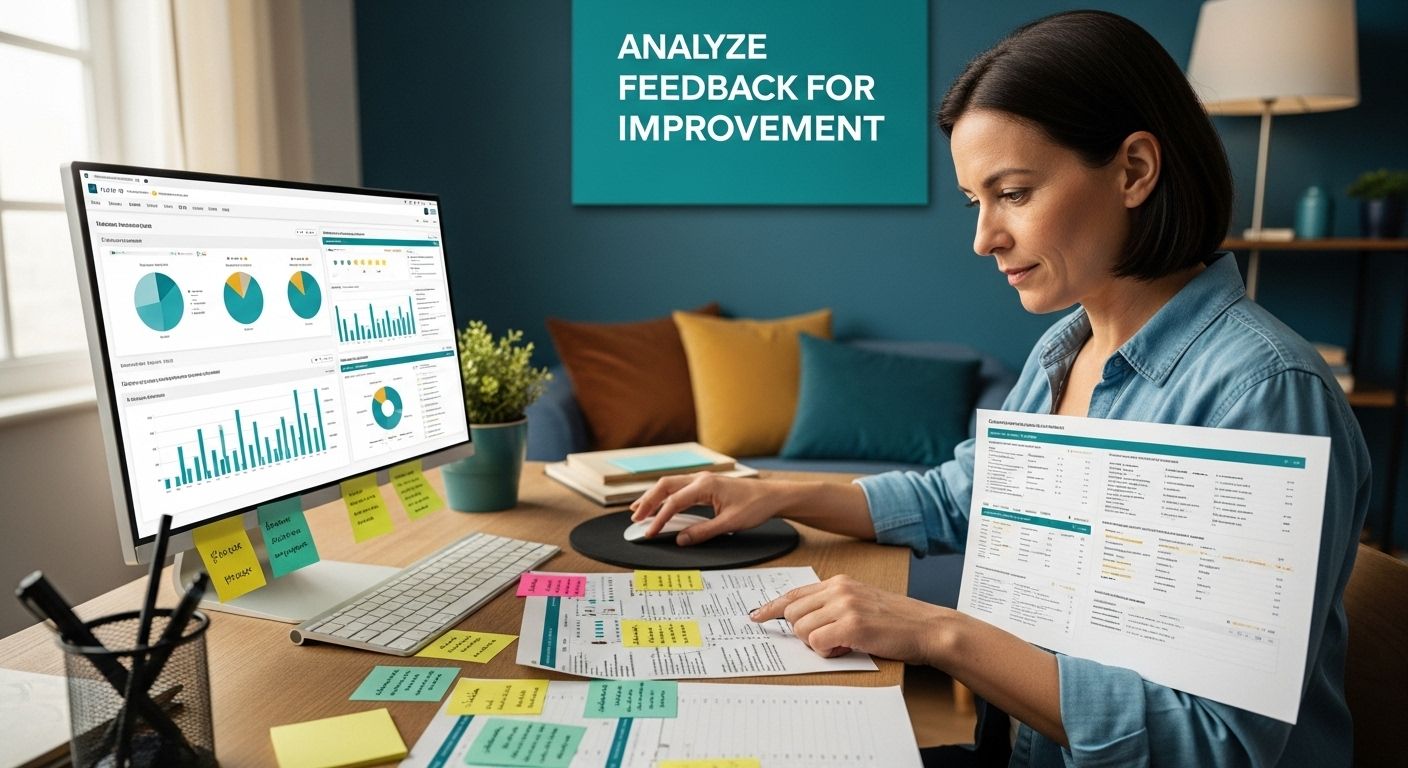
Transforming raw customer feedback into actionable business intelligence requires a strategic and systematic approach. Feedback analysis is not just about reading reviews, but extracting meaningful insights that can drive tangible operational improvements. This step moves beyond passive observation, turning customer comments into a powerful catalyst for business growth and enhanced customer experience.
According to research from Score.org, effective feedback analysis involves establishing clear goals and selecting key metrics that align with your business objectives. Begin by categorizing reviews into specific themes such as product quality, customer service, pricing, or user experience. Develop a structured method for quantifying qualitative feedback, assigning numerical values to sentiment and identifying recurring patterns that reveal deeper customer perceptions.
Establish a comprehensive feedback analysis framework that includes:
- Sentiment tracking across different review platforms
- Frequency analysis of specific customer complaints
- Comparative performance metrics between review periods
- Correlation between feedback and business key performance indicators
Invest in technology that can streamline your analysis process. Utilize advanced sentiment analysis tools and natural language processing software that can quickly parse large volumes of feedback, identifying nuanced insights human reviewers might miss. Create regular reporting intervals quarterly or bi-annually to track how changes implemented based on previous feedback have impacted customer satisfaction. This continuous improvement cycle transforms review management from a reactive task into a proactive strategy for business evolution.
Remember that true analysis goes beyond surface-level metrics. Look for underlying trends that might indicate systemic issues or emerging customer needs. Share insights across different departments, ensuring that marketing, product development, customer service, and leadership all understand and can act on the feedback received. By treating customer reviews as a strategic asset, you create a dynamic feedback loop that continuously refines your business approach and demonstrates your commitment to customer satisfaction.
Step 6: Verify Changes and Optimize Approach
Verification and continuous optimization represent the critical final stage of your online review management strategy. This step transforms your earlier insights into measurable improvements, ensuring that your efforts translate into tangible business results. Without systematic verification, even the most well-intentioned changes can become ineffective or misaligned with customer expectations.
Learn more about conducting comprehensive performance audits to refine your approach. Establish a structured evaluation process that compares key performance metrics before and after implementing changes. Track critical indicators such as average review ratings, response times, review volume, and sentiment scores across different platforms. Create a dashboard that provides a comprehensive view of your review management performance, allowing you to quickly identify trends and areas requiring further attention.
This is the work we do for you. Every week, without exception.
Managing GBP at this level takes 6–8 hours a week when done right. Nova handles the entire system — posts, photos, reviews, Q&A, citations, heatmap tracking — so you can focus on running your business.
Implement a robust verification framework that includes:
- Quarterly comprehensive review performance assessments
- Comparative analysis of review metrics across different time periods
- Customer satisfaction surveys to validate perceived improvements
- Cross-departmental feedback sessions to understand systemic impacts
Develop a flexible optimization strategy that can adapt to changing customer needs. Recognize that review management is not a static process but a dynamic, evolving approach. Schedule regular strategy review meetings where team members from different departments can discuss insights, share observations, and collaboratively develop improvement strategies. Encourage a culture of continuous learning where feedback is viewed as an opportunity for growth rather than criticism.
Remember that optimization is an ongoing process. Be prepared to experiment, measure results, and quickly pivot when certain strategies are not delivering the desired outcomes. Maintain transparency with your customers by periodically communicating the improvements you’ve made based on their feedback. This approach not only demonstrates your commitment to excellence but also encourages more constructive and engaged customer interactions in the future.
Transform Your Customer Feedback Into Real Business Growth
Worried about how online reviews shape your reputation and impact your bottom line? If managing reviews, analyzing feedback, and turning insights into measurable improvements feel overwhelming, you are not alone. The article showed just how critical it is to have a consistent review monitoring system and a proactive response strategy, but it also revealed the complexity and time required to do it right. Many businesses know firsthand that a single negative review left unaddressed can cause potential clients to look elsewhere.
Let our team handle the complexity for you. With advanced reputation solutions and AI review management tools, 12AM Agency helps you turn every review into an asset. We blend strategic audit, advanced sentiment analysis, and hands-on monitoring so you stay ahead of feedback trends and maintain customer trust. Want to see how these solutions align with your goals? Take the next step toward a strengthened digital reputation and real business results. Contact us today to get your custom strategy and start transforming your reviews into growth. Don’t wait for negative feedback to damage your credibility. Act now and secure your business’s future online.
Frequently Asked Questions
How can I assess my current online review landscape?
To assess your online review landscape, search your business name on major review platforms like Google, Yelp, and Facebook. Document every review, noting the tone and specific details. This will help you understand your strengths and weaknesses.
What tools can I use to monitor online reviews effectively?
You can use a combination of free and paid monitoring tools. Google Alerts is a good starting point, while more advanced platforms offer features like real-time alerts, sentiment analysis, and response tracking.
How should I respond to positive, neutral, and negative reviews?
For positive reviews, express gratitude and highlight what customers enjoyed. For neutral reviews, acknowledge concerns and invite further dialogue. For negative reviews, show empathy, offer solutions, and often take the conversation offline.
Why is it important to engage with customers regularly?
Regular engagement shows that you value customer feedback and are dedicated to improvement. This proactive approach fosters trust and opens up opportunities for enhancing your brand’s reputation.

