




Online reviews can make or break a business and broad surveys show that 93 percent of consumers say reviews shape their buying decisions. Most companies scramble to collect feedback but get stuck with a scattered, forgettable process. What surprises many is that the difference between invisible and unforgettable often comes down to a few simple review management steps almost no one gets right.
Table of Contents
- Step 1: Identify Your Review Goals
- Step 2: Choose the Right Review Platforms
- Step 3: Create a Review Request Strategy
- Step 4: Engage with Customers for Feedback
- Step 5: Monitor and Respond to Reviews
- Step 6: Analyze and Optimize Your Review Process
Quick Summary
| Key Point | Explanation |
|---|---|
| 1. Set Clear Review Goals | Define your objectives for collecting reviews to guide your strategy effectively. |
| 2. Choose Appropriate Review Platforms | Select platforms that align with your target audience for better engagement and visibility. |
| 3. Develop a Review Request Strategy | Create a systematic approach for asking customers for reviews soon after positive experiences. |
| 4. Engage Actively with Customer Feedback | Foster a dialogue by soliciting, valuing, and responding to customer insights transparently. |
| 5. Analyze and Optimize Review Processes | Regularly assess feedback to identify trends and implement actionable improvements in your service. |
Step 1: Identify Your Review Goals
Successful online review strategies start with crystal clear goals that align with your business objectives. Before diving into collection tactics, you need to map out precisely what you want to achieve through customer feedback. Are you seeking to improve overall brand perception, enhance local search visibility, or address specific service quality concerns?
Begin by conducting an internal audit of your current online reputation. Review your existing profiles across platforms like Google My Business, Yelp, Facebook, and industry-specific review sites relevant to your business sector. Assess your current star ratings, review volume, and sentiment. This diagnostic step provides a baseline understanding of where you currently stand and helps you set realistic, measurable goals.
Your review goals should be specific and strategic. Some businesses might prioritize increasing their total review count, while others focus on improving their average rating or responding more effectively to negative feedback. Learn how strategic review management can transform your digital presence and create a comprehensive approach tailored to your unique business needs.
Consider setting quantitative targets that are challenging yet achievable. For instance, a realistic goal might be increasing your Google rating from 3.8 to 4.2 stars within six months, or generating 25 new verified customer reviews across your primary platforms. Establishing clear metrics allows you to track progress and adjust your strategy systematically.
Key considerations when identifying review goals include understanding your industry standards, competitive landscape, and the specific platforms most critical to your target audience. A local restaurant will have different review priorities compared to a B2B software company. Tailor your approach to match your specific business context, ensuring that your review strategy feels authentic and aligned with your brand’s overall communication style.
The following table provides an overview of each key step for getting online reviews, including what the step achieves and its key action focus.
| Step | Key Outcome | Main Action Focus |
|---|---|---|
| Identify Review Goals | Clear direction and measurable targets | Audit current reviews and set specific objectives |
| Choose the Right Review Platforms | Optimized exposure to target audience | Select platforms based on business and audience |
| Create a Review Request Strategy | Increased review volume and engagement | Time requests, personalize, simplify submission |
| Engage with Customers for Feedback | Improved loyalty and actionable insights | Respond, show appreciation, use feedback systems |
| Monitor and Respond to Reviews | Enhanced reputation and customer trust | Track reviews, reply promptly, manage issues |
| Analyze and Optimize Review Process | Continuous business improvement | Audit, track metrics, translate feedback to action |
Step 2: Choose the Right Review Platforms
Selecting the most effective review platforms is crucial for capturing authentic customer feedback and maximizing your online reputation strategy. Not all review sites are created equal, and the right platforms can dramatically amplify your business visibility and credibility. Your choice depends on multiple factors including your industry, target audience, and specific business objectives.
Google My Business remains the gold standard for local businesses, offering unparalleled visibility in search results and Google Maps. However, depending on your specific sector, industry-specific platforms might offer more targeted engagement. Restaurants benefit from Yelp, while professional services might find more value in LinkedIn recommendations or specialized review sites like Clutch for B2B companies.
See exactly where your profile stands right now.
Our GBP audit shows your current rank position across your market, how your profile completeness scores against competitors, and the specific gaps holding you back from the Map Pack.
Learn how strategic reputation management can transform your digital presence and help you navigate platform selection effectively. Conduct thorough research to understand where your target customers are most likely to share and read reviews. For retail and service-based businesses, platforms like Facebook Reviews, Google, and industry-specific sites provide comprehensive coverage.
Consider the demographic and behavioral patterns of your ideal customer when selecting review platforms. Younger audiences might be more active on social media review sections, while professional services might find more credibility through LinkedIn or sector-specific review networks. Some businesses benefit from multiple platform strategies, spreading their review collection efforts across 2-3 key sites to maximize visibility and capture diverse customer perspectives.
Verify platform effectiveness by tracking key metrics like review volume, average rating, and engagement rates. A successful platform strategy isn’t just about quantity but about collecting high-quality, authentic feedback that genuinely reflects your business performance. Monitor your chosen platforms regularly, responding to reviews and continuously refining your approach based on customer interactions and platform performance.
Here is a summary table comparing the main online review platforms, their advantages, and which types of businesses typically benefit most from each platform.
| Platform | Main Advantage | Best for These Businesses |
|---|---|---|
| Google My Business | High local search visibility and broad reach | Local businesses, retail, services |
| Yelp | Trusted for restaurant and hospitality reviews | Restaurants, cafes, local services |
| Facebook Reviews | Large user base, easy sharing | Retail, local services, events |
| LinkedIn Recommendations | Professional credibility and networking | B2B, professional services |
| Industry-Specific Sites | Niche credibility and targeted audiences | B2B, automotive, healthcare, others |
| Clutch | Verified reviews for service providers and agencies | B2B, software, digital agencies |
Step 3: Create a Review Request Strategy
Developing a systematic approach to requesting customer reviews transforms passive feedback collection into a proactive reputation management technique. Your review request strategy must be intentional, respectful, and strategically timed to maximize positive response rates and authentic customer engagement.
Timing is critical when requesting reviews. The optimal moment is immediately after a positive customer interaction when their experience is fresh and emotions are most favorable. For service-based businesses, this might mean sending a review request within 24-48 hours of completing a project or service. Retail and product-based companies can include review prompts in post-purchase follow-up emails or packaging inserts.
Explore our comprehensive guide to reputation management strategies that can help refine your review collection approach. Personalization dramatically increases review submission rates. Craft review requests that feel individualized and genuine, addressing customers by name and referencing specific aspects of their recent interaction with your business.
Implement a multi-channel review request approach. While email remains effective, consider integrating SMS texts, direct links in digital communications, and QR codes created with tools like The QR Code Generator (TQRCG) so customers can quickly open the right review platform or feedback form. Make the review process incredibly simple by providing direct platform links and clear instructions. The easier you make it for customers to share their experiences, the more likely they are to complete a review.
Establish clear internal protocols for review requests. Train your team to understand the importance of timing, tone, and follow-up. Some businesses benefit from creating automated systems that trigger review requests based on specific customer interaction milestones. Develop a consistent workflow that ensures every positive customer interaction has the potential to generate valuable online feedback. Remember that authentic, unpressured review requests yield the most credible and helpful customer testimonials.
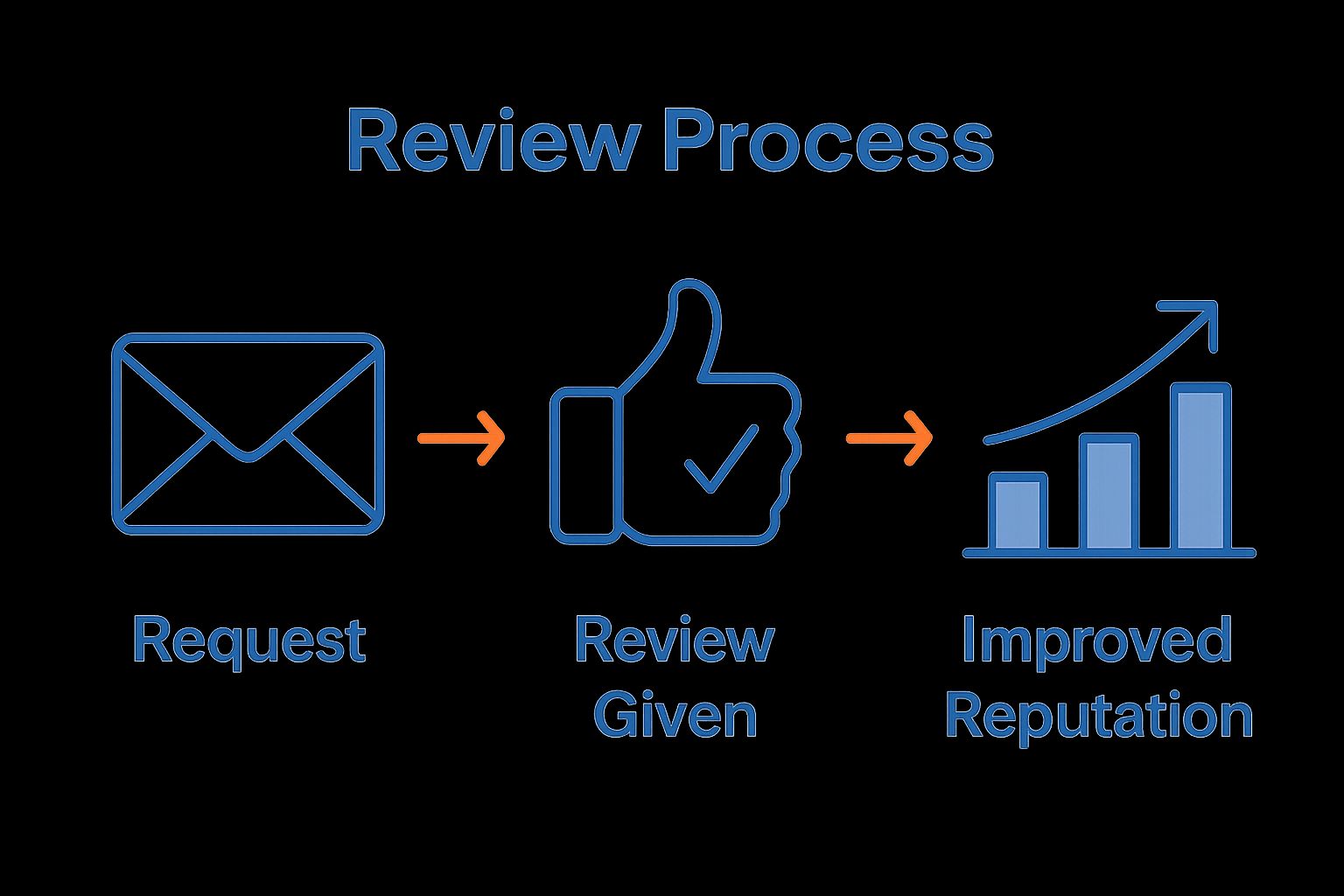
Step 4: Engage with Customers for Feedback
Customer feedback engagement transcends simply collecting reviews it represents a dynamic dialogue that demonstrates your commitment to continuous improvement and customer satisfaction. Active listening and genuine interaction are the cornerstones of a powerful feedback strategy that transforms casual customers into loyal brand advocates.
Develop a systematic approach to soliciting and responding to customer insights across multiple touchpoints. This means creating structured opportunities for customers to share their experiences beyond traditional review platforms. Implement post-service surveys, follow-up phone calls, and personalized email check-ins that invite honest, constructive feedback. The goal is to make customers feel their opinions are not just heard but genuinely valued.
Discover our specialized automotive reputation management techniques that can help businesses across industries refine their customer engagement strategies. When customers provide feedback, respond promptly and professionally. Acknowledge their input, express gratitude for their time, and demonstrate concrete steps you will take to address any concerns or suggestions. This approach transforms potential negative experiences into opportunities for relationship building and brand reputation enhancement.
Implement a closed-loop feedback system where every piece of customer input receives a thoughtful response. For negative reviews, craft personalized replies that show empathy, offer solutions, and invite further dialogue. For positive reviews, express genuine appreciation and highlight specific aspects of their experience that your team takes pride in. Transparent, empathetic communication builds trust and signals to potential customers that you are committed to exceptional service.
Establish internal protocols that prioritize feedback analysis and action. Regularly review customer insights as a team, identifying recurring themes, potential improvement areas, and opportunities to refine your service delivery. By treating customer feedback as a strategic asset rather than a passive collection of comments, you create a culture of continuous improvement that sets your business apart in a competitive marketplace.
Step 5: Monitor and Respond to Reviews
Effective review monitoring transforms online reputation management from a passive activity into a strategic business practice. Real-time tracking and thoughtful response mechanisms are critical for maintaining a positive digital presence that attracts and retains customers across multiple platforms.
Establish a comprehensive monitoring system that captures reviews across all relevant platforms. Utilize robust digital tools that provide consolidated dashboard views of your online reputation. These systems can send immediate alerts for new reviews, allowing your team to respond quickly and professionally. Many customer relationship management (CRM) and reputation management platforms offer automated tracking features that streamline this process, enabling businesses to stay ahead of potential reputation challenges.
Learn about our advanced reputation management strategies that can help you develop a sophisticated review monitoring approach. Develop clear internal protocols for review response, creating guidelines that ensure consistent, professional communication. Each team member should understand the importance of maintaining a unified brand voice while addressing customer feedback with genuine empathy and problem-solving intent.
Craft response templates that provide a structured yet personalized approach to review interactions. Negative reviews require especially careful handling. Acknowledge the customer’s experience, apologize for any shortcomings, and offer a concrete solution or invitation to discuss the matter further. For positive reviews, express authentic gratitude and highlight specific aspects of the customer interaction that demonstrate your commitment to exceptional service.
Implement a systematic review analysis process that goes beyond individual responses. Regularly review aggregated feedback to identify broader trends, potential service improvements, and recurring customer concerns. By treating reviews as valuable business intelligence, you transform customer feedback into a strategic tool for continuous improvement. Consistent, transparent engagement builds trust and signals to potential customers that your business is committed to exceptional customer experience and ongoing growth.

Step 6: Analyze and Optimize Your Review Process
Analyzing and optimizing your review process transforms raw customer feedback into a strategic business improvement framework. Systematic data analysis enables businesses to uncover insights that drive meaningful operational enhancements and build a more responsive customer experience.
Establish a comprehensive review analytics system that tracks key performance indicators beyond simple star ratings. Measure metrics such as review frequency, response time, sentiment trends, and the correlation between reviews and business outcomes. Pay close attention to the language customers use, identifying recurring themes in both positive and negative feedback that reveal deeper insights about your service quality, customer expectations, and potential improvement areas.
Discover how Google reviews can significantly impact your SEO strategy and understand the interconnected nature of online reputation management. Implement quarterly review process audits that involve a holistic examination of your feedback collection and response strategies. During these reviews, assess the effectiveness of your current approaches, identify bottlenecks in the review request and response workflow, and develop targeted improvements.
Create a feedback loop that connects review insights directly to operational improvements. When multiple customers highlight similar concerns or praise specific aspects of your service, translate these observations into actionable business strategies. Demonstrating that customer feedback drives tangible changes builds trust and encourages more customers to share their experiences.
This is the work we do for you. Every week, without exception.
Managing GBP at this level takes 6–8 hours a week when done right. Nova handles the entire system — posts, photos, reviews, Q&A, citations, heatmap tracking — so you can focus on running your business.
Utilize advanced analytics tools that provide sentiment analysis, comparative benchmarking against industry standards, and predictive insights. These technologies can help you understand not just what customers are saying, but the underlying emotional context of their feedback. By treating review analysis as a dynamic, continuous process of learning and adaptation, you position your business to continuously evolve and meet changing customer expectations with agility and precision.
Ready to Boost Your Reputation and Win More Customers?
Have you found it tough to earn consistent high-quality online reviews, or struggled to keep up with feedback on platforms like Google and Yelp? This article highlights how critical clear review goals, multi-platform strategies, and real-time responses are for building trust and driving new business. Yet, turning these best practices into real growth often feels overwhelming. If you want to stop missing out on valuable customer insights and start standing out from competitors, now is the time to act.
Our team at 12AM Agency can help you streamline every step of your online review strategy. Whether you need advanced reputation management solutions, help with Google My Business optimization, or industry-specific tactics trusted by leading franchises and local businesses, we’re here to guide you. Connect with us today to unlock custom tools and expert support designed to transform customer feedback into more leads and real growth. Don’t wait and let negative reviews linger. Reach out now and start building a reputation that fuels real business success.
Frequently Asked Questions
How can I set clear goals for my online reviews?
Establishing clear goals for your online reviews involves identifying what you want to achieve, such as improving your star rating or increasing review volume. Start by conducting an audit of your current reviews and determine specific, measurable targets such as increasing your rating from 3.8 to 4.2 stars within six months.
What are the best platforms to collect online reviews?
Choosing the right platforms for collecting online reviews depends on your industry and target audience. For local businesses, Google My Business is crucial, while restaurants might benefit from Yelp. Research where your customers actively share and read reviews to select 2-3 key sites for your strategy.
How should I request reviews from my customers?
When requesting reviews, time your requests soon after a positive interaction, such as within 24-48 hours of a service completion. Personalize your requests by addressing customers by name and referencing their specific experience to increase response rates.
What should I do if I receive negative reviews?
If you receive a negative review, respond promptly and empathetically by acknowledging the customer’s experience. Apologize for their dissatisfaction and provide a solution or an invitation to discuss the issue further; this can transform a negative experience into a positive conversation.
How can I analyze my review process for improvements?
Analyze your review process by tracking key metrics like review frequency and sentiment trends. Implement quarterly audits to assess what’s working and identify areas for improvement, guiding your business strategy based on customer feedback.
Why is it important to engage with customer feedback?
Engaging with customer feedback shows that you value their opinions and are committed to improvement. By actively responding to both positive and negative feedback, you can build trust and turn casual customers into loyal advocates for your brand.


