




Getting local leads is often seen as a numbers game. Yet most businesses overlook that setting a crystal clear target can increase qualified leads by up to 50 percent. Oddly enough, it is not just the size of your audience that matters but how well you actually know them and align your goals. The true secret is not casting the widest net but throwing your line where the right fish are already swimming.
Table of Contents
- Step 1: Define Your Target Audience And Goals
- Step 2: Optimize Your Online Presence For Local Search
- Step 3: Leverage Social Media To Engage Local Customers
- Step 4: Implement Local Seo Strategies To Attract Leads
- Step 5: Create Compelling Offers And Call-To-Actions
- Step 6: Monitor, Analyze, And Adjust Your Lead Generation Efforts
Quick Summary
| Key Point | Explanation |
|---|---|
| 1. Define your target audience clearly | Understand customer pain points and motivations to create detailed personas for effective targeting. |
| 2. Optimize digital presence for local search | Claim and enhance your Google Business Profile, ensuring accurate and complete information for potential customers. |
| 3. Create engaging social media content | Develop a content strategy that resonates with your local audience and encourages genuine interactions. |
| 4. Implement strong local SEO strategies | Focus on location-specific keywords and produce valuable content to improve your visibility in local searches. |
| 5. Monitor and adjust your strategies regularly | Use analytics tools to track performance metrics, allowing for continuous optimization of your lead generation approach. |
Step 1: Define Your Target Audience and Goals
Successfully generating local leads starts with a crystal clear understanding of who you want to reach and what specific outcomes you desire. Think of your target audience definition as the strategic foundation that will support your entire lead generation blueprint.
Begin by developing a comprehensive profile of your ideal customer. This goes far beyond basic demographics like age and location. You need to understand their pain points, motivations, purchasing behaviors, and the specific challenges they encounter in their business or personal life. Map out detailed personas that capture not just statistical data but the emotional drivers behind their decision making.
Learn more about strategic audience targeting through comprehensive market research techniques. Utilize tools like Google Analytics, social media audience insights, and customer surveys to gather nuanced information. Pay special attention to:
- Current customer base characteristics
- Behavioral patterns in purchasing
- Online engagement metrics
- Specific industry segment challenges
Parallel to audience definition, crystallize your lead generation goals with precision. These objectives must be specific, measurable, achievable, relevant, and time bound (SMART). Instead of vague aspirations like “get more customers,” articulate goals such as “acquire 50 qualified local leads within the next 90 days” or “increase conversion rate by 25% in our primary service category.”
Effective goal setting requires understanding your current performance baseline. Conduct a thorough audit of existing lead generation channels, tracking metrics like website traffic, conversion rates, and customer acquisition costs. This analysis provides a clear starting point and helps you set realistic, data driven objectives that align with your business growth strategy.
Remember that audience definition and goal setting are not one time activities but ongoing processes. Market dynamics shift, customer preferences evolve, and your targeting must remain adaptive and responsive to these changes. Regularly revisit and refine your audience personas and lead generation goals to maintain strategic relevance and competitive edge.
Step 2: Optimize Your Online Presence for Local Search
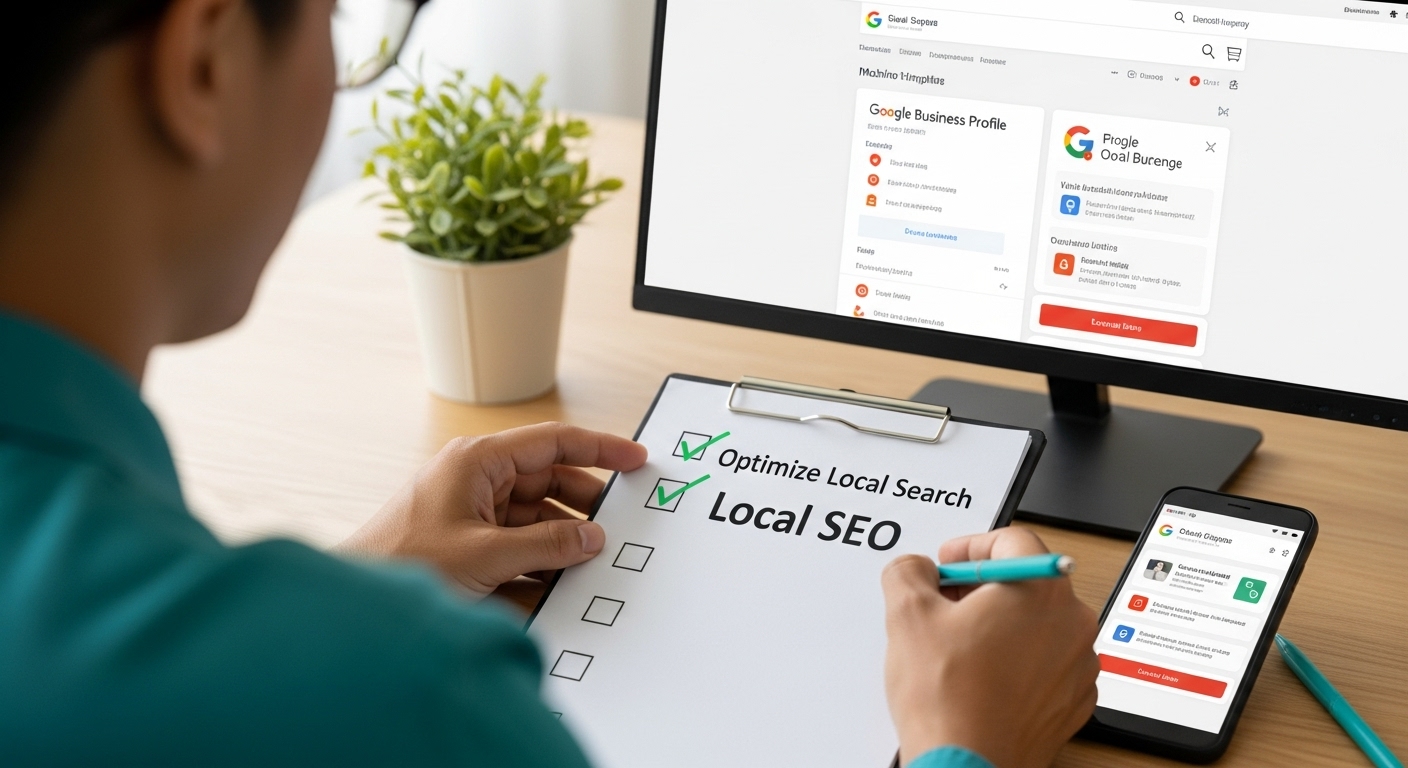
Optimizing your online presence for local search is the critical bridge between attracting potential customers and converting them into qualified leads. Your digital footprint must be strategically crafted to appear precisely when local customers are searching for services like yours.
Explore advanced local online marketing techniques that transform your digital visibility. Start by claiming and meticulously optimizing your Google Business Profile (GBP). This free tool acts as your digital storefront, providing potential customers immediate access to crucial information like business hours, contact details, service offerings, and customer reviews. Ensure every detail is accurate, complete, and consistently matches information across all online platforms.
Website optimization represents another fundamental component of local search success. Your website must be mobile responsive, load quickly, and include location specific keywords that align with how local customers actually search. Embed your business address, service area, and local contact information prominently. Implement structured data markup to help search engines understand and display your business information more effectively.
See exactly where your profile stands right now.
Our GBP audit shows your current rank position across your market, how your profile completeness scores against competitors, and the specific gaps holding you back from the Map Pack.
Customer reviews function as powerful social proof and significantly impact local search rankings. Develop a systematic approach to collecting and managing reviews across platforms like Google, Yelp, and industry specific review sites. Encourage satisfied customers to share their experiences, respond professionally to all reviews (both positive and negative), and demonstrate your commitment to customer satisfaction.
Key verification criteria for successful local search optimization include:
- Consistent NAP (Name, Address, Phone) information across all online directories
- Minimum of 10 verified Google Business Profile reviews
- Mobile page load time under 3 seconds
- Location specific content on website
- Active management of online business listings
Remember that local search optimization is not a one time task but an ongoing process. Search algorithms continuously evolve, and maintaining a dynamic, responsive online presence requires regular monitoring and strategic updates.
Below is a checklist table to help ensure your local search optimization efforts cover all essential verification criteria discussed in this section.
| Verification Step | Description |
|---|---|
| Consistent NAP Info | Ensure Name, Address, Phone are identical across all online directories. |
| Sufficient Google Business Profile Reviews | Have at least 10 verified reviews on your GBP for credibility. |
| Mobile Page Load Time | Confirm website loads in under 3 seconds on mobile devices. |
| Location-Specific Website Content | Include relevant content that targets your local area and keywords. |
| Active Listings Management | Regularly manage and update business listings on all platforms. |
| Structured Data Markup | Implement markup to help search engines display your business information accurately. |
| Customer Review Management | Develop a process to collect, respond, and manage online customer reviews. |
Treat your digital footprint as a living asset that demands consistent attention and refinement.
Step 3: Leverage Social Media to Engage Local Customers
Social media transforms from a casual communication platform to a powerful lead generation engine when strategically approached for local businesses. Your goal is to create meaningful digital connections that convert followers into potential customers.
Discover cutting edge local marketing strategies that extend beyond traditional posting. Focus on developing a content strategy that reflects your local community’s unique characteristics and addresses specific customer pain points. This means creating posts that aren’t just generic business promotions but genuine conversations that resonate with your target audience’s daily experiences.
Platform selection matters critically. While Facebook and Instagram remain powerful, consider the specific demographics and behaviors of your target market. A home services business might find more engagement on Facebook, whereas a design studio could thrive on Instagram or Pinterest. Tailor your content and posting frequency to match each platform’s strengths and your audience’s preferences.
Local engagement requires more than passive content. Actively participate in community discussions, respond promptly to comments and messages, and showcase your business’s personality. Share behind the scenes glimpses, highlight local partnerships, and create content that positions your brand as an integral part of the community ecosystem. User generated content and local customer testimonials can significantly boost credibility and attract potential leads.
Key metrics to track social media lead generation effectiveness include:
- Engagement rate (likes, comments, shares)
- Click through rates on promotional posts
- Direct message inquiries
- Website traffic from social media channels
- Conversion rate of social media followers to leads
Consistent, authentic social media presence is not about overwhelming followers with constant posts but delivering strategic, high value content that establishes trust and demonstrates your expertise. Think of each post as an opportunity to solve a problem, answer a question, or provide genuine value to your local community. By positioning your brand as a helpful, approachable resource, you transform social media from a marketing channel into a lead generation powerhouse.
Step 4: Implement Local SEO Strategies to Attract Leads
Local SEO represents the strategic roadmap that transforms your digital presence from invisible to irresistible for potential customers in your geographic area. Your objective is to position your business as the most relevant, trustworthy solution when local customers search for services you provide.
Explore advanced local SEO techniques that go beyond basic keyword optimization. Begin by conducting comprehensive keyword research focused specifically on local search terms. This means identifying not just industry keywords, but location specific phrases that reflect how your target audience actually searches. For instance, instead of using generic terms like “plumbing services,” optimize for “emergency plumber in [Your City]” or “residential plumbing repair near [Neighborhood Name]”.
Content creation becomes your primary vehicle for local SEO success. Develop location targeted content that demonstrates deep understanding of your community’s unique needs. This could include neighborhood specific blog posts, local event coverage, case studies featuring local clients, or detailed guides addressing region specific challenges. Each piece of content should naturally incorporate your researched local keywords while providing genuine value to your potential customers.
Building a robust local backlink profile is crucial for establishing search engine credibility. Seek opportunities to generate high quality local backlinks through community partnerships, local business associations, chamber of commerce memberships, and sponsorships. These connections not only improve your search rankings but also enhance your local reputation and networking opportunities.
Key local SEO performance indicators include:
- Number of page one local search rankings
- Google Business Profile visibility
- Local keyword search position improvements
- Organic website traffic from local searches
- Conversion rate of local search visitors
Remember that local SEO is an ongoing process of refinement. Search algorithms continuously evolve, and your strategy must remain adaptive. Regularly audit your local search performance, track your rankings, and be prepared to adjust your approach based on emerging trends and changing local market dynamics. Treat local SEO as a dynamic, living strategy that requires consistent attention and strategic evolution.
Step 5: Create Compelling Offers and Call-to-Actions
Your lead generation strategy hinges on creating irresistible offers that transform casual interest into committed engagement. Compelling offers are the critical bridge between attracting potential customers and converting them into qualified leads.
Discover strategic lead generation techniques that go beyond generic promotions. Craft offers that solve specific problems for your target audience, demonstrating immediate value. This means developing resources like free consultations, diagnostic assessments, downloadable guides, or exclusive local discounts that directly address the pain points you identified in your audience research.
Call-to-action (CTA) design requires strategic psychological positioning. Your CTAs must be visually striking, using contrasting colors and clear, action oriented language that creates a sense of urgency. Instead of passive phrases like “Learn More,” use compelling directives such as “Claim Your Free Local Consultation Now” or “Unlock Exclusive Neighborhood Discount.” Place these CTAs strategically across your digital platforms – website headers, blog posts, social media profiles, and email signatures.
Personalization transforms generic offers into targeted lead magnets. Leverage the demographic and behavioral data you’ve collected to create hyper relevant offerings. A home services business might offer a “Free Winter Home Maintenance Checklist” for homeowners, while a fitness studio could provide a “30-Day Local Fitness Challenge” tailored to community fitness levels.
Key elements of high converting offers include:
- Clear and immediate value proposition
- Time sensitive or limited availability
- Minimal friction in the conversion process
- Specific targeting based on audience segments
- Measurable conversion tracking mechanisms
Constantly test and refine your offers. What resonates today might become less effective tomorrow. Implement A/B testing on different offer formats, CTA language, and visual designs. Track conversion rates meticulously, be willing to pivot quickly, and view each offer as an evolving experiment in understanding your local market’s evolving needs and preferences.
Step 6: Monitor, Analyze, and Adjust Your Lead Generation Efforts
Successful lead generation is not a set-it-and-forget-it strategy but a dynamic, continuous process of measurement and refinement. Your ability to track, interpret, and rapidly respond to performance data will determine the long-term effectiveness of your local lead generation approach.
Explore advanced lead generation analytics techniques that transform raw data into actionable insights. Implement a comprehensive tracking system using tools like Google Analytics, Google Search Console, and platform specific analytics from social media and CRM platforms. These tools will provide granular insights into how potential customers interact with your digital assets, revealing critical patterns in user behavior, engagement rates, and conversion pathways.
Establish a robust set of key performance indicators (KPIs) that go beyond surface level metrics. While website traffic and social media followers are important, focus on metrics that directly correlate with lead generation quality. Track conversion rates, cost per lead, lead source effectiveness, and the actual revenue generated from each lead.
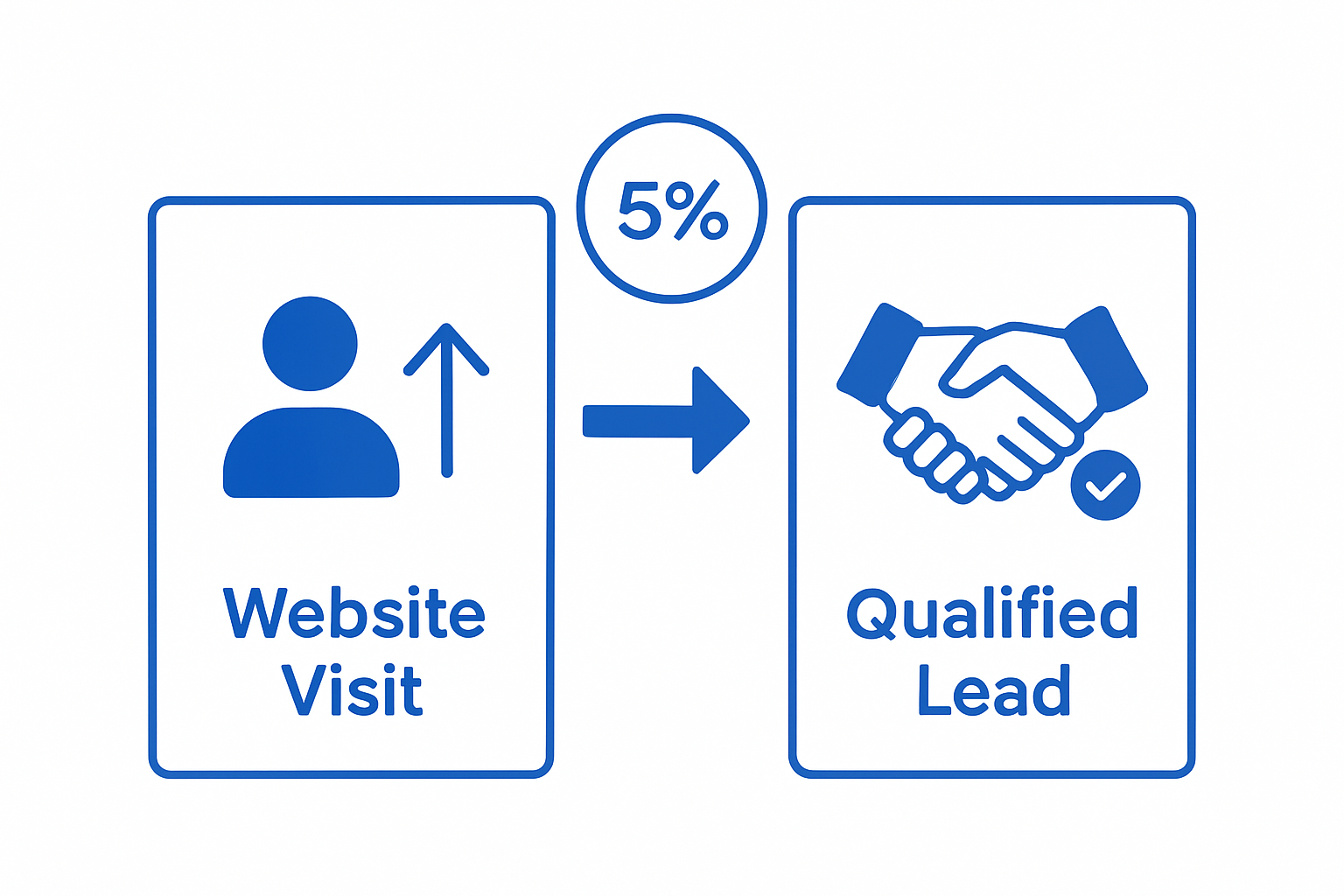 This means creating a holistic view that connects marketing efforts directly to business revenue, allowing you to invest resources in the most productive channels.
This is the work we do for you. Every week, without exception.
Managing GBP at this level takes 6–8 hours a week when done right. Nova handles the entire system — posts, photos, reviews, Q&A, citations, heatmap tracking — so you can focus on running your business.
Regular performance reviews are crucial. Schedule monthly or quarterly deep dive sessions to analyze your lead generation ecosystem. During these reviews, critically examine which strategies are delivering the highest return on investment, which channels are underperforming, and where potential optimization opportunities exist. Be prepared to pivot quickly, reallocating budget and effort from low performing tactics to those showing measurable success.
Essential analytics tracking components include:
- Conversion rate by lead source
- Average lead acquisition cost
- Lead to customer conversion percentage
- Customer lifetime value
- Channel specific engagement metrics
Remember that data interpretation requires both quantitative analysis and qualitative understanding. Numbers tell a story, but they don’t always reveal the complete narrative. Supplement your analytics with direct customer feedback, sales team insights, and periodic market research to ensure your lead generation strategy remains adaptive and aligned with evolving customer needs.
The table below organizes essential lead generation analytics and what each metric reveals about your strategy effectiveness, helping you guide ongoing optimization.
| Analytics Metric | What It Indicates |
|---|---|
| Conversion Rate by Lead Source | Which channels provide the most qualified leads and best conversions. |
| Average Lead Acquisition Cost | The average investment required to obtain a new lead. |
| Lead to Customer Conversion % | The portion of leads that ultimately become paying customers. |
| Customer Lifetime Value | Revenue a typical customer generates over the duration of their relationship. |
| Channel Specific Engagement Metrics | Effectiveness and engagement levels for each digital marketing channel. |
| Source Effectiveness | Identifies which campaigns or platforms drive high-quality leads. |
Ready to Transform Local Leads Into Lasting Business Growth?
Struggling to turn local interest into real customers can be overwhelming. Maybe your Google Business Profile is not driving calls, or your online footprint does not match what your local audience is searching for. If you crave more qualified leads from your community and want to stop missing out to competitors, it is time for a fresh approach. By aligning your audience targeting, local SEO, and compelling calls-to-action, you can create a local lead generation engine that truly supports your goals. Dive deeper into strategic audience targeting and experience how proven digital marketing strategies can move the needle for your business.
Do not let today’s opportunities slip away. The team at 12AM Agency customizes proven search, social, and AI-driven lead generation strategies perfectly matched to your business and industry. If you are ready for a partner who backs up every promise with actual results, reach out for a free strategy consultation now at Contact Us. Together we can boost your qualified leads and unlock powerful local business success.
Frequently Asked Questions
What is the first step to generating local leads?
To effectively generate local leads, the first step is to define your target audience and goals. This includes creating detailed customer profiles that capture demographics, pain points, and motivations, as well as setting specific, measurable, achievable, relevant, and time-bound (SMART) objectives.
How can I optimize my online presence for local search?
You can optimize your online presence for local search by claiming and optimizing your Google Business Profile, ensuring your website is mobile responsive, and including location-specific keywords. Additionally, manage customer reviews and maintain consistent NAP (Name, Address, Phone) information across online directories.
What role does social media play in local lead generation?
Social media can be a powerful tool for local lead generation. By developing a tailored content strategy that engages your local community, participating in discussions, and showcasing your brand’s personality, you can build trust and transform followers into potential customers.
How do I monitor and analyze my lead generation efforts?
To monitor and analyze your lead generation efforts, implement a comprehensive tracking system using tools like Google Analytics and platform-specific analytics. Establish key performance indicators (KPIs) that focus on conversion rates, cost per lead, and lead source effectiveness for actionable insights.
Recommended
- How SEO Companies Can Generate More Leads: A Step-by-Step Guide | 12AM Agency
- Local Online Marketing Near Me: Strategies to Drive Revenue | 12AM Agency
- Top Local Business Marketing Ideas for 2025 Growth | 12AM Agency
- Local Business Branding: Stand Out with These Proven Strategies | 12AM Agency


