


Every brand’s feed looks a little too familiar right now. Same pacing, same stock-feeling visuals, same generic hook in the first two seconds. That’s the actual cost of the AI content boom, not that AI content looks bad, but that so much of it looks exactly the same, which is exactly why more marketing teams are using Higgsfield and rethinking how they use AI Video Generator, not as a shortcut to more content, but as a way to produce video that still looks like it came from somewhere specific.
This isn’t an argument against AI content. It’s an argument against using AI to produce the median instead of something distinct. Those are very different outcomes from the same technology, and the gap between them is where brands are actually winning or losing attention right now, especially in video, where the sameness problem is easiest to spot and hardest to hide from.
Why Has “Good Enough” Content Stopped Being Good Enough?
The barrier to producing content dropped to nearly zero over the past two years, and that changed the competitive landscape more than most marketing teams initially realized. When everyone can generate a passable video or blog post in minutes, passable stops being a differentiator. It becomes the baseline every competitor clears without effort, which means standing out now requires something beyond simply having content at all.
This shows up clearly in video specifically. A brand posting technically fine but visually forgettable AI generated clips isn’t losing to brands with bigger budgets anymore. It’s losing to brands that made a handful of deliberate creative choices instead of accepting whatever the tool produced by default, whether that tool is Higgsfield or any other AI video platform.
What’s Actually Happening When AI Content Starts to Feel the Same?
There’s a real, structural reason AI generated content tends to converge toward sameness. These tools are trained to produce statistically likely output, which means left on default settings, they naturally pull toward the center of everything they’ve seen rather than toward something distinctive. The unexpected choices, an unusual pacing decision, a specific visual style, a deliberate imperfection, are exactly what gets smoothed away when a tool is used to produce as much content as possible as quickly as possible.
See exactly where your profile stands right now.
Our GBP audit shows your current rank position across your market, how your profile completeness scores against competitors, and the specific gaps holding you back from the Map Pack.
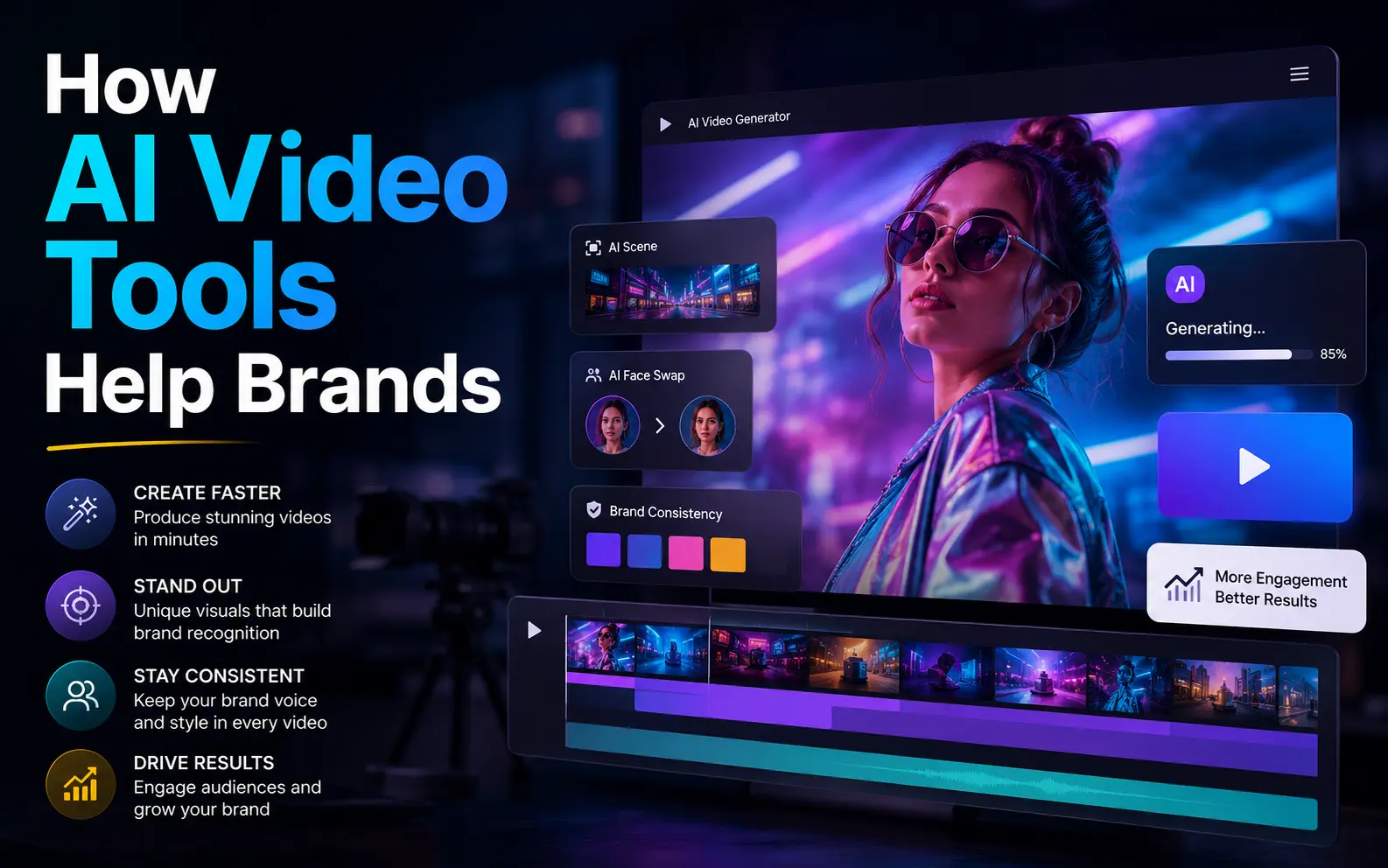
That’s not a reason to avoid AI video tools. It’s a reason to use them with actual creative direction rather than accepting the first generation as finished. The brands successfully standing out right now are using AI to execute a specific creative vision faster, not to skip having a vision in the first place, and consistency features like ai face swap only help when they’re serving a deliberate visual identity rather than replacing one.
What Does This Mean Specifically for Video Content?
Video is where this problem shows up fastest, since short form platforms reward volume and consistency, which pushes teams toward producing more content, faster, often at the expense of anything that makes a specific piece memorable. A brand generating dozens of AI video clips a month without a consistent visual identity or presenter ends up with a feed that technically has a lot of content and very little that anyone actually remembers.
This is a genuinely different problem than not having enough video. Most brands solved the volume problem already. The harder, more valuable problem now is producing volume that still looks like it belongs to one specific brand rather than to the tool that made it.
How Are Brands Actually Using AI Video Tools to Stand Out Rather Than Blend In?
The pattern among brands getting real differentiation from AI video tools looks different from just generating more content.
- Locking in a consistent visual identity across every generated video, camera style, color grading, pacing, so the output reads as one brand’s work rather than a generic template.
- Using a consistent on-camera presenter or spokesperson, keeping that person recognizable across every video through ai face swap rather than a rotating cast of AI generated faces that never build recognition.
- Directing specific camera and motion choices instead of accepting whatever a default generation produces, the same deliberate choice a human director would make on a traditional shoot.
- Treating the first generation as a draft, not a final product, iterating toward something distinctive rather than publishing the first output because it technically works.
- Building video series with genuine visual continuity, so a viewer recognizes a brand’s content within the first second, before a logo or caption ever appears.
- Repurposing existing footage with a consistent presenter, using ai face swap to bring an older piece of content in line with a current campaign’s face rather than reshooting from scratch every time a spokesperson or campaign focus changes.
Between these approaches, the difference isn’t the underlying model doing the generating. It’s whether a team is directing the output or just accepting it.
Is This Really Different From What Brands Have Always Had to Do?
Not entirely, and that’s actually the useful reframe here. Standing out has always required deliberate creative decisions rather than default output, that’s true whether the tool is a camera, a design template, or an AI video generator. What’s changed is how many more brands are now capable of producing technically competent content, which means the deliberate creative decisions matter more, not less, than they did when production itself was the bottleneck.
Some brands have responded to this by leaning hard into human-only production as a differentiator; Dove’s public 2024 commitment to never use AI generated women in its advertising is a well known example of a brand competing on authenticity rather than production speed. That’s one valid strategy. For most brands, the more practical path is using AI deliberately rather than avoiding it, which is where actual creative direction inside the tool, including consistency features like ai face swap, starts to matter.
What Should a Marketing Team Look for in an AI Video Tool to Avoid the Generic Trap?
Not every AI video tool is built to support distinctive, on-brand output by default.
Real Camera and Motion Control, Not Just a Prompt Box
A tool that only takes a text prompt and returns whatever it decides is closest to that description leaves too much to chance. Higgsfield’s Cinema Studio gives control over camera angle, lens, and motion before generation, which is the difference between directing a shot and gambling on one. This is one of the more practical reasons marketing teams settle on Higgsfield rather than a tool that only offers a single generic generation mode.
Consistency Across an Entire Campaign, Not Just One Clip
A single good clip doesn’t build brand recognition. Higgsfield’s first and last frame reference feature locks a starting and ending point so a whole batch of videos holds together visually, and ai face swap extends that same consistency to a specific presenter across every piece of content in a campaign. This is the part of the workflow that turns a batch of separately generated clips into something that actually reads as a coherent campaign.
Access to Multiple Models for Different Creative Needs
Different content needs different strengths, a cinematic brand film and a fast social clip don’t benefit from the same underlying model. Higgsfield’s access to Kling 3.0, Veo 3.1, Sora 2, and Seedance 2.0 in one workspace means a team isn’t locked into one look for every kind of video they need, which matters when a single campaign needs both a polished hero video and a batch of faster social variants.
Where Does Higgsfield Fit Into a Brand’s Content Differentiation Strategy?
Higgsfield operates as a broader AI creative suite rather than a single-purpose video tool, though its video generation capabilities are the specific focus of this piece. For a marketing team trying to avoid the sameness problem, that breadth matters: the same workspace that handles video generation also supports the consistency tools, Cinema Studio’s camera control, Soul style identity locking, and ai face swap, that actually separate distinctive content from generic output.
For campaigns built around a consistent brand presenter, whether that’s an actual spokesperson or a recurring on-camera personality, ai face swap keeps that person recognizable across every video in a series, which is one of the more reliable ways to build the kind of visual continuity that makes a brand’s content actually identifiable in a crowded feed. Higgsfield also offers a free tier to start, which is typically how a marketing team ends up testing a real campaign before deciding whether the workflow becomes a standing part of their content production process.
Generic AI Video Output vs Directed AI Video Output
| Approach | What It Produces | Result |
| Default, undirected generation | Technically fine, visually forgettable clips | Blends into a feed full of similar content |
| Directed generation with consistency tools | Camera-controlled, ai face swap consistent, on-brand video | Recognizable, builds actual brand recall |
| No AI video use at all | Fewer videos, higher per-video cost | Falls behind on volume competitors now expect |
What Are the Risks of Using AI Video Tools the Wrong Way?
This is the work we do for you. Every week, without exception.
Managing GBP at this level takes 6–8 hours a week when done right. Nova handles the entire system — posts, photos, reviews, Q&A, citations, heatmap tracking — so you can focus on running your business.
The clearest risk is treating AI video generation as a volume solution rather than a creative one. A brand that measures success by how many videos it publishes rather than how distinctive they are ends up exactly where this whole problem started, technically present, but indistinguishable from every other brand using the same default settings, whether that’s Higgsfield or any comparable platform used without real creative direction.
A second risk is overusing ai face swap or any single visual approach across so much content that it starts to feel as templated as the generic AI content it was meant to stand apart from. Consistency is the goal. Repetition without any creative variation defeats the purpose.
Frequently Asked Questions
Will using AI video tools make my brand’s content look generic like everyone else’s?
Only if it’s used with default settings and no creative direction. Consistent camera control, a locked visual identity, and features like ai face swap for presenter continuity, the kind of tools Higgsfield builds its workspace around, are what separate distinctive AI generated content from the generic version of the same technology.
Is ai face swap a legitimate branding tool, or just a novelty feature?
For brand content specifically, ai face swap solves a real problem: keeping a consistent spokesperson or presenter recognizable across a high volume of video content without rebooking that person for every single piece.
Do I need a video production background to direct AI video tools effectively?
No, but understanding basic creative direction, camera angle, pacing, visual consistency, helps considerably. The tool, whether that’s Higgsfield or a comparable platform, executes the technical work, including ai face swap when a project calls for it. Someone still needs to make the creative decisions that keep output from defaulting to generic.
How much does it cost to start testing this approach?
Higgsfield offers a free tier to start, enough for a marketing team to test a real campaign’s worth of consistent, directed video content, including a first attempt at ai face swap for presenter continuity, before committing to a paid plan.
Final Thoughts: The Differentiation Problem Isn’t Going Away
The brands winning attention in 2026 aren’t the ones publishing the most AI generated content. They’re the ones using these tools with enough creative direction that their content still looks like it came from somewhere specific. An AI Video Generator like Higgsfield’s gives a marketing team the production speed AI promised in the first place, camera control, model variety, and consistency through ai face swap, without requiring every brand to accept the same generic default that’s making so much of the internet start to look the same. The tool was never the differentiator. The direction behind it always was, and that’s exactly what a platform like Higgsfield is built to support rather than replace. The fact you should know why volume alone no longer wins in content marketing, see our earlier piece on the content saturation problem and standing out when everyone is publishing more.

