




B2B SaaS is probably one of those industries where you can find countless opportunities to dominate traditional search engines and boost AI visibility across LLMs such as ChatGPT or Gemini.
In this guide, we’ve put together 10 B2B SaaS SEO strategies, tips, and best practices to help you grow your software and compete with industry giants without seeming like a newborn.
If you’re looking for SEO services, contact our agency today.
1. Customer-Language Keyword Research
Traditional keyword research tools like Ahrefs or SEMrush are a great starting point, but when it comes to B2B SEO, they miss a lot of the customer language that drives buying decisions, says Ashot Nanayan, CEO and founder of a B2B SEO agency.
Many of the most valuable search terms, he continues, never appear with measurable search volume, which is why you need to go beyond the usual toolset.
One of our favorite places to uncover hidden demand is G2. Buyers there describe software in their own words, phrases like “time tracking tool that integrates with Jira” or “invoice generator with approval workflows.”
Go to G2 and find the category your SaaS belongs to (e.g., “Marketing Automation,” “Cloud Security,” “Project Management”).
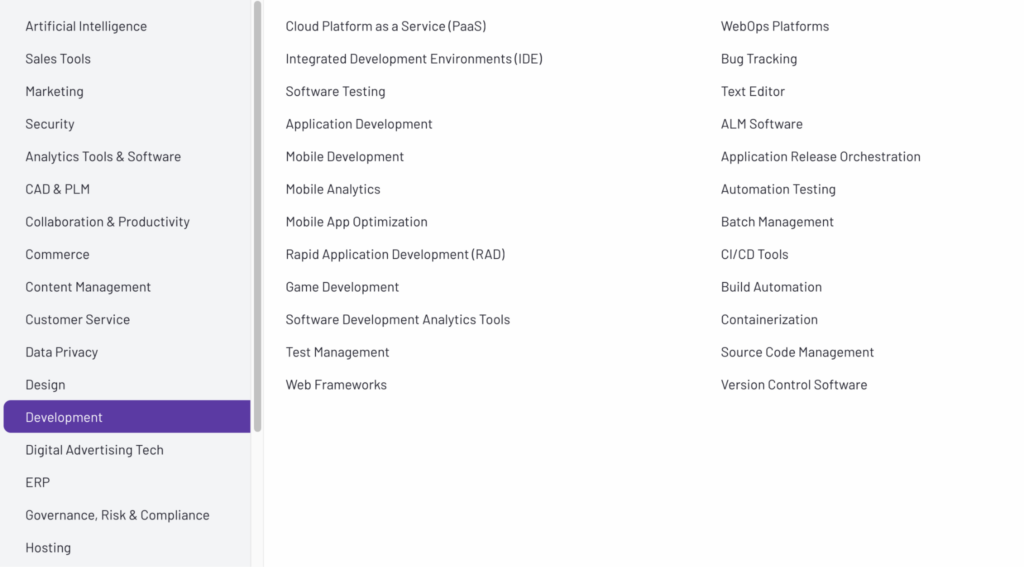
These long-tail, conversational queries often don’t appear in SEO tools, yet they map directly to pain points and purchase intent.
We usually scan the “Cons” or “Alternatives Considered” sections of reviews because that’s where customers reveal what’s missing, which makes for perfect angles for programmatic SaaS SEO.
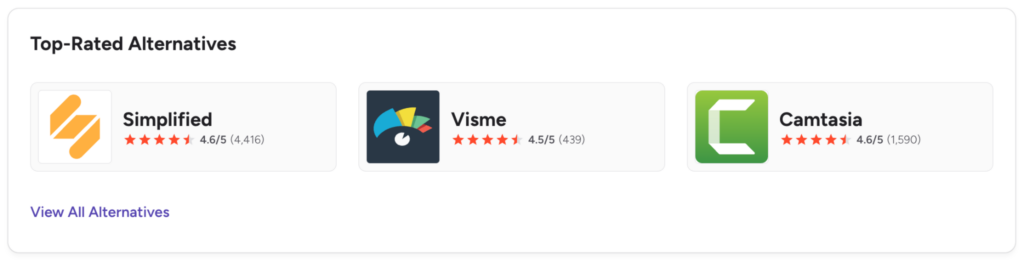
Clutch works similarly, but we use it more for service-oriented SaaS. In reviews, clients often phrase their needs differently from how vendors market themselves.
If you spot recurring themes, like “easy onboarding” or “strong security compliance,” those become powerful modifiers for SaaS keyword clusters.
They may not show in Ahrefs, but many of them bring qualified traffic once you build pages around them.
Forums like Reddit and Quora are also great for keyword research. The trick isn’t to type your product category and read answers; it’s to track how prospects phrase frustrations.
For example, in the screenshot below, we filtered Reddit queries from the past month and found hundreds of low-hanging fruit.
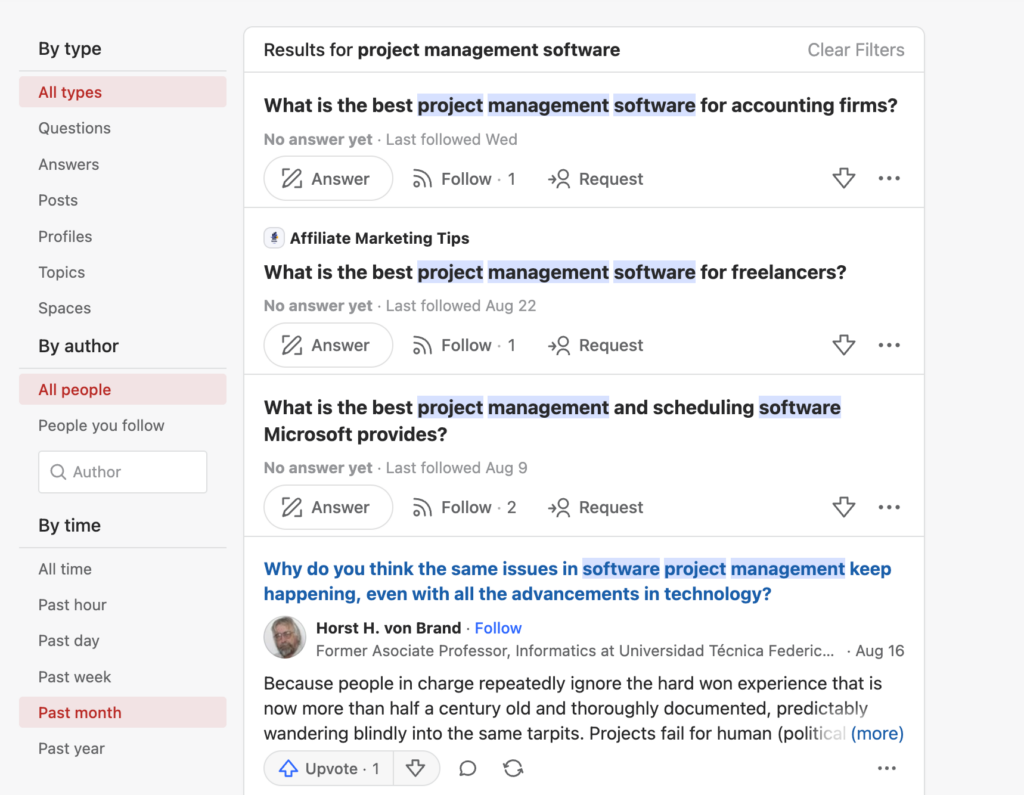
These aren’t high-volume queries in tools, but they reveal the intent you can own. Reddit questions often point to use-case clusters, and we sometimes take entire programmatic campaigns out of one strong discussion thread.
See exactly where your profile stands right now.
Our GBP audit shows your current rank position across your market, how your profile completeness scores against competitors, and the specific gaps holding you back from the Map Pack.
AnswerThePublic is another overlooked resource, but you need to treat it as a seed generator, not a keyword list. For B2B SaaS, we filter queries down to “with” or “for” modifiers, because that’s where integration and role-based opportunities appear.
A query like “CRM with WhatsApp integration” or “HR software for small construction firms” may show no volume, but it represents real demand that traditional tools undercount.
2. Build Industry-Specific SEO Funnels
Before we jump into the details, I would like to make sure you know what an SEO funnel is. In simple words, an SEO funnel is the process of guiding a prospect from awareness through consideration to decision using content that matches their stage in the buying journey.
For B2B SaaS SEO, this is one of the most effective strategies because the sales cycles are longer, decision-makers are cautious, and most purchases involve multiple stakeholders.
In practice, an industry-specific SEO funnel means tailoring your funnel stages to the unique pain points and vocabulary of each vertical you serve.
Take a project management SaaS, for example. At the top of the funnel (awareness), you might publish content like “Best Ways to Manage Client Projects in Marketing Agencies.”
At the middle of the funnel (consideration), you’d create comparison pages such as “Asana vs. [Your SaaS] for Creative Agencies.” At the bottom of the funnel (decision), you’d craft landing pages like “Project Management Software for Marketing Agencies” with testimonials and feature demos.
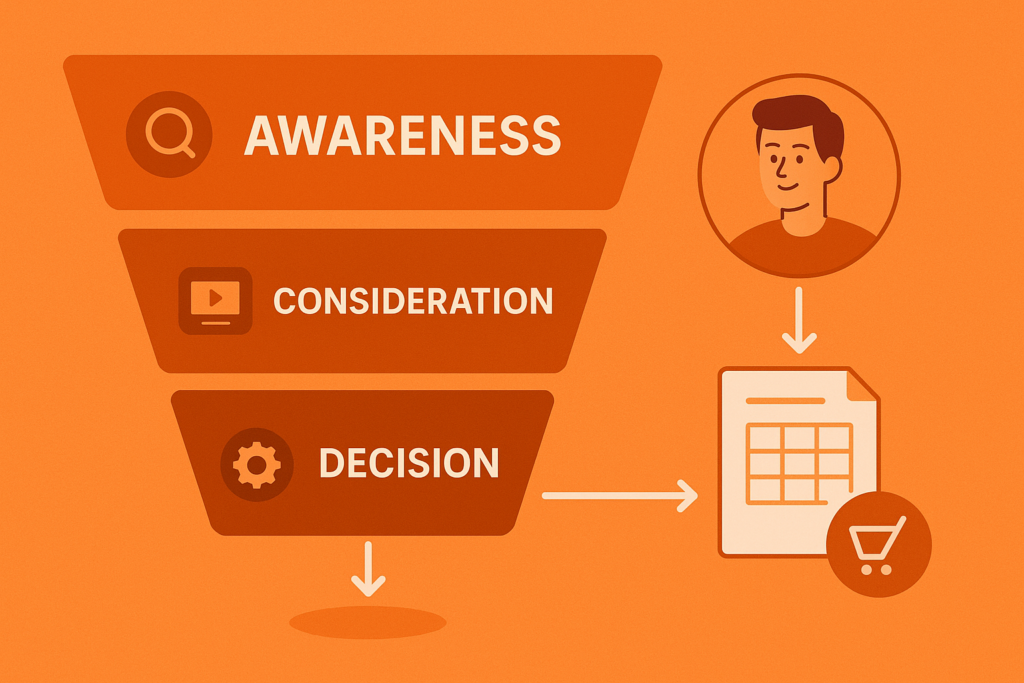
Each stage uses industry-specific phrasing that speaks directly to the audience, making it feel like your product was built for them.
Best practices for SaaS SEO funnels include aligning keyword research with each funnel stage (TOFU, MOFU, BOFU), mapping them into structured content hubs, and making sure that internal linking clearly pushes users downward through the funnel.
The nuance here is that most SaaS companies build generic funnels (“awareness blogs → comparison pages → demo request”), but the winners build funnels for each target vertical.
That means ten or twenty smaller funnels that speak directly to each industry you serve, instead of one generic funnel for everyone.
3. Develop Free Tool / Calculator Pages for Lead Generation
One of our favorite tricks in B2B SaaS SEO is building free tools or calculators (Today, it’s very easy with Lovable). They’re simple, they’re useful, and honestly, they punch way above their weight.
We’ll give you an example. One of our favorite SaaS plays is the “email deliverability tester.” You type in your details, click a button, and boom, you find out if your emails are landing in spam. Simple, useful, and instantly shareable.
Many marketers send these links to each other on Slack, agencies drop them into reports, and even competitors start linking because it’s really handy. So, yeah, first of all, it’s a great linkable asset.
However, when someone uses your tool, you don’t just give them the result and say goodbye. You show them the next step: unlock a detailed report with an email sign-up, or test-drive your SaaS free for 14 days.
Suddenly, what started as “just a free tool” is quietly feeding your sales pipeline.
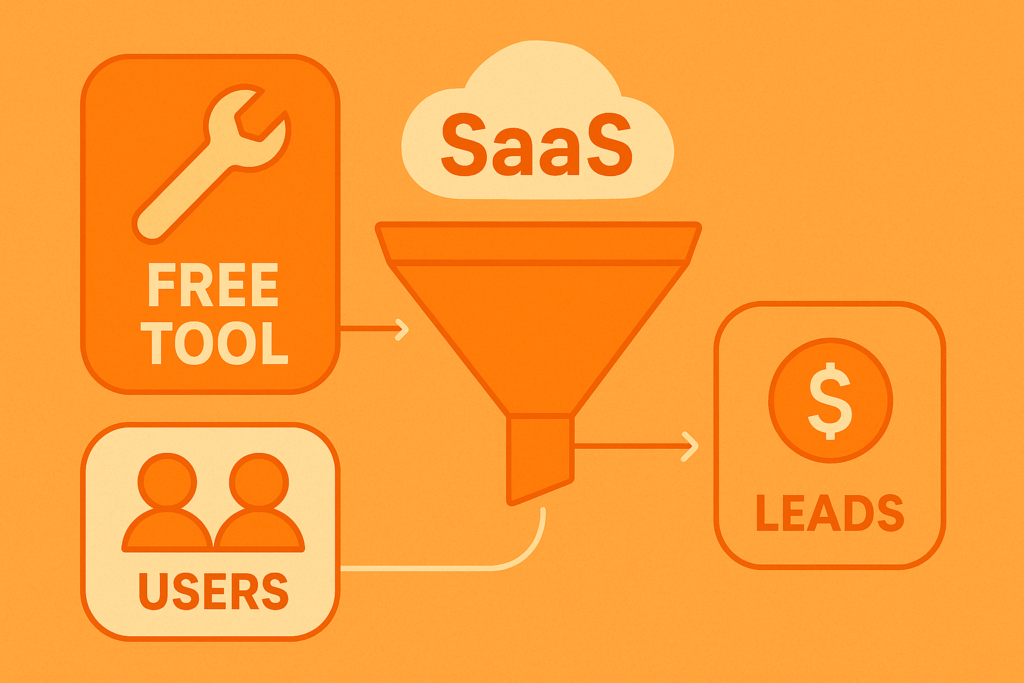
Many marketing agencies have run this play before. Built a few lightweight tools for a SaaS client: an ROI calculator, a simple audit checker, and the backlinks rolled in from places we’d never reached with outreach alone.
4. Comparison & Alternatives Pages (High-Intent Gold)
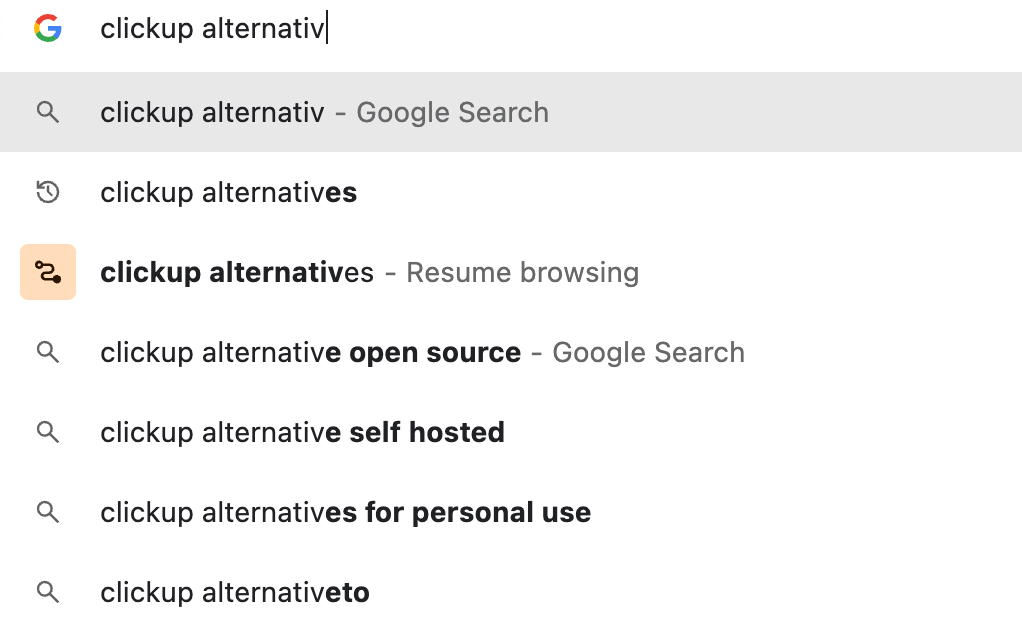
Whether we’re running SEO campaigns for enterprise SaaS clients, B2C, or B2B SaaS, we always include this strategy in our checklist. “Alternatives” and “X vs Y” pages are pure bottom-of-funnel. The search volume is often tiny, but the intent is laser-focused: someone is actively switching, shortlisting, or defending a recommendation to their team.
That’s why these pages convert. The reader isn’t just browsing; they’re comparing costs, integrations, migration pain, security, and whether your product fits their needs.
With a simple Google search, look at how many opportunities you can find:
Open with who each tool is best for, then show the trade-offs that matter in that industry: feature depth, pricing math at realistic seat counts, SSO and audit logs, data residency, SOC 2/HIPAA, support SLAs, and the real cost of switching.
If you can, include a short migration path: what imports automatically, what needs CSV, how long it takes, and a link to book white-glove help.
Pick your battles. Don’t target only the biggest brands; go after the “near-neighbor” competitors your sales team hears on calls.
Pick language from G2/TrustRadius reviews, but verify everything. Link out to the competitor’s pricing and docs; it signals confidence and reduces bounce-backs to Google.
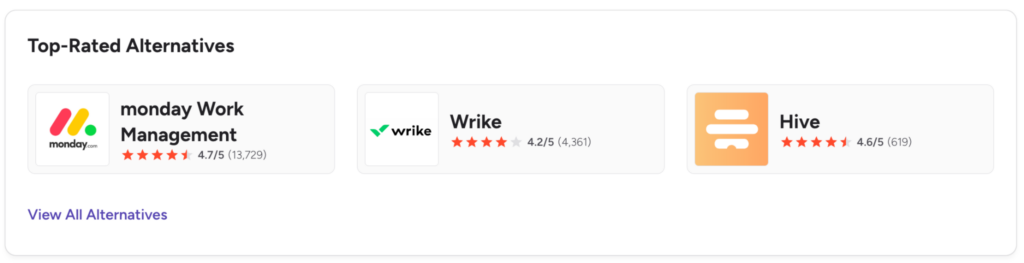
From an SEO standpoint, keep the structure tidy: an “/alternatives/” hub, child pages for each competitor, and separate “/vs/competitor/” matchups when the head-to-head query exists.
There are some technical SEO best practices for SaaS. Canonicalize properly to avoid duplication between the hub and the individual pages. Refresh on a schedule, quarterly is realistic, because pricing and packaging shift often, and stale numbers kill trust.
Internally link from relevant feature pages and industry pages so authority flows in, and add a short “Why teams switch from X” section that mirrors what your AEs actually hear.
5. Leverage Review Platforms & Third-Party Listings
Today, it’s very important to appear in listicles and review platforms. The reason is that prospects don’t just search Google anymore. They search around Google.
They go to G2, Capterra, Clutch, TrustRadius, GetApp, and even broader ones like Yelp for niche SaaS categories, and with LLM-powered search becoming part of the buying journey, these third-party mentions matter even more.
If your SaaS isn’t present on those platforms, your chances of being taken in AI summaries, comparisons, or “best of” lists drop dramatically.
Best practices: First, never stop at a barebones listing. Fill everything: screenshots, integrations, pricing tiers, compliance badges.
On Clutch, for example, a full case study uploaded can rank your profile higher within your category. On G2, prompt customers to leave reviews that highlight specific use cases; G2’s algorithm rewards diversity of industries and company sizes.
On Capterra, respond to reviews; engagement boosts trust and sometimes even visibility.
Don’t ignore local or vertical review sites. If your SaaS serves healthcare, platforms like Software Advice and HIPAA-specific directories are also important.
Treat these platforms like SEO multipliers. Every review profile, every third-party mention creates brand signals, backlinks, and social proof that Google (and now LLMs) fold into their perception of authority.
6. High-Quality SaaS Link-Building
The foundation of link-building doesn’t change: you’re still trying to earn authority signals from other sites that search engines trust. But once you step into SaaS, especially B2B SaaS, everything changes.
The thing is that SaaS link-building requires much more attention to detail. In most industries, you can buy placements or negotiate fairly easily. In SaaS, money isn’t always the deciding factor.
Many SaaS companies won’t just hand you a backlink because you offer payment; they care about relevance, partnerships, and whether the link adds value to their audience.
That’s why building links in this space demands advanced skills and creativity rather than general outreach.
7. Retention SEO (Docs + Academy Content)
One of the most overlooked B2B SaaS SEO strategies is what we call Retention SEO; optimizing your knowledge base, API docs, and onboarding guides.
Most SaaS companies treat these as “afterthought” pages built only for existing users, but in reality, they can rank for valuable queries, attract new audiences, and reduce churn at the same time.
Let me explain: Documentation pages answer the exact questions developers, admins, or decision makers are typing into Google. A CTO might search “how to export audit logs [tool name],” or a developer might look up “connect Slack to [tool API].”
For example, we worked with a SaaS client whose API docs consistently generated thousands of organic visitors a month. Many weren’t existing users; they were developers searching for solutions like “Webhook integration with [competitor].”
By making the docs indexable, optimizing titles, and adding contextual CTAs (“See how this works in our free plan”), we turned support content into a top-of-funnel lead magnet.
Some of those readers went on to sign up simply because the documentation convinced them the product was robust enough to handle their needs.
There’s another retention angle, too. When your knowledge base ranks for problem-solving queries, it prevents churn. Instead of frustrated users leaving for a competitor after hitting a wall, they find your doc in Google, follow the steps, and stay.
8. Product-Led Content (Show, Don’t Tell)
This is the work we do for you. Every week, without exception.
Managing GBP at this level takes 6–8 hours a week when done right. Nova handles the entire system — posts, photos, reviews, Q&A, citations, heatmap tracking — so you can focus on running your business.
One of the most effective B2B SaaS SEO strategies is integrating your product directly into the content. Instead of writing a generic article like “How to Manage Team Tasks,” create something like “How to Manage Team Tasks with [Your SaaS Tool].”
The keyword intent stays intact; you’re still addressing the original problem, but you’re also positioning your product as part of the solution.
The nuance is knowing when and how to bring your product in. If you push it too early, the article feels like a sales pitch. If you wait too long, you lose the chance to tie the pain point to your solution.
A best practice we use is to answer the query fully in the introduction and first section, and then introduce the product-led angle in the middle of the piece.
For example, explain the general steps of managing tasks first, then transition naturally into: “Here’s how you can streamline this process with [Feature X] in [Your SaaS].” By doing this, the intent remains satisfied while you showcase how your software fits in seamlessly.
Screenshots, short video embeds, or annotated workflows can make the product integration more natural.
9. Set Up Bottom-Funnel Retargeting Around BOFU Pages
I’ll admit this isn’t a “pure” SEO tactic, but when paired with your SEO work, it’s one of the smartest growth moves for B2B SaaS. So, once your BOFU pages: comparison pages, competitor alternatives, pricing breakdowns, start generating organic traffic, you’re attracting people who are deep in the buying process.
They’re actively weighing options, and that makes them perfect for retargeting.
You just should build dynamic Google Ads campaigns that specifically retarget visitors who visited those BOFU pages. Instead of a broad brand ad, serve them a hyper-relevant creative tied to what they just read.
One of the smartest ways to prioritize is by looking at analytics: which BOFU pages bring the highest engagement or demo clicks?
Those should be your retargeting anchors. A SaaS client of mine saw better ROI retargeting “alternatives” pages than pricing pages because comparison intent showed they were still weighing options.
Pricing page visitors, on the other hand, often needed a softer nudge; ads offering ROI calculators or limited-time onboarding support worked better there.
10. Monitor Trial Sign-Up Drop-Offs via SEO Pages
Driving traffic to bottom-of-the-funnel pages is great, but if the traffic doesn’t convert into trial signups, something is broken. Many SaaS companies celebrate ranking for high-intent queries: competitor comparisons, pricing pages, alternatives, only to realize the conversions are far below expectations.
That’s why we think monitoring trial signup drop-offs is mandatory in B2B SaaS SEO.
The first step is to understand where visitors are falling off. Tools like Hotjar, Crazy Egg, or FullStory can show heatmaps, scroll depth, and even session recordings. For more enterprise setups, Mixpanel or Amplitude provide deeper funnel analytics.

Once you know where the issues lie, you can start testing. Headlines are often the first culprit; if the page leads with jargon instead of a clear benefit, prospects bounce. Trust signals matter just as much. Reviews, recognizable customer logos, case studies, and security certifications all help reduce bounce rate.
Even something as small as rearranging the order, placing testimonials closer to the signup form, can have a measurable impact.
The Bottom Line
Our team put together everything we’ve tested and tried. Of course, nothing is ideal, and each SaaS has its nuances and specific approaches. B2B SaaS SEO is about building funnels that speak to industries, creating content that mirrors customer language, and turning BOFU pages into real sales assets.
Tools, docs, and even comparison pages can all take their weight if you use them with intent.

