




Local Service Ads are changing the way businesses connect with people right in their own neighborhoods. It might surprise you that these ads can place your company at the very top of Google search results and add a Google Guaranteed badge to instantly build trust. But what really flips the script is that you only pay when someone actually gets in touch, not just for empty clicks. That detail is turning local advertising into a real pay-for-performance game.
Table of Contents
- Defining Local Service Ads And Their Purpose
- The Importance Of Local Service Ads In Digital Marketing
- How Local Service Ads Function And Their Features
- Evaluating The Effectiveness Of Local Service Ads
- Key Considerations For Businesses Using Local Service Ads
Quick Summary
| Takeaway | Explanation |
|---|---|
| Local Service Ads enhance visibility | LSAs place businesses at the top of search results, ensuring they reach potential customers first. |
| Only pay for qualified leads | The pay-per-lead model means businesses pay only when customers contact them, optimizing ad spend. |
| Google verification builds trust | Participating businesses must undergo verification, adding credibility that attracts more customers. |
| Direct customer communication channels | LSAs allow immediate contact with potential clients, facilitating quick customer interactions and responses. |
| Continuous optimization is essential | Businesses should regularly analyze their LSA performance and adjust strategies to maximize effectiveness. |
Defining Local Service Ads and Their Purpose
Local Service Ads (LSAs) represent a targeted digital marketing strategy designed to connect local service providers directly with potential customers through Google’s search platform. These specialized advertisements transform how businesses in service-based industries attract and engage local clients.
Understanding the Core Mechanics of Local Service Ads
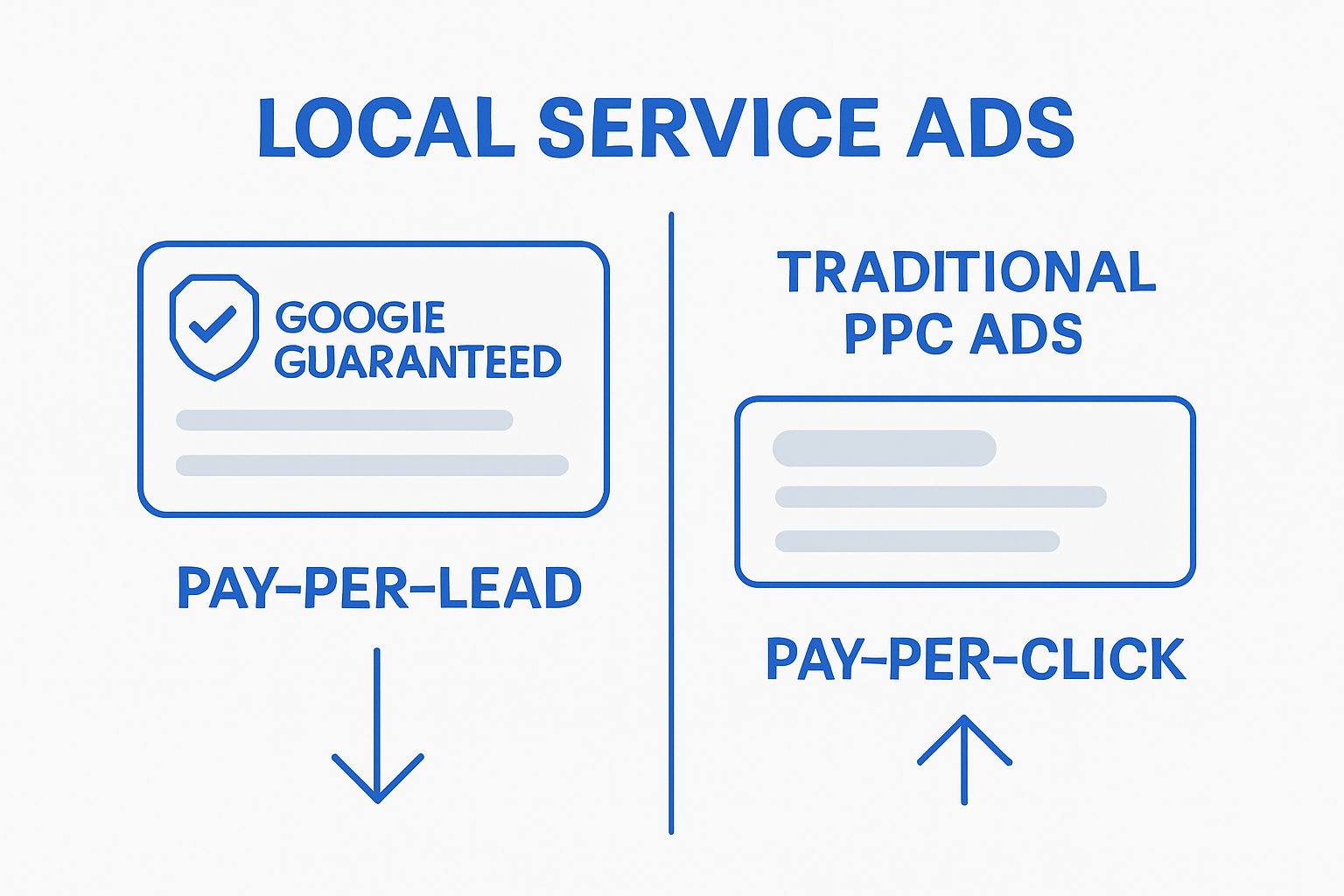
Local Service Ads operate as a unique advertising format that prioritizes visibility and trust for service-oriented businesses. Unlike traditional pay-per-click advertisements, LSAs function on a pay-per-lead model, which means businesses only pay when a potential customer actually contacts them through the ad.
Key characteristics of Local Service Ads include:
- Placement at the top of Google search results
- A prominent “Google Guaranteed” or “Google Screened” badge
- Direct contact options for potential customers
- Background and qualification verification for participating businesses
According to Search Engine Journal, these ads are specifically engineered to provide users with immediate access to verified local service providers across multiple industries such as plumbing, legal services, home cleaning, and automotive repair.
Strategic Benefits for Local Businesses
Local Service Ads offer significant advantages for service-based businesses seeking to enhance their digital marketing approach. By implementing these ads, companies can achieve targeted local visibility and build immediate credibility with potential customers.
Businesses participating in LSAs gain several strategic benefits:
- Enhanced search result positioning
- Increased trust through Google’s verification process
- More direct customer interactions
- Cost-effective lead generation
For businesses looking to maximize their local digital marketing strategy, our comprehensive local PPC guide provides additional insights into creating high-performing advertising campaigns that complement Local Service Ads.
The Importance of Local Service Ads in Digital Marketing
Local Service Ads (LSAs) have emerged as a transformative digital marketing tool that enables businesses to transcend traditional advertising limitations and connect directly with potential customers in their immediate geographical area. These targeted advertisements represent a strategic evolution in online marketing, offering service-based businesses unprecedented opportunities for growth and customer engagement.
Revolutionizing Customer Acquisition Strategies
In the competitive digital marketplace, LSAs provide service providers with a unique mechanism to stand out from traditional search results. By positioning businesses at the top of search pages with a Google Guaranteed badge, these ads immediately communicate credibility and trustworthiness to potential customers.
See exactly where your profile stands right now.
Our GBP audit shows your current rank position across your market, how your profile completeness scores against competitors, and the specific gaps holding you back from the Map Pack.
Key advantages of LSAs in customer acquisition include:
- Immediate visibility in local search results
- Built-in trust signals through Google verification
- Direct communication channels with potential clients
- Precise targeting of service-specific customer segments
According to SCORE, online advertising enables businesses to precisely target specific demographics, interests, and locations, ensuring marketing efforts reach the most likely potential customers.
Economic Efficiency and Performance Metrics
Local Service Ads distinguish themselves through a performance-based pricing model that fundamentally transforms digital marketing economics. Unlike traditional pay-per-click advertising, LSAs operate on a pay-per-lead system, meaning businesses only incur costs when genuine customer interactions occur.
Businesses leveraging LSAs can expect significant strategic benefits:
- Reduced marketing expenditure
- Higher quality lead generation
For businesses seeking to optimize their local digital marketing approach, our comprehensive local marketing strategies guide offers in-depth insights into maximizing online visibility and customer engagement.
How Local Service Ads Function and Their Features
Local Service Ads represent a sophisticated digital marketing platform that enables businesses to connect with potential customers through a highly targeted, performance-driven advertising mechanism. By integrating advanced algorithmic matching and verification processes, these ads create a streamlined pathway for service providers to reach their ideal local customer base.
The Technical Infrastructure of Local Service Ads
The operational framework of Local Service Ads is built on a complex ecosystem of user intent matching, business verification, and real-time lead generation. Google’s algorithm carefully evaluates multiple factors to determine ad placement and visibility, ensuring that only qualified and verified businesses appear in search results.
Key technological components of LSAs include:
- Advanced geolocation targeting
- Automated business background screening
- Dynamic pricing based on lead quality
- Integration with Google Business Profile
- Real-time communication channels
According to Google’s Local Services platform, these ads connect users with local businesses by displaying critical information like business name, contact details, operational hours, and customer reviews.
Verification and Trust Mechanisms
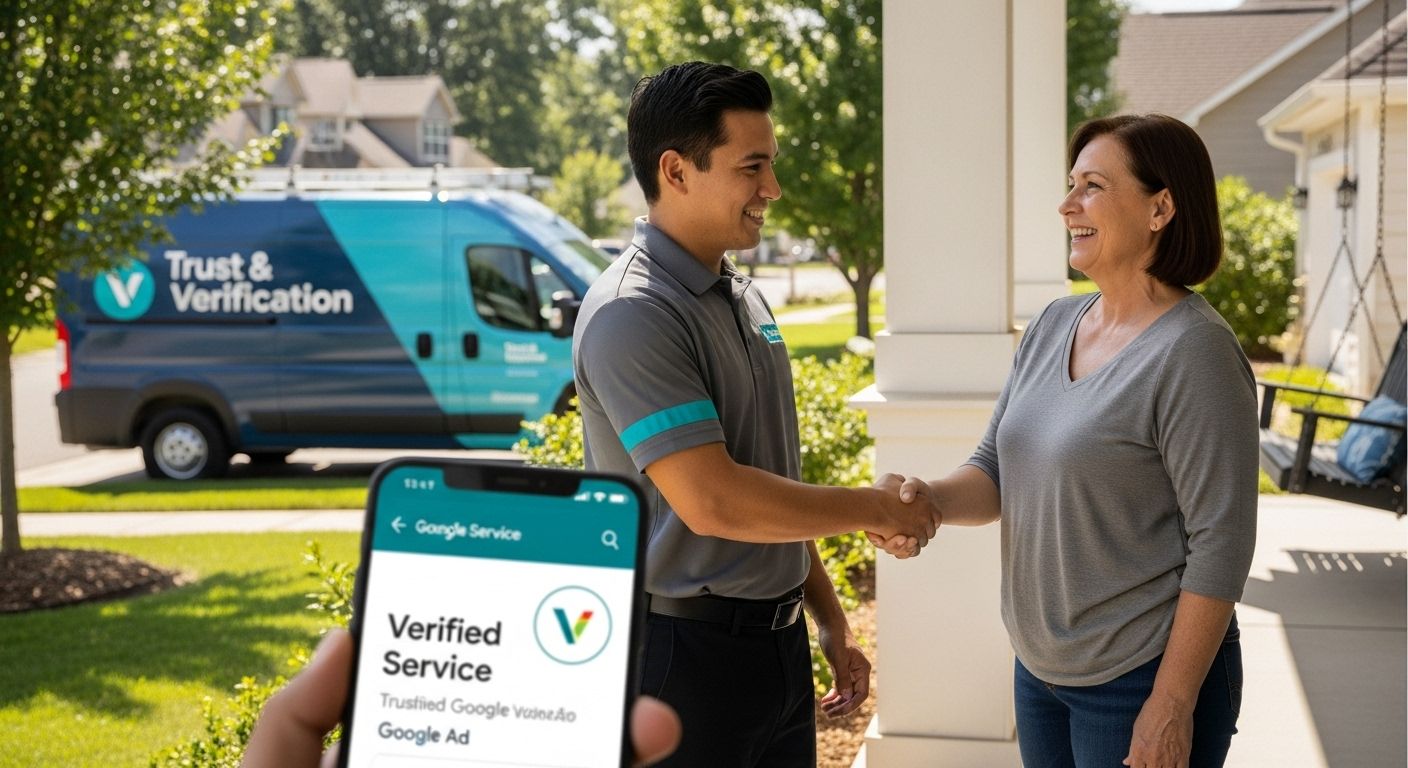
Unlike traditional digital advertising, Local Service Ads incorporate robust verification processes that establish immediate credibility for participating businesses. Google’s screening protocols require businesses to submit comprehensive documentation, including professional licenses, insurance information, and background checks for key personnel.
The verification process encompasses several critical steps:
Here is a feature table summarizing the main characteristics and requirements of Local Service Ads as discussed in the article.
| Feature / Requirement | Explanation |
|---|---|
| Top Search Result Placement | LSAs display businesses above organic results for high visibility |
| Google Guaranteed Badge | Indicates full verification and boosts customer trust |
| Direct Contact Options | Customers can contact businesses instantly from the ad |
| Business Verification | Requires license, insurance, and background checks |
| Real-Time Lead Generation | Potential leads delivered directly to the business |
| Integration with Google Business Profile | Synchronizes business info, reviews, and ratings |
| Performance-Based Pricing | Costs accrue only when leads initiate contact |
| Ongoing Performance Monitoring | Continuous review of reviews, credentials, and response times |
- Comprehensive business license validation
- Background checks for business owners and employees
- Verification of professional credentials
- Ongoing performance monitoring
For businesses looking to dive deeper into local digital marketing strategies, our comprehensive local PPC guide provides additional insights into creating high-performing advertising campaigns that complement Local Service Ads.
Evaluating the Effectiveness of Local Service Ads
Measuring the performance and impact of Local Service Ads requires a comprehensive approach that goes beyond traditional advertising metrics. These specialized digital marketing tools demand nuanced evaluation strategies that capture their unique value proposition and lead generation capabilities.
Performance Metrics and Analytical Frameworks
Effective assessment of Local Service Ads involves analyzing multiple interconnected performance indicators that provide a holistic view of their marketing effectiveness. Businesses must look beyond simple click-through rates and examine deeper engagement metrics that reflect genuine customer interest and conversion potential.
Key performance evaluation metrics include:
- Cost per qualified lead
- Conversion rate from ad interaction to customer acquisition
- Response time and customer communication efficiency
- Overall return on advertising investment
- Customer review and rating progression
According to Stanford Graduate School of Business research, transparent paid search advertisements can actually enhance consumer trust and generate more business opportunities for advertisers.
Comparative Analysis and Competitive Positioning
Local Service Ads provide businesses with a unique competitive advantage by offering precise targeting and immediate visibility. The verification and trust mechanisms built into these ads create a differentiated marketing approach that traditional digital advertising channels cannot replicate.
Strategic evaluation considerations encompass:
- Comparison with traditional pay-per-click advertising performance
- Market segment penetration rates
- Customer acquisition cost reduction
- Long-term brand credibility enhancement
For businesses seeking deeper insights into optimizing their local digital marketing strategies, our comprehensive local services guide offers advanced techniques for maximizing advertising effectiveness and lead generation potential.
Key Considerations for Businesses Using Local Service Ads
Successfully implementing Local Service Ads requires a strategic approach that goes beyond simple advertisement placement. Businesses must carefully navigate the complex landscape of digital marketing, understanding the nuanced requirements and potential challenges associated with these specialized advertising platforms.
Compliance and Verification Requirements
Participation in Local Service Ads demands rigorous adherence to Google’s comprehensive verification protocols. Businesses must proactively manage their digital credentials to ensure continued eligibility and maintain their competitive positioning in the local service marketplace.
Critical compliance elements include:
- Maintaining current professional licenses
- Keeping insurance documentation up to date
- Conducting regular background checks for employees
- Ensuring accurate business information across digital platforms
- Responding promptly to customer inquiries and reviews
According to the U.S. Small Business Administration, managing your business listing in search engines is crucial for maintaining accurate information and improving local search visibility.
Strategic Optimization and Performance Management
Maximizing the potential of Local Service Ads requires a sophisticated approach to digital marketing that integrates continuous monitoring, performance analysis, and adaptive strategies. Businesses must develop a comprehensive understanding of the platform’s algorithmic mechanisms and user interaction patterns.
This is the work we do for you. Every week, without exception.
Managing GBP at this level takes 6–8 hours a week when done right. Nova handles the entire system — posts, photos, reviews, Q&A, citations, heatmap tracking — so you can focus on running your business.
Key strategic considerations encompass:
- Developing a robust customer response strategy
- Monitoring and improving customer review ratings
- Analyzing lead quality and conversion metrics
- Adjusting advertising budgets based on performance data
- Implementing targeted service area optimization
For businesses seeking advanced techniques to enhance their local digital marketing approach, our comprehensive local marketing strategies guide provides cutting-edge insights into maximizing advertising effectiveness and lead generation potential.
Transform Your Local Service Ads Into Consistent Leads
Are you frustrated by underwhelming results from Local Service Ads or worried your business is not visible enough in local search? This article highlighted how essential verification, pay-per-lead success, and strategic local service ad management are if you want to beat competitors and capture real customers in your area. But navigating Google’s complex requirements, optimizing for trust signals, and maintaining top positions can be overwhelming—especially if you are also managing licenses, reviews, and dynamic bidding.
Take the guesswork out of Local Service Ads with proven help from a team that specializes in all things digital marketing—from Local Service Ads strategy to ongoing campaign optimization and review management.
Let us show you what is possible when cutting-edge technology meets targeted expertise. Visit https://12amagency.com/contact-us/ to schedule your one-on-one consultation now. Get immediate answers on how to boost your local leads, turn Google into your most powerful growth tool, and achieve results that make an impact right away. Your competition is not waiting. Take action today.
Frequently Asked Questions
What are Local Service Ads (LSAs)?
Local Service Ads (LSAs) are specialized Google advertisements that help connect local service providers with potential customers. They display at the top of search results, showcasing the services offered by local businesses, often with a ‘Google Guaranteed’ badge for credibility.
How do Local Service Ads differ from traditional pay-per-click advertising?
Unlike traditional pay-per-click (PPC) advertising, which charges businesses per click, LSAs operate on a pay-per-lead model. This means businesses only pay when a potential customer contacts them directly through the ad, making it a more cost-effective option for service-based businesses.
Below is a comparison table outlining the key differences between Local Service Ads (LSAs) and traditional Pay-Per-Click (PPC) advertising models as described in the article.
| Feature | Local Service Ads (LSAs) | Traditional Pay-Per-Click (PPC) |
|---|---|---|
| Payment Model | Pay-per-lead | Pay-per-click |
| Placement | Top of Google search results | Varies, often lower on page |
| Trust/Verification | Google Guaranteed/Screened badge, rigorous verification | No required verification |
| Customer Interaction | Direct contact options | May require navigating to website |
| Targeting | Geolocation targeting, service-specific | Keyword and audience targeting |
| Cost Efficiency | Pay only for qualified leads | Pay for all clicks (qualified or not) |
| Credibility Enhancement | Google verification builds immediate trust | Dependent on ad copy and site |
What are the benefits of using Local Service Ads for my business?
Local Service Ads offer several benefits, including increased visibility in local search results, enhanced trust through Google’s verification process, and direct communication channels with potential clients. They can help businesses generate high-quality leads at a lower marketing cost.
How can I measure the effectiveness of my Local Service Ads?
To evaluate the effectiveness of Local Service Ads, businesses should analyze metrics such as cost per qualified lead, conversion rates from ad interactions to customer acquisitions, and overall return on advertising investment. It’s important to look beyond basic click-through rates to understand the true value of the leads generated.

