



“We spent $16,000 to build an AI application that terrified us with its capabilities.” This isn’t the opening line of a sci-fi thriller; it’s the reality of today’s AI, as revealed by the team at Authority Hacker. For small business owners and professionals—the “DIY Dans” of the world—this statement is both a warning and a massive opportunity. The age of simple AI tools is over. The era of Agentic AI, where autonomous systems can manage complex, multi-step tasks, is here. This guide will break down what Agentic AI is, how it’s already changing the game in marketing and SEO, and provide a step-by-step framework for you to leverage it in your business.
What is Agentic AI and Why Should You Care?
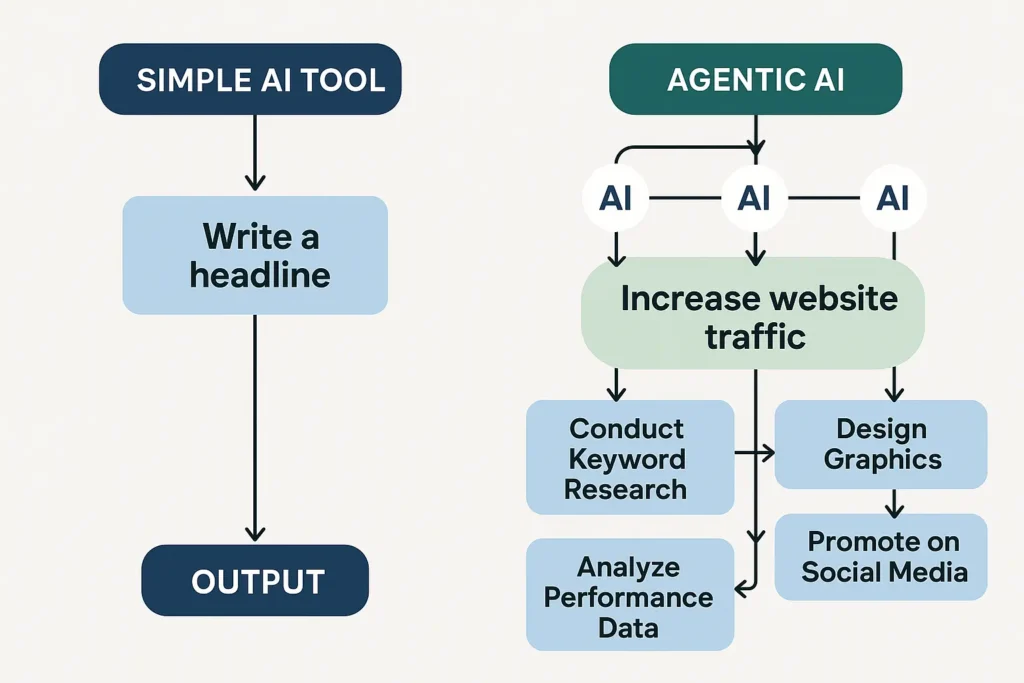
Forget the simple chatbots of yesterday. Agentic AI refers to systems that can proactively and autonomously execute a series of tasks to achieve a complex goal. Think of it as hiring a team of digital employees who can strategize, execute, and adapt without constant human intervention.
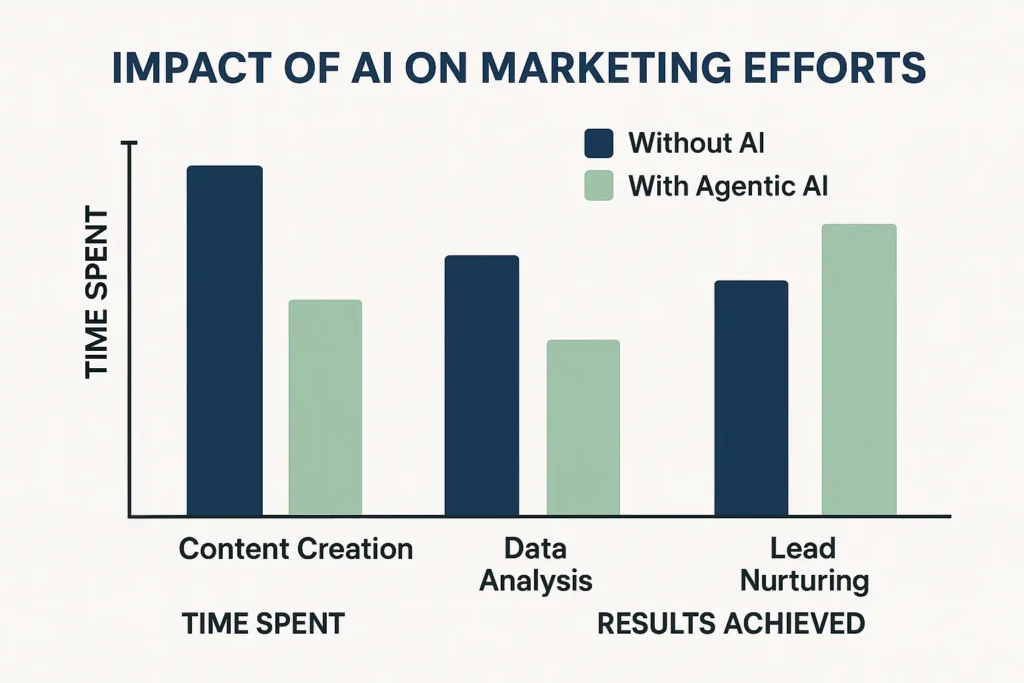
The “terrifying” part of the Authority Hacker experiment wasn’t just the cost; it was the realization that these AI agents could perform weeks of human work in a matter of hours. For a small business, this is a paradigm shift. It means you can now compete with larger companies by automating high-level tasks that were previously out of reach due to budget and manpower constraints.
How AI is Redefining the Rules of SEO and Marketing
Google itself is leading the charge in integrating AI into its core services. The latest updates from Google Search Central for Q2 2025 confirm that AI-driven features are no longer experimental; they are a fundamental part of how search works. This has profound implications for your marketing efforts.
1. The Shift from Keywords to Concepts
Google’s AI can now understand the intent behind a search query, not just the keywords used. This means that creating content that comprehensively covers a topic is more important than ever. Your goal is to become the definitive source of information on a subject.
Action Step: Use AI tools to identify sub-topics and related questions around your primary service or product. Create a “pillar page” that provides a broad overview and link out to more detailed “cluster” articles.
2. AI-Powered Content and Your Website
With the rise of AI-generated content, Google is focused on rewarding genuine expertise and experience. The key is to use AI as a co-pilot, not an autopilot.
Action Step: Use AI to generate outlines, research data, and overcome writer’s block. But always infuse the content with your unique insights, case studies, and brand voice. As the HubSpot guide on AI for marketing suggests, the most effective AI-powered marketing combines the efficiency of machines with the authenticity of human experience. This approach not only enhances content quality but also helps in scaling franchise locations effectively. By leveraging AI insights, brands can identify market trends and tailor their strategies to resonate with local audiences. Ultimately, this synergy between technology and human creativity fosters growth and drives business success.
A Practical Framework for Implementing AI in Your Business
The HubSpot guide for beginners provides a clear, no-nonsense approach to getting started with AI in your sales and marketing. Here’s a synthesized, step-by-step process for the “DIY Dan”:
Step 1: Identify Your Biggest Time Sinks
What are the repetitive, time-consuming tasks in your business? Is it drafting follow-up emails? Analyzing sales data? Creating social media posts? Make a list of your top 5 biggest time sinks.
Step 2: Start with One High-Impact Area
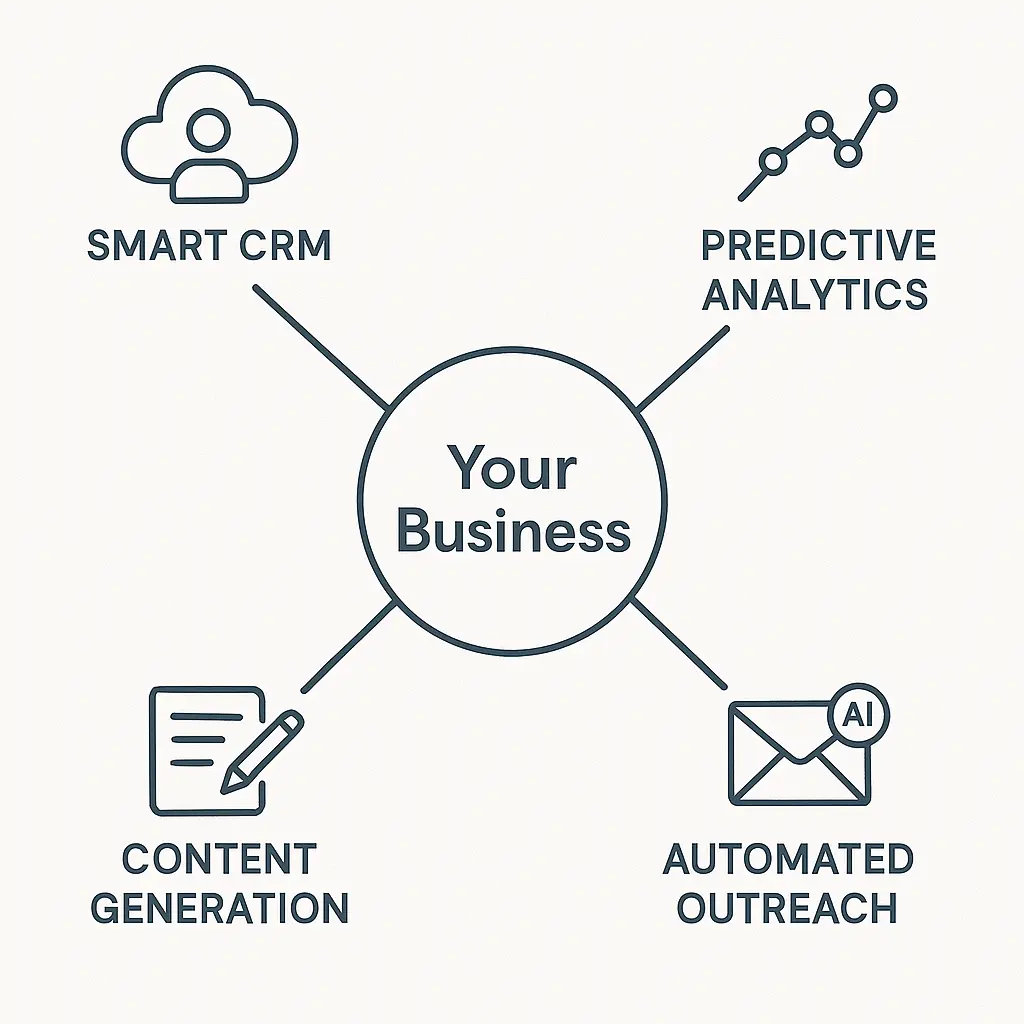
Don’t try to automate everything at once. Pick one area from your list where AI can make a significant impact. For example, if you spend hours trying to personalize sales outreach, start with an AI tool that can analyze a prospect’s LinkedIn profile and suggest personalized opening lines.
Step 3: Leverage an Integrated AI Platform
Instead of using a dozen different AI tools, consider a platform like HubSpot that has AI features built-in. This allows your AI agents to work with the same data, leading to more cohesive and effective automation.
For instance, you can use AI to score leads based on their behavior on your website, and then automatically trigger a personalized email sequence.
Conclusion: Your New Competitive Edge
The rise of Agentic AI is the single biggest opportunity for small businesses in 2025. By automating complex tasks and entire workflows, you can free up your most valuable resource—your time—to focus on strategy, customer relationships, and growth. The technology that once cost $16,000 to custom-build is now becoming accessible to everyone. The only question is whether you will be the one to leverage it.