



Local business branding is the essence of your venture, extending beyond just a logo or color scheme. It embodies what makes your business unique, helps forge strong customer relationships, and builds lasting loyalty. A robust brand can turn occasional buyers into devoted customers, establish a recognizable identity in your local market, and drive business growth.
Key Elements of Local Business Branding:
- Define Your Unique Identity
- Build Customer Loyalty
- Ensure Consistent Messaging
By focusing on these pillars, local businesses can distinguish themselves in a crowded marketplace, surpassing the reach of larger corporations.
I’m Robert Portillo, a digital marketing expert dedicated to helping businesses succeed. With years of experience, I specialize in local business branding strategies that promote growth and create distinct identities. Let’s explore how you can achieve standout success in your local market.

Local business branding word guide:
Understanding Local Business Branding
When it comes to local business branding, understanding the foundational principles is crucial. Let’s break down the essentials, starting with the 5 C’s of branding, which are your roadmap to a successful brand strategy.
The 5 C’s of Branding
- Consistency: Keep your messaging and visuals uniform across all platforms. This helps in building trust. Think of a brand like Coca-Cola. Whether it’s a billboard or a social media post, the branding is unmistakably consistent.
- Creativity: Stand out with innovative ideas. Creativity can make your brand memorable. For example, Who Gives A Crap uses humorous packaging and messaging, making a lasting impression with its offbeat approach.
- Clarity: Be clear about what your brand stands for. If your message is muddled, customers will be confused. A clear brand story is vital. Drunk Elephant, for instance, communicates its mission of creating products free of harmful ingredients with crystal-clear messaging.
- Commitment: Show dedication to your brand values and promises. Customers appreciate brands that stick to their word. Warby Parker, known for its quirky and friendly spirit, remains committed to providing affordable eyewear while maintaining a unique brand identity.
- Consultation: Engage with your audience and gather feedback. This builds a community around your brand. Brands like Crocs have successfully engaged their audience through collaborations and limited-edition releases, keeping the conversation alive.
Brand Identity: The Face of Your Business
Brand identity is more than just a logo; it’s the combination of visuals, messaging, and customer interactions. It’s what people think of when they hear your business name. A strong brand identity helps you stand out and be remembered.
- Visual Elements: Your logo, colors, and typography should reflect your brand’s personality. Creating a style guide ensures consistency across all materials.
- Voice and Tone: The way you communicate with your audience is part of your brand identity. Whether it’s casual, formal, or playful, ensure it aligns with your brand’s personality.
Customer Promise: Building Trust
Your customer promise is a commitment to deliver a specific experience or benefit. It’s what you guarantee to your customers. A strong promise builds trust and loyalty.
- Deliver on Your Promises: If you promise fast service, ensure it’s consistently fast. Broken promises can damage your reputation.
- Communicate Clearly: Let customers know what they can expect from your brand. This sets clear expectations and improves satisfaction.
By mastering these elements, local businesses can create a compelling brand that resonates with their audience and stands out in the local market. Next, we’ll explore some proven strategies for enhancing your local business branding.
Proven Strategies for Local Business Branding
Local Partnerships
Collaborating with other local businesses can significantly boost your local business branding. By partnering with businesses in your area, you not only reach new customers but also strengthen community ties. For instance, consider hosting joint events or creating promotions that encourage customers to visit both establishments. This strategy helps create a buzz in the community and fosters mutual growth.
Community Relationships
Building strong relationships within your community is crucial for a thriving local brand. Engage with local events, sponsor community activities, or volunteer for causes that align with your brand values. This involvement not only improves your brand’s visibility but also builds trust and loyalty among local customers. A business that gives back often receives support in return.
Social Media Leverage
Social media is a powerful tool for local branding. By maintaining an active presence on platforms like Instagram, Facebook, or even TikTok, you can engage directly with your audience. Share locally focused content that resonates with your community. For example, post about local events, share customer stories, or highlight your involvement in community activities. This approach not only strengthens your brand identity but also encourages local engagement.
Local SEO
Optimizing your online presence for local searches is essential. Use local keywords in your website content and create a Google Business Profile to ensure your business shows up in local search results. For instance, if you own a bakery in San Francisco, include keywords like “San Francisco bakery” or “fresh bread San Francisco” in your website. Additionally, build local backlinks by connecting with local directories or collaborating with local bloggers. This strategy increases your visibility to potential customers searching for businesses like yours in the area.
Online Reputation
Your online reputation can make or break your local business branding. Encourage satisfied customers to leave positive reviews on platforms like Google or Yelp. Respond to reviews, both positive and negative, to show that you value customer feedback. A strong online reputation builds trust and credibility, making potential customers more likely to choose your business over competitors.
By implementing these strategies, you can improve your local business branding, build a loyal customer base, and stand out in the local market. Next, we’ll dig into how to build a strong brand identity.
Building a Strong Brand Identity
Creating a strong brand identity is the cornerstone of successful local business branding. It’s about more than just a logo; it’s the DNA of your business, shaping how customers perceive you. Let’s unpack the key elements that form a compelling brand identity.
Brand Purpose
Your brand purpose is the “why” behind your business. It answers questions like, “Why did you start this company?” and “What principles guide you?” A clear brand purpose not only differentiates you from competitors but also connects you emotionally with customers. For instance, BILLYKIRK’s dedication to traditional craftsmanship and supporting the American leather industry exemplifies a strong brand purpose that resonates with its audience.
Target Audience
To build a brand that speaks to people, you need to know who you’re speaking to. Define your target audience by creating customer personas. These personas should include details like age, interests, and values. Understanding your audience helps tailor your messaging and products to meet their needs. For example, Death Wish Coffee targets hardcore coffee drinkers who prioritize caffeine content over flavor, and this focus has helped them carve out a niche market.
Brand Assets
Brand assets are the visual and verbal elements that make your brand recognizable. This includes your logo, color palette, typography, and brand voice. Consistency in these elements across all platforms is crucial for brand recognition and trust. Remember the three Cs: Clarity, Consistency, and Commitment. Surly Brewing Company’s bold and colorful design, which stands out on crowded shelves, is a great example of how strong brand assets can capture attention.
Brand Story
Your brand story is how you communicate your purpose and values to your audience. It’s not just an origin story but a narrative that builds an emotional connection. Answer questions like, “What problems does your product solve?” and “Why are these problems important to your business?” The Sill, for example, frames itself as a plant expert for urban dwellers, offering not just plants but a lifestyle that integrates greenery into city living. This narrative helps them connect with customers on a personal level.
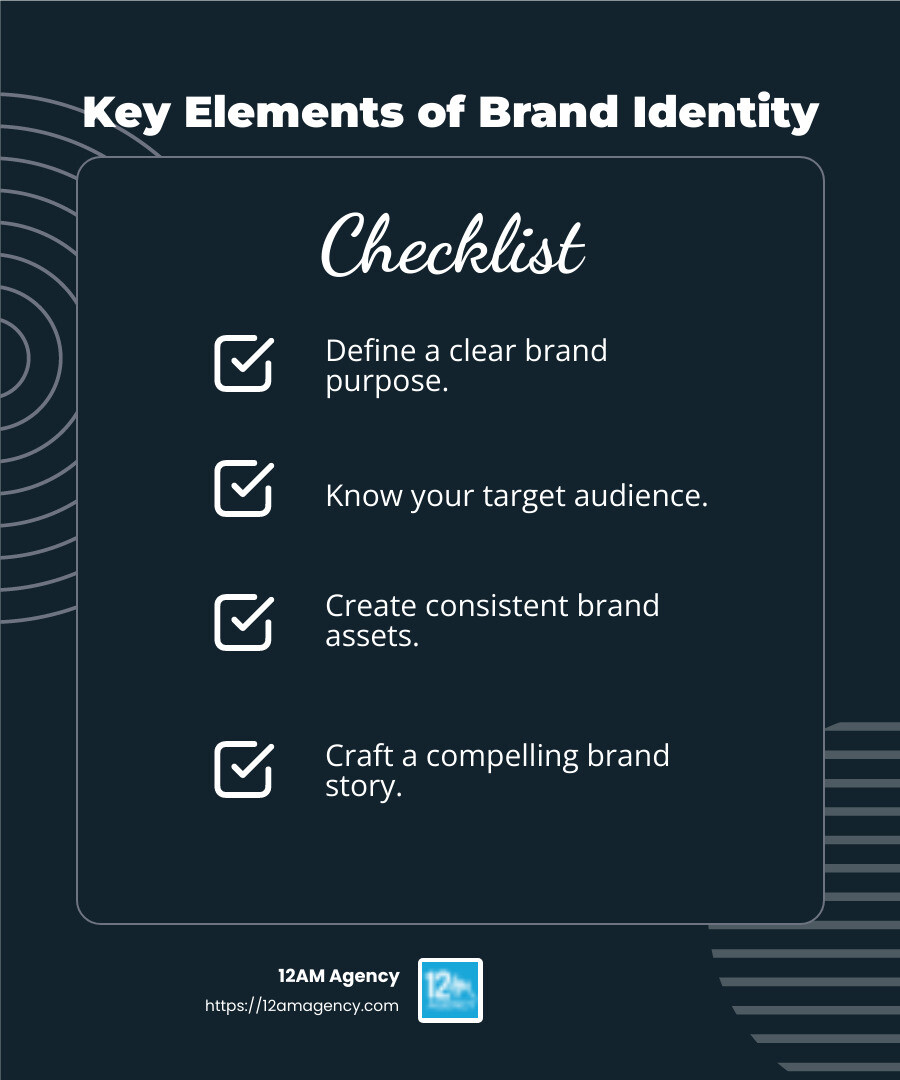
Incorporating these elements into your brand identity ensures that your business is not just another name in the market but a memorable and relatable entity. Next, let’s explore some top examples of successful local business branding to see these principles in action.
Top Examples of Successful Local Business Branding
Let’s explore some inspiring examples of local business branding that have successfully carved out their niche in competitive markets.
BILLYKIRK
Founded by two brothers, BILLYKIRK is committed to supporting the American leather industry. Their branding is all about traditional craftsmanship and durability, appealing to customers who value quality and heritage. This authentic voice has helped them build long-term relationships and a loyal fanbase. Their brand story and purpose are clearly communicated, making them stand out in a crowded market.
Death Wish Coffee
Known as “The World’s Strongest Coffee,” Death Wish Coffee has taken a bold approach to branding. By focusing on a specific audience—hardcore coffee drinkers who prioritize caffeine content—they’ve differentiated themselves from other coffee brands. Their evocative name and simple, memorable message resonate with their target market, leading to significant success, including a Super Bowl ad spot.
The Sill
Positioning itself as a plant expert for urban dwellers, The Sill has made gardening trendy again. Their branding focuses on integrating plants into city living, offering not just products but a lifestyle. By supporting their customers with plant care advice and stylish accessories, The Sill connects with plant lovers on a personal level, enhancing their brand story and identity.
Dollar Shave Club
Dollar Shave Club disrupted the shaving industry with its subscription-based service delivering razors directly to customers. Their branding emphasizes high-quality products, easy delivery, and affordability. Known for their humorous and quirky marketing, they appeal to a younger audience looking for convenience and value, setting them apart from traditional shaving brands.
Bombay Electric
An upscale fashion outlet in Mumbai, Bombay Electric uses vibrant colors and kaleidoscopic images to create a unique brand identity. Their branding, designed by Paris-based Micheal Thorsby, reflects the vibrant culture of India and attracts a sophisticated audience. By aligning their visual elements with cultural aesthetics, they’ve built a strong and memorable brand presence.
These examples highlight how local businesses can leverage a clear brand purpose, targeted audience, and consistent assets to create a compelling brand identity. Each of these brands has found a way to stand out by being true to their core values and understanding their customers’ needs. Now, let’s address some frequently asked questions about local business branding.
Frequently Asked Questions about Local Business Branding
What are the 5 C’s of branding?
Branding is more than just a logo; it’s about creating a lasting impression. Here are the 5 C’s to guide you:
- Consistency: Keep your message and visuals uniform across all platforms. This helps build trust and recognition.
- Creativity: Stand out by being different. Use unique designs and innovative ideas to capture attention.
- Clarity: Your brand message should be easy to understand. Avoid jargon and keep it straightforward.
- Commitment: Stay true to your brand values and promises. This builds loyalty over time.
- Consultation: Engage with your audience. Listen to feedback and adapt to meet their needs.
How much does business branding cost?
The cost of branding varies widely. Here’s a breakdown of potential expenses:
- Freelance Designers: Hiring a freelancer can be a cost-effective option for small businesses. Rates range from $500 to $5,000, depending on experience and project scope.
- Branding Agencies: For a comprehensive branding strategy, agencies offer a full suite of services. This can cost anywhere from $10,000 to $100,000 or more, depending on the agency’s reputation and the complexity of the project.
How to do branding for small businesses?
Effective branding for small businesses involves several key steps:
- Brand Purpose: Understand why your business exists. What problem do you solve? This purpose should guide all branding efforts.
- Target Market: Identify who your ideal customers are. Tailor your branding to resonate with their values and needs.
- Competitive Analysis: Study your competitors. Find out what they do well and where they fall short. Use this information to differentiate your brand.
Starting with a clear brand purpose and understanding your target market can help you create a strong foundation for your branding efforts. By consistently applying these principles, you can build a brand that stands out and connects with your audience.
Conclusion
In the evolving landscape of digital marketing, local business branding is more important than ever. At 12AM Agency, we understand the unique challenges faced by small businesses in Dallas, Texas, and beyond. Our approach is simple: we offer personalized strategies that align with your business goals. This means crafting a brand identity that not only stands out but also connects deeply with your community.
Digital marketing is not just about having an online presence. It’s about creating meaningful interactions with your audience. We leverage our expertise in SEO, PPC, and website design to ensure your brand is not just seen but remembered.
Why Choose 12AM Agency?
- Personalized Strategies: We don’t believe in one-size-fits-all solutions. Our strategies are customized to meet your specific needs and market conditions.
- Expertise in Branding: With years of experience, we know what works in branding. Our team is dedicated to helping you develop a strong, cohesive brand identity.
- Results-Driven Approach: We focus on delivering measurable results. Whether it’s increasing your search engine rankings or enhancing your online reputation, our goal is to drive growth for your business.