





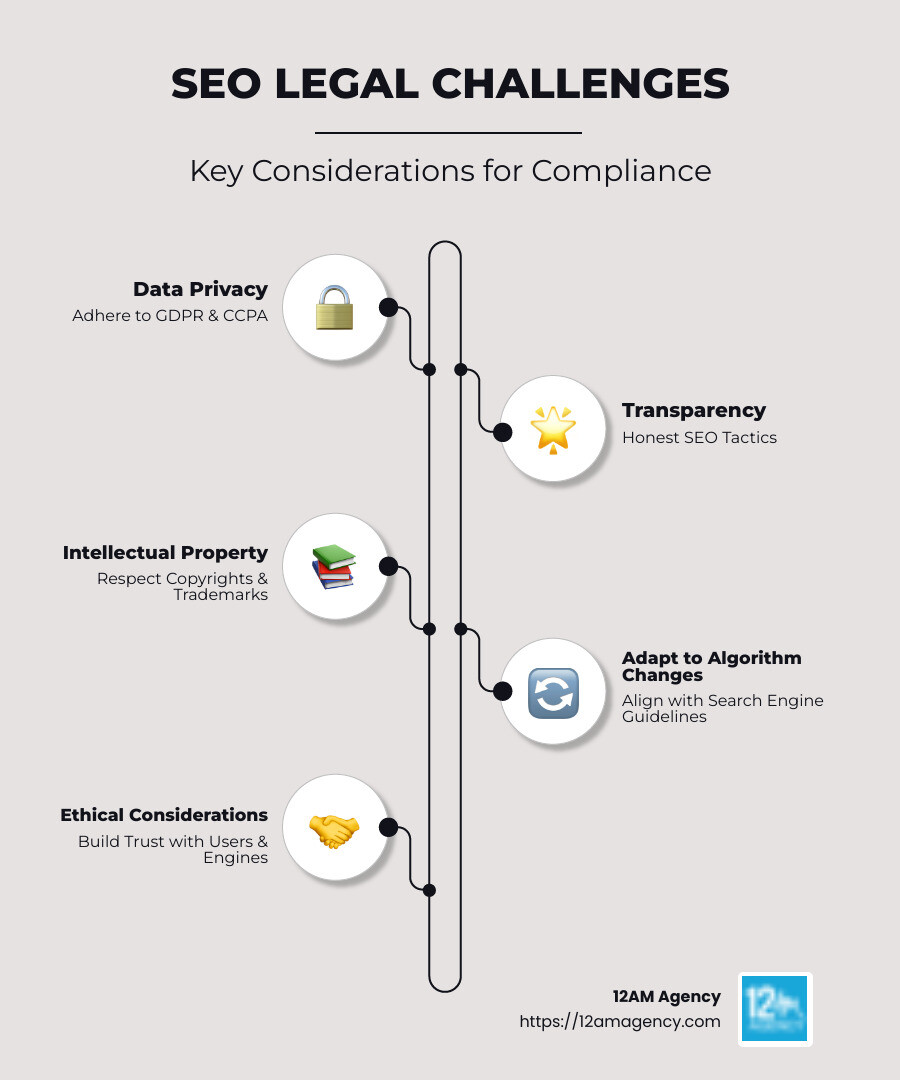
Search engine optimization legal issues are increasingly important in the digital marketing landscape as businesses aim to enhance their online presence. At the intersection of SEO and law, significant challenges include data privacy regulations, ethical considerations, and compliance with global privacy laws like GDPR and CCPA. Navigating these complexities is essential to avoid potential legal risks and to align with legal standards, ensuring your business remains compliant.
Here’s a quick overview of some critical search engine optimization legal issues:
- Data Privacy Compliance: Ensuring adherence to GDPR and CCPA.
- Transparency: Using clear and honest SEO tactics without misleading users or search engines.
- Intellectual Property: Avoiding infringement by respecting copyrights and trademarks.
- Algorithm Changes: Staying adaptable to comply with search engines’ evolving guidelines.
I’m Robert Portillo, a digital marketing expert from Texas with a passion for helping businesses navigate the complex world of search engine optimization legal issues. Through my experience and expertise, I aim to simplify these complexities for businesses, ensuring legal compliance while driving growth and success.
Understanding SEO Legal Issues
When it comes to search engine optimization legal issues, understanding the implications of unethical practices is essential. These practices can lead to severe penalties that affect your website’s visibility and reputation.
Black Hat SEO: The Dark Side of Optimization
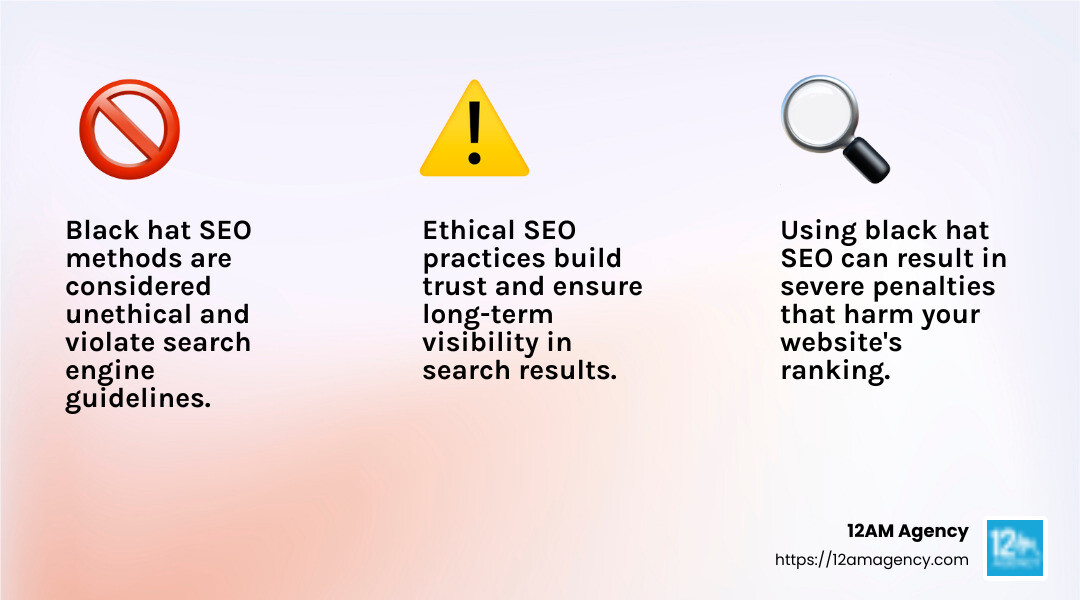
Black hat SEO refers to techniques that violate search engine guidelines to gain higher rankings quickly. These methods include keyword stuffing, cloaking, and using private link networks. While they may offer short-term gains, the long-term consequences can be dire.
Unethical Practices and Their Consequences
Engaging in unethical SEO practices can not only harm your search engine rankings but also damage your brand’s reputation. For instance, pagejacking, where you copy a competitor’s content, is considered copyright infringement. This can lead to legal action and removal of your site from search engine indexes.
Another example is spreading disinformation. Misleading customers with false claims in your SEO content can violate consumer protection laws. This not only risks legal trouble but also erodes trust with your audience.
Penalties: The Price of Cutting Corners
Google and other search engines are vigilant in maintaining the integrity of their search results. If caught using black hat SEO, your website could face penalties such as:
- Ranking Drops: Your pages may plummet in search results, reducing visibility.
- De-indexing: In severe cases, search engines may remove your site entirely.
- Trust Issues: Once penalized, regaining trust from search engines and users can be challenging.
When digital presence is paramount, these penalties can have lasting impacts on your business.
By understanding these search engine optimization legal issues, you can steer clear of risky practices and focus on building a sustainable and ethical SEO strategy. This ensures your business remains compliant and competitive in the changing digital landscape.
Next, we’ll explore the Common Legal Challenges in SEO, focusing on algorithm updates, pagejacking, and copyright infringement.
Common Legal Challenges in SEO
Navigating SEO can be tricky, especially with the legal challenges that come into play. Let’s explore some common issues you might face, including algorithm updates, pagejacking, and copyright infringement.
Algorithm Updates: The Ever-Changing Landscape
Google updates its search algorithm multiple times a year, which can shake up your SEO strategy. These updates often reward high-quality, relevant content while penalizing sites that use shady practices. Staying informed about these changes is crucial. As Gracie DeSantis from Vye marketing agency points out, a lack of awareness can lead to unexpected drops in organic traffic.
To keep up, focus on creating valuable content and building a strong brand presence. Neil Patel suggests that brand-building can be an effective SEO strategy since established brands often fare better in search results. Offering free tools or resources can also help boost your authority and visibility.
Pagejacking: A Risky Shortcut
Pagejacking involves copying a competitor’s web page to boost your own rankings. It’s a form of copyright infringement and can lead to severe consequences. If caught, you might receive a cease and desist letter or even face legal action. Google also frowns upon this practice and may remove your site from its index.
Instead of resorting to pagejacking, focus on creating unique and valuable content that sets your site apart. This not only keeps you on the right side of the law but also builds trust with your audience.
Copyright Infringement: Respecting Creative Rights
Using someone else’s content without permission is a big no-no in the SEO world. Copyright infringement can take many forms, from copying text to using images without proper attribution. It’s not just unethical—it’s illegal. Google and other search engines are getting better at detecting copied content, which can lead to penalties or removal from search results.
To avoid this, always create your own content or ensure you have the right to use any third-party material. Tools like plagiarism checkers can help ensure your content is original.
By understanding these search engine optimization legal issues, you can avoid pitfalls that could harm your site’s visibility and reputation. Next, we’ll discuss the Legal Implications of SEO Practices, focusing on building trust with customers, maintaining search engine rankings, and ensuring visibility.
Search Engine Optimization Legal Issues
When it comes to search engine optimization legal issues, understand the potential consequences of not adhering to search engine guidelines. Let’s explore the impact of Google penalties, the importance of following search engine guidelines, and how ethical SEO practices can keep you on the right path.
Google Penalties: What You Need to Know
Google penalties are the search engine’s way of enforcing its rules. If your website violates these guidelines, you risk a penalty that can significantly affect your site’s visibility and traffic. Penalties can range from a drop in rankings to complete removal from search results.
A well-known example is the case of J.C. Penney, which was penalized for using manipulative link schemes to boost its rankings. The penalty led to a drastic drop in their search visibility, which had a significant impact on their online presence.
Avoiding penalties involves adhering to Google’s Webmaster Guidelines, which emphasize creating high-quality, user-focused content and avoiding manipulative tactics.
Search Engine Guidelines: The Rulebook for Success
Search engines like Google have specific guidelines that dictate what is acceptable in terms of SEO practices. These guidelines ensure that the content served to users is relevant, trustworthy, and of high quality.
Key aspects of these guidelines include:
- Content Quality: Prioritizing informative and original content.
- Link Building: Earning links naturally rather than engaging in link schemes.
- Technical SEO: Ensuring your site is accessible and fast-loading.
By following these guidelines, you not only avoid penalties but also improve your site’s reputation and user experience.
Ethical SEO: Building Long-Term Success
Ethical SEO is about playing by the rules. It involves using strategies that align with search engine guidelines to improve your site’s visibility without resorting to deceptive tactics. This approach focuses on:
- Keyword Research: Using relevant keywords naturally within your content.
- Content Creation: Producing valuable and engaging content that meets user needs.
- User Experience: Ensuring your site is easy to steer and mobile-friendly.
Ethical SEO builds trust with your audience and search engines alike, leading to sustainable growth and a positive online reputation.
By understanding these components of search engine optimization legal issues, you can steer the SEO landscape effectively and ethically. Next, we’ll dig into the Legal Implications of SEO Practices, examining how these practices impact customer trust, search engine rankings, and overall visibility.
Legal Implications of SEO Practices
When it comes to search engine optimization legal issues, understanding the legal implications of your SEO practices is crucial. These implications impact not only your search engine rankings but also the trust you build with your customers and your overall visibility online.
Building Trust with Customers
Trust is a cornerstone of any successful business, and your SEO practices play a significant role in establishing it. Ethical SEO practices, such as creating original content and using honest keywords, help build credibility with your audience. When customers know they can rely on your website for accurate and valuable information, they are more likely to return and recommend your site to others.
Disinformation, on the other hand, can erode trust. As highlighted in the research, misleading customers with false claims can lead to legal trouble under consumer protection laws. For instance, falsely advertising a product as “Made in USA” when it isn’t can result in severe consequences. Maintaining transparency and honesty in your SEO practices is not just ethical—it’s essential for building long-term customer relationships.
Impact on Search Engine Rankings
Search engines like Google prioritize sites that adhere to their guidelines and provide high-quality content. Google penalties can severely impact your rankings if you engage in unethical practices like keyword stuffing or pagejacking. A drop in rankings means less visibility and fewer opportunities to attract potential customers.
For example, J.C. Penney’s experience with a Google penalty due to manipulative link schemes serves as a cautionary tale. Their rankings plummeted, showcasing how vital it is to follow search engine guidelines carefully.
Enhancing Visibility
Visibility is key to online success. Ethical SEO practices improve your visibility by ensuring your site ranks well in search results. This involves:
- Creating High-Quality Content: Content that is informative, relevant, and engaging naturally attracts more visitors and earns backlinks.
- Improving User Experience: A site that is easy to steer and mobile-friendly not only pleases users but also ranks better in search engine results.
By focusing on these areas, you not only comply with legal requirements but also improve your site’s visibility, drawing more organic traffic and potential customers.
In summary, the legal implications of SEO practices are profound. They affect your relationship with customers, your search engine rankings, and your overall online presence. By adhering to ethical SEO practices, you can steer these challenges effectively, fostering trust and achieving sustainable growth.
Up next, we’ll address some Frequently Asked Questions about SEO Legal Issues, providing clarity on common concerns and misconceptions.
Frequently Asked Questions about SEO Legal Issues
What can happen if you use illegal tactics for SEO?
Using illegal tactics, often known as black hat SEO, can lead to a range of negative consequences. These tactics, such as keyword stuffing, cloaking, and pagejacking, are designed to manipulate search engine rankings unfairly. While they might offer short-term gains, the long-term risks are significant.
Penalties from Search Engines: Search engines like Google are vigilant about maintaining the integrity of their search results. If they detect unethical practices, they can issue penalties that may include downgrading your site’s rankings, ignoring your pages, or even removing your site entirely from their index. This can drastically reduce your visibility online, making it difficult for potential customers to find you.
Legal Repercussions: Beyond search engine penalties, illegal SEO practices can also lead to legal troubles. For instance, pagejacking, or copying a competitor’s content, is a violation of copyright law. This can result in lawsuits, fines, and damage to your reputation.
What is unethical search engine optimization?
Unethical SEO refers to practices that violate search engine guidelines in an attempt to boost a site’s rankings. These methods, often categorized as black hat SEO, include:
- Keyword Stuffing: Overloading a webpage with keywords in an unnatural manner. This not only disrupts the user experience but also risks penalties from search engines.
- Cloaking: Presenting different content to search engines than what is shown to users. This deceptive practice is aimed at tricking search engines into ranking a site higher than it deserves.
Engaging in these tactics can undermine your site’s credibility and lead to severe consequences.
What are the implications of search engine optimization?
The implications of search engine optimization are far-reaching, affecting various aspects of your business:
- Visibility: Ethical SEO practices improve your visibility by improving your site’s rankings on search engine results pages. High visibility ensures that more people can find your site, increasing traffic and potential leads.
- Trust: Building trust with your audience is crucial for long-term success. Ethical SEO practices, such as providing accurate information and quality content, help establish credibility and foster trust with your users.
- Rankings: Your search engine rankings are directly influenced by the quality and ethics of your SEO strategies. Following search engine guidelines and focusing on user-friendly content can lead to better rankings and increased organic traffic.
By understanding these implications, businesses can steer the complex landscape of SEO effectively, ensuring compliance with legal standards and maximizing their online presence. developing compliance strategies for marketing content is vital for maintaining brand integrity and avoiding legal repercussions. Companies should focus on creating transparent messaging and adhering to regulations that govern their industry. This commitment not only enhances trust with consumers but also strengthens brand reputation in an increasingly competitive marketplace.
In the following section, we’ll explore how 12AM Agency can help you develop personalized strategies to tackle these challenges in digital marketing.
Conclusion
Navigating the complex world of search engine optimization legal issues can be daunting, but it’s essential for businesses looking to maintain a strong online presence. That’s where we, at 12AM Agency, come in. Our expertise in digital marketing and personalized strategies ensures that your business not only complies with legal standards but also thrives in the competitive digital landscape.
Personalized Strategies for Success
At 12AM Agency, we understand that every business is unique. That’s why we tailor our SEO strategies to fit your specific needs and goals. We don’t believe in one-size-fits-all solutions. Instead, we focus on creating customized plans that align with your brand’s identity and target audience.
Digital Marketing Excellence
Our comprehensive digital marketing services go beyond just SEO. We offer a range of solutions, including pay-per-click advertising, website design, and mobile app development. Our team is dedicated to delivering results-driven strategies that improve your online visibility and drive growth.
By partnering with us, you can be confident that your digital marketing efforts are ethical, effective, and compliant with search engine guidelines. We stay on top of industry trends and algorithm updates to ensure that your business remains at the forefront of the digital world.
Ready to take your digital marketing to the next level? Explore our legal SEO services and find how we can help you achieve your business goals. Our tailored approach focuses on optimizing your online presence to attract more clients and enhance your firm’s visibility. By implementing effective law firm website content strategies, we ensure that your messaging resonates with potential clients and aligns with search engine algorithms. Let us help you craft compelling content that not only informs but also converts visitors into loyal clients.