


A Plano dental group hosts a 42-minute implant Q&A on Zoom. By Monday, nothing is live. The recording sits in a Google Drive folder alongside dozens of other unused assets.
Now picture the alternative: that same recording becomes 12 captioned Reels, Shorts, and TikToks, scheduled and published in 90 minutes using an AI clipper and a brand template.
That’s AI content repurposing in action.
Wyzowl’s longitudinal survey shows 91% of businesses use video as a marketing tool. Yet many local and regional service brands still struggle to turn long-form recordings into short clips that drive calls, bookings, and form-fills. In addition to video content, businesses increasingly recognize the benefits of blogging in corporate law as a way to establish authority and connect with clients. Regular blog posts can help firms explain complex legal concepts and keep potential clients informed about relevant industry changes. This strategy not only enhances online visibility but also fosters trust and engagement within the target audience.
The bottleneck was never ideas. It was production time.
Treat AI video generator as a repurposing system, one input, many outputs, with humans keeping final editorial control. The workflow below covers clip selection, platform packaging, governance for regulated verticals, and a weekly sprint cadence for small teams.
What Is AI Content Repurposing for Video?
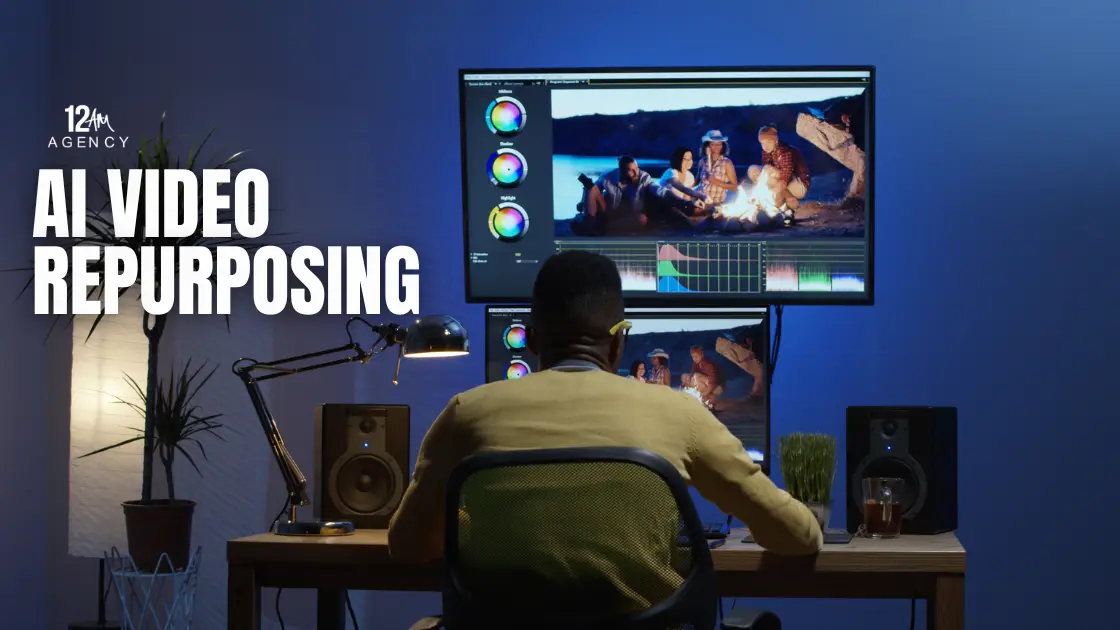
AI video repurposing converts one long-form recording into multiple short, channel-native videos by automating the slowest parts of post-production.
Three functions make the system work. Clip detection uses machine learning to surface moments with high information density, like hooks, objections, and outcomes. Stylization applies brand-safe captions, lower thirds, B-roll, and audio leveling to improve retention. Packaging exports 9:16 vertical, 1:1 square, and 16:9 horizontal variants per channel.

The principle is simple: AI accelerates, humans approve. You keep judgment over accuracy, tone, and compliance, and the machine handles repetitive editing tasks.
Why It Matters in 2026 for U.S. Local Brands
Local brands win when they answer specific questions fast, in vertical video that works with sound off.
Social feeds reward short, captioned, story-led video because it’s easy to consume and easy to share. Platforms also keep expanding short-video placement, which raises the cost of staying “long-form only.”
Generative AI is accelerating adoption. IAB’s 2025 Digital Video Ad Spend report notes that 86% of digital video ad buyers are using or planning to use generative AI, and expects GenAI to power around 40% of video ads by 2026.
For service brands, the implication is direct: you can publish more answers per week by converting FAQs into clips. You also meet prospects in micro-moments, like search, DMs, and shares, where decisions form.
3 Big Benefits of AI Video Repurosing
The payoff is speed, consistency, and more pipeline touchpoints without adding headcount.
Deloitte Digital’s 2023 research found marketers using generative AI save an average of 11.4 hours per week on content-related tasks. Here’s where that time turns into business value.
1. Speed-to-Publish
Compress post-production from days to hours. A Friday webinar becomes 10-plus branded clips scheduled by Monday. At the enterprise level, Klarna has cited major reductions in creative timelines and costs, showing what happens when automation meets a disciplined workflow.
2. Channel-Native Consistency
Package once per platform and repeat what works. A family law firm can run a “30-second myth bust” series with a consistent opener structure, font system, and safe-zone placement across Reels, Shorts, and TikTok. Consistency builds recognition before the logo appears.
3. Pipeline Impact
Short videos are built for micro-conversions, like “call,” “book,” or “DM.” An HVAC brand can add end-card overlays and UTM-tagged links to seasonal maintenance tips, then confirm impact through call tracking, booking software, and CRM notes.
Inputs That Repurpose Well
Choose source recordings with clear questions, concrete answers, and proof points so your clip yield stays high.
- Webinars and workshops: Q&A segments, objection handling, and live demos yield the most clips per minute.
- Podcast episodes: Hosted expertise translates well, but trim crosstalk and dead air before clipping.
- Service walkthroughs: Step-by-step processes and before-and-after sequences hold attention.
- Customer interviews and testimonials: Specific outcomes build trust faster than generic claims.
- Founder AMAs or office hours: Distinct point-of-view content competitors can’t copy.
- Sales or intake calls (with consent): Extract real objections after redacting PII (personally identifiable information) and any protected data.
The 7-Step Weekly Workflow
A weekly sprint keeps clip production predictable enough for a one- or two-person team.
This cadence assigns time targets so you can finish the full cycle in a single Monday when needed.
1. Plan (30 Minutes)

Design for clips before you record. Draft clear section headers every 60 to 90 seconds and add intentional hooks like “The 10-second rule for…” plus timestamped CTAs.
Define compliance flags for claims, pricing, and testimonials, and prepare a simple B-roll list per section.
2. Capture
Clean audio is non-negotiable. Record at 1080p minimum with dual-track audio and a lav mic on the primary speaker.
Frame for a 9:16 crop with headroom and a centered subject. Ask on-camera questions that naturally become hooks, like “Here’s how to know if insurance covers this.” Secure written consent for testimonials.
3. Ingest and Auto-Clip (45–60 Minutes)
Upload to your AI clipper and let it surface 10 to 20 candidate moments filtered by themes. Then do a human pass, reject filler, tighten openings, and group clips into series like myths, costs, eligibility, and timelines.
Create a brief for each clip, including hook copy, what proof you’ll show on-screen, and the specific CTA.
4. Style for Retention (6–10 Minutes per Clip)
Make the first frame immediately clear and the captions easy to read. Use animated captions in brand colors, and highlight key nouns in the first three seconds.
Add pattern interrupts, meaning small visual changes that reset attention, every three to five seconds using cutaways, zooms, screenshots, or B-roll. Normalize audio, remove filler words, and keep on-screen text inside safe zones, the areas not covered by platform UI.
5. Package by Platform
Export a primary 9:16 vertical version and create a 1:1 square cut for LinkedIn feed when needed. Use a consistent filename schema, like date, topic, clip number, hook, and platform.
Burn in a subtle brand mark and add required footers. For YouTube Shorts, remember that clips longer than one minute can’t add music via the in-app audio picker due to licensing limits.
6. Schedule and Distribute (30–45 Minutes)
Publish in clusters so viewers can binge. Turn one topic into a three- to five-part series posted at consistent time slots.
Use platform-native CTAs, like “comment a keyword for the checklist” or “DM ‘quote’ for pricing ranges.” For local brands, add geo terms in captions and hashtags, and organize Shorts playlists by service line.
7. Measure and Iterate (Weekly)
Retention tells you whether the hook works, and conversions pay the bills. Track leading indicators, like average watch time, three-second holds, 50% view-through, saves, DMs, and profile visits.
Track outcomes using UTMs, call tracking, form submissions, and assisted conversions. Apply a kill-or-scale rule: if a clip misses your three-second hold benchmark twice, re-cut the first two seconds. If saves and DMs are strong, ship a sequel.
Build Your AI Video Stack
Your tool stack should optimize for accurate captions, fast exports, and review control, not flashy effects.
A practical stack covers five categories: a clip finder for highlight detection, a caption tool with brand templates, B-roll or stock assist, voice cleanup and music bed tools, and a scheduler for publishing.